English

Mobile:+86-311-808-126-83
Email:info@ydcastings.com
English
water pump motor car
The Role of Water Pump Motors in Automotive Systems
In the automotive world, various components work in harmony to ensure that vehicles operate efficiently and reliably. One such crucial component is the water pump motor, which plays a fundamental role in the engine cooling system. This article delves into the functionality of water pump motors in cars, their significance, types, and advancements in technology.
Understanding the Water Pump Motor
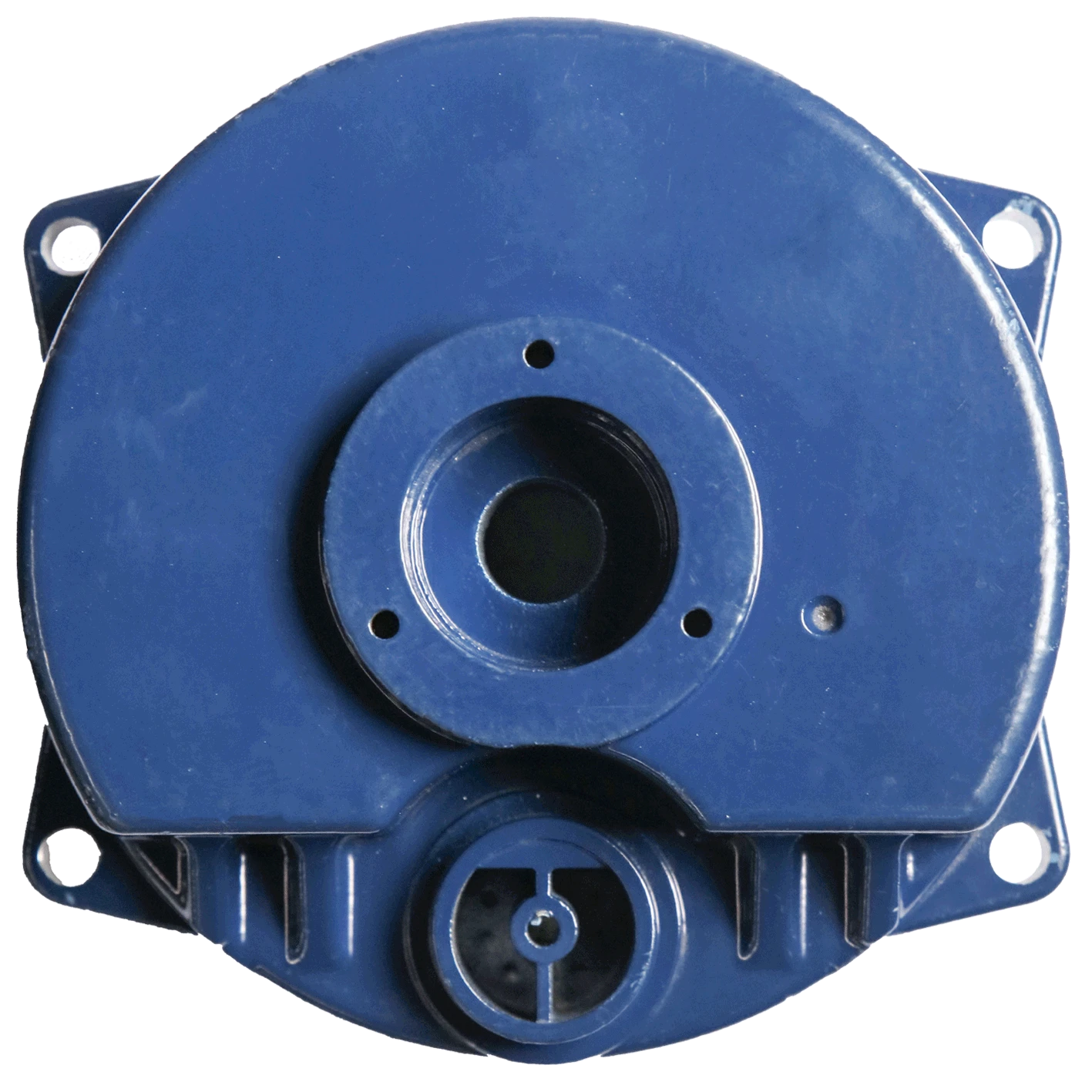
The water pump motor is responsible for circulating coolant throughout the engine and the radiator. This circulation is essential for regulating the engine's temperature, as excessive heat can lead to severe engine damage. The design of a water pump motor typically includes an electric motor connected to a pump which draws coolant from the radiator and pushes it through the engine block, helping to absorb heat from the engine components.
Importance of the Water Pump Motor
The proper functioning of the water pump motor is crucial for several reasons
1. Engine Temperature Regulation Maintaining an optimal engine temperature is vital for performance and efficiency. A malfunctioning water pump motor can lead to overheating, potentially causing catastrophic engine failure.
2. Fuel Efficiency An engine that operates at the correct temperature utilizes fuel more efficiently. If the engine runs too hot or too cold, it can result in increased fuel consumption.
3. Environmental Impact Efficient management of engine temperature also helps in minimizing emissions, as engines operating at optimal temperatures produce fewer pollutants.
4. Longevity of Engine Components By ensuring consistent and effective cooling, water pump motors help prolong the lifespan of various engine components, including gaskets and pistons, reducing the risk of wear and tear.
Types of Water Pump Motors
water pump motor car
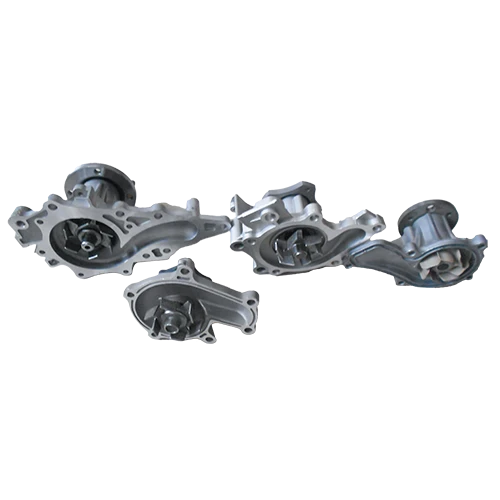
There are generally two types of water pump motors used in vehicles
1. Mechanical Water Pumps Traditionally, mechanical water pumps are driven by the engine’s serpentine belt. This type of water pump operates as long as the engine is running. While reliable, they come with the drawback of being inefficient at lower RPMs since they run at a constant speed regardless of cooling demand.
2. Electric Water Pumps Increasingly common in modern vehicles, electric water pumps offer several advantages over mechanical ones. They can be controlled electronically, allowing for variable speed operation, which means they only run when needed. This enhances efficiency, especially in stop-and-go traffic or under low-load conditions. Moreover, electric water pumps contribute to reduced engine load, which can improve fuel economy.
Advancements in Technology
The automotive industry is continually evolving, and water pump motors are no exception. Recent advancements include
- Smart Cooling Systems Integrating sensors and electronic control units (ECUs), intelligent cooling systems can better monitor and manage engine temperatures, ensuring optimal performance based on real-time data.
- Improved Materials Modern water pump motors often use advanced materials, such as composite plastics and ceramics, which enhance durability and reduce weight.
- Integration with Hybrid and Electric Vehicles As the shift towards electric and hybrid vehicles continues, water pump motors are adapting to new power sources and configurations. Electric water pumps are particularly advantageous in these vehicles since they can operate independently from the mechanical engine.
Conclusion
The water pump motor is a vital component of a vehicle's cooling system, significantly impacting engine performance, efficiency, and longevity. As technological advancements continue to shape the automotive industry, the evolution of water pump motors reflects the trend toward smarter, more efficient systems. Whether in a traditional combustion engine or a cutting-edge electric vehicle, the importance of reliable water pump motors cannot be overstated. Ensuring that this component function correctly is essential for any vehicle owner who wishes to maintain their vehicle in peak condition, optimize fuel efficiency, and minimize environmental impact. As technology progresses, we can expect even greater innovation in this essential automotive component, ultimately enhancing our driving experience and the performance of our vehicles.
-
Precision Valve Castings for Agricultural Irrigation and Fluid Control SystemsNewsMay.08,2026
-
Precision Impeller and Compressor Components for Agricultural MachineryNewsMay.08,2026
-
Essential Cast Components for Agricultural Machinery: Oil Management and Motor ProtectionNewsMay.08,2026
-
High-Performance Cast Components for Agricultural Machinery: From Cooling to Exhaust SystemsNewsMay.08,2026
-
Agricultural Valve Castings: Durable Flow Control Solutions for Farm Irrigation SystemsNewsMay.08,2026
-
High-Performance Agricultural Pump Components: Precision Castings for Reliable Farm OperationsNewsMay.08,2026