English

Mobile:+86-311-8081-2683
Email:info@ydcastings.com
English
water pump electric car
The Integration of Water Pump Technology in Electric Cars
In recent years, the automotive industry has witnessed a monumental shift towards electric vehicles (EVs), driven by the need for sustainability and reduced carbon emissions. As EV technology continues to evolve, innovative solutions are being incorporated to enhance efficiency and performance. One such advancement is the integration of water pump technology, which plays a crucial role in optimizing cooling systems for electric cars.
Electric vehicles operate differently than traditional internal combustion engine vehicles. Instead of relying on gasoline and complex engine cooling systems, EVs utilize electric motors and advanced battery systems. These components generate significant heat during operation, necessitating reliable cooling mechanisms to prevent overheating and ensure optimal performance. This is where water pump technology comes into play.
The Integration of Water Pump Technology in Electric Cars
Moreover, the integration of water pump technology is not limited to mere cooling; it can also contribute to the overall energy efficiency of electric vehicles. Traditional water pumps can be energy-intensive, which may counteract the benefits of electric propulsion. However, modern water pump systems can be designed to be lightweight and energy-efficient, significantly reducing the overall energy consumption of the vehicle. For instance, employing variable-speed pumps allows the system to adjust flow rates based on real-time temperature data, optimizing energy use and improving efficiency.
water pump electric car
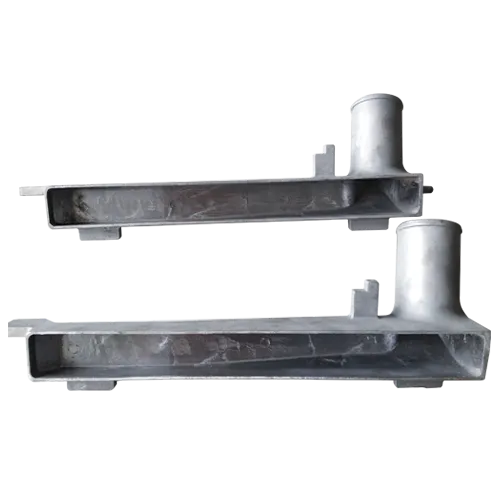
An exciting development in this arena is the potential for regenerative cooling systems. Researchers are exploring methods to harness waste heat from the vehicle’s components, using it to pre-heat the coolant or even assist in battery heating during cold weather. This approach not only enhances efficiency but also adds to the vehicle's range, a critical factor for consumer acceptance of electric vehicles.
In addition to improving performance, integrating water pump technology in electric cars can also provide environmental benefits. By optimizing cooling systems, it can reduce the need for harmful refrigerants traditionally used in cooling applications. This shift is aligned with the broader goals of reducing greenhouse gas emissions and mitigating climate change effects. Moreover, water pumps can be paired with renewable energy sources, such as solar panels installed on the vehicle, further contributing to the sustainability of electric cars.
The versatility of water pump technology extends beyond the mechanics of the vehicle. Innovative manufacturers are exploring the use of advanced materials to create more durable and efficient pumps. For instance, the recent developments in polymer and composite materials promise to reduce weight, improve corrosion resistance, and enhance thermal conductivity. These advancements can lead to better overall performance and reduced manufacturing costs, making electric vehicles more accessible to the average consumer.
In conclusion, the incorporation of water pump technology in electric cars exemplifies the industry's commitment to innovation and sustainability. As electric vehicles become increasingly prevalent, the need for efficient cooling solutions will only grow. Water pumps represent a crucial piece of this technological puzzle, enabling electric vehicles to operate efficiently, safely, and with minimal environmental impact. As manufacturers continue to explore new designs and materials, we can expect further advancements that will solidify electric cars as a leading choice for consumers around the globe. Ultimately, this synergy of technology and sustainability will pave the way for a cleaner, more efficient future in the automotive industry.
-
Choosing an Engine Storage Crate Cover for Material and EnvironmentNewsNov.23,2026
-
Cylinder Head Chamber Buyers: Check the Casting Specification FirstNewsNov.17,2026
-
How Impeller Casting Manufacturers Match Material, Process and EquipmentNewsNov.15,2026
-
Valve body vs. intake air chamber: Which casting fits your assembly?NewsNov.02,2026
-
Air Intake Chamber FAQ: Specifications, Ordering and Support QuestionsNewsOct.28,2026
-
Motorcycle Accessories FAQ: Specifications, Ordering and Support QuestionsNewsOct.24,2026










