English

Mobile:+86-311-8081-2683
Email:info@ydcastings.com
English
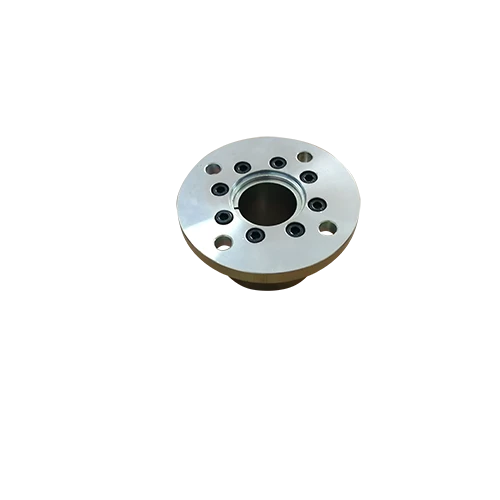
water pump casing
Understanding Water Pump Casings A Critical Component of Fluid Mechanics
Water pump casings are often overlooked components that play a vital role in the functionality and efficiency of fluid pumping systems. These casings serve as protective housings for the various elements of a pump, ensuring optimal performance and longevity in diverse applications, from residential water supply systems to industrial machinery.
The Role of Water Pump Casings
At its core, the primary function of a water pump casing is to contain the fluid being pumped while providing support and alignment for the internal components of the pump, such as the impeller and the motor. The design of the casing significantly influences the performance characteristics of the pump, affecting factors such as flow rate, pressure, and energy efficiency.
Water pump casings are typically designed to withstand high pressures and temperatures, especially in industrial applications where the demands are more rigorous. Engineers must consider the type of fluid being pumped, including its viscosity, temperature, and potential corrosiveness, when designing and selecting materials for the casing.
Material Selection
Material choice for pump casings is crucial for ensuring durability and resistance to environmental factors. Common materials used in the construction of water pump casings include cast iron, stainless steel, bronze, and various types of plastics. Each material has its own advantages and disadvantages
1. Cast Iron Known for its strength and wear resistance, cast iron is often used for larger pumps. It can withstand high pressures and is cost-effective, making it a popular choice for municipal water systems.
2. Stainless Steel Ideal for corrosive environments, stainless steel casings offer excellent resistance to rust and chemical damage. This makes them suitable for applications in food and beverage industries, as well as in chemical processing.
3. Bronze With good corrosion resistance and mechanical properties, bronze is used in applications where the pump is exposed to seawater or brackish water.
4. Plastics Lightweight and corrosion-resistant, plastic casings are often used in small, less demanding pumps. They are cost-effective and easy to mold into complex shapes.
water pump casing
Design Considerations
The design of a water pump casing involves a deep understanding of fluid dynamics and mechanical engineering
. Key design considerations include- Hydraulic Efficiency The internal shape of the casing can determine how efficiently the fluid flows through the pump. An aerodynamically designed casing minimizes turbulence and energy loss.
- Accessibility Maintenance is vital for pump longevity. Casings need to allow easy access for repairs or replacements of internal components without extensive disassembly.
- Vibration and Noise Pump casings should be designed to minimize vibration and noise, which can affect overall performance and user comfort.
Applications and Importance
Water pump casings are essential in a wide range of applications. In agriculture, they facilitate irrigation systems by pumping groundwater to the surface. In residential settings, they are integral to water wells and domestic water supply systems. Industrially, pump casings ensure that fluids are moved efficiently in processes like cooling, heating, and chemical manufacturing.
The importance of a well-designed and constructed water pump casing cannot be overstated. Poorly designed casings can lead to inefficiencies, increased energy use, and premature pump failure, leading to costly downtimes and repairs.
Conclusion
In summary, water pump casings are indispensable components in fluid management systems across various sectors. Their design, material selection, and function directly impact the efficiency and reliability of pumps. As technologies advance and the demand for sustainable solutions grows, the importance of optimizing water pump casings becomes increasingly clear. Understanding the intricacies involved in their design and application is essential for engineers and manufacturers aiming to enhance pump performance and longevity in an ever-evolving market.
-
Choosing an Engine Storage Crate Cover for Material and EnvironmentNewsNov.23,2026
-
Cylinder Head Chamber Buyers: Check the Casting Specification FirstNewsNov.17,2026
-
How Impeller Casting Manufacturers Match Material, Process and EquipmentNewsNov.15,2026
-
Valve body vs. intake air chamber: Which casting fits your assembly?NewsNov.02,2026
-
Air Intake Chamber FAQ: Specifications, Ordering and Support QuestionsNewsOct.28,2026
-
Motorcycle Accessories FAQ: Specifications, Ordering and Support QuestionsNewsOct.24,2026










