English

Mobile:+86-311-8081-2683
Email:info@ydcastings.com
English
Feb . 16, 2025 07:10
Back to list
cap for pipe end
When embarking on any project involving water systems—whether it's irrigation for agriculture, home plumbing, or a complex industrial setup—the choice of components is vital. Among these components, one of the unsung heroes ensuring the system's integrity and functionality is the water pipe end stopper. While it might seem a minor element, its role is critical, and understanding its use and significance can spell the difference between a well-functioning system and a cascade of issues.
From an authoritative perspective, regulations sometimes dictate end stopper materials and installations. Industry standards, such as those from ASTM or ISO, are pivotal in specifying the dimensions, pressure ratings, and material certifications required. Compliance not only ensures the stopper will operate effectively under the specified conditions but also enhances trustworthiness as it aligns with safety and quality benchmarks. For professionals specifying components, understanding these standards can reassure clients of the longevity and reliability of their water systems. Moreover, the trustworthy nature of water pipe end stoppers is not solely dependent on their construction but also on their correct application. Even the finest components can falter if improperly installed. Here, authoritative installation guides and tutorials play a critical role. Comprehensive documentation or professional training can equip installers with the knowledge to avoid common pitfalls, such as over-tightening or failing to account for environmental factors that could affect the stopper’s performance. In professional circles, client testimonials and case studies further solidify the trust in a product's efficiency and reliability. Evidence from diverse real-world applications—be it a sustainable urban housing project or a vast agricultural irrigation network—demonstrates the successful application of quality end stoppers in challenging conditions. For instance, a case study showcasing the use of reinforced steel end stoppers in a high-pressure industrial setting can provide invaluable insights and build confidence among potential users and specifiers. In summary, water pipe end stoppers are not mere afterthoughts; they are crucial components necessitating an informed choice. The intersection of experience and expertise is essential to select the right stopper tailored to specific environmental and operational demands. Leveraging authoritative standards and trustworthy installation practices ensures these stoppers function reliably, affirming their role as vital cogs in efficient and resilient water management systems.
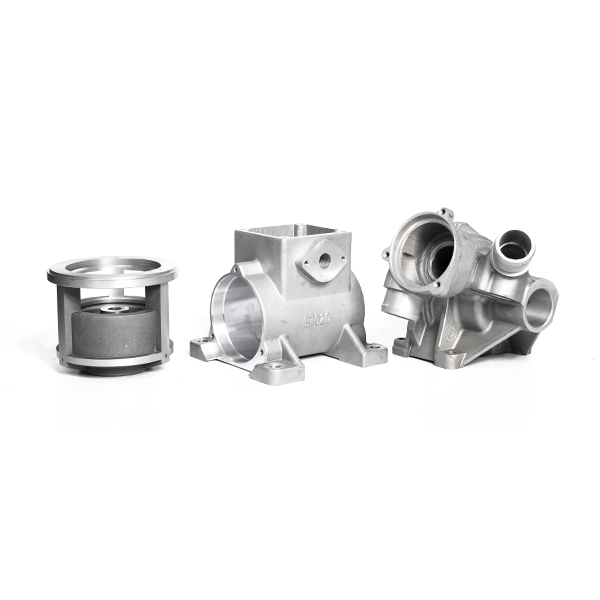
From an authoritative perspective, regulations sometimes dictate end stopper materials and installations. Industry standards, such as those from ASTM or ISO, are pivotal in specifying the dimensions, pressure ratings, and material certifications required. Compliance not only ensures the stopper will operate effectively under the specified conditions but also enhances trustworthiness as it aligns with safety and quality benchmarks. For professionals specifying components, understanding these standards can reassure clients of the longevity and reliability of their water systems. Moreover, the trustworthy nature of water pipe end stoppers is not solely dependent on their construction but also on their correct application. Even the finest components can falter if improperly installed. Here, authoritative installation guides and tutorials play a critical role. Comprehensive documentation or professional training can equip installers with the knowledge to avoid common pitfalls, such as over-tightening or failing to account for environmental factors that could affect the stopper’s performance. In professional circles, client testimonials and case studies further solidify the trust in a product's efficiency and reliability. Evidence from diverse real-world applications—be it a sustainable urban housing project or a vast agricultural irrigation network—demonstrates the successful application of quality end stoppers in challenging conditions. For instance, a case study showcasing the use of reinforced steel end stoppers in a high-pressure industrial setting can provide invaluable insights and build confidence among potential users and specifiers. In summary, water pipe end stoppers are not mere afterthoughts; they are crucial components necessitating an informed choice. The intersection of experience and expertise is essential to select the right stopper tailored to specific environmental and operational demands. Leveraging authoritative standards and trustworthy installation practices ensures these stoppers function reliably, affirming their role as vital cogs in efficient and resilient water management systems.
Next:
Latest news
-
Choosing an Engine Storage Crate Cover for Material and EnvironmentNewsNov.23,2026
-
Cylinder Head Chamber Buyers: Check the Casting Specification FirstNewsNov.17,2026
-
How Impeller Casting Manufacturers Match Material, Process and EquipmentNewsNov.15,2026
-
Valve body vs. intake air chamber: Which casting fits your assembly?NewsNov.02,2026
-
Air Intake Chamber FAQ: Specifications, Ordering and Support QuestionsNewsOct.28,2026
-
Motorcycle Accessories FAQ: Specifications, Ordering and Support QuestionsNewsOct.24,2026
Related PRODUCTS










