English

Mobile:+86-311-8081-2683
Email:info@ydcastings.com
English
Feb . 03, 2025 02:37
Back to list
cap for pipe end
Choosing the right water pipe cap end is crucial for ensuring the efficiency and safety of any plumbing system, whether it is for residential, commercial, or industrial use. It's a component that might seem trivial at first glance, but its role in maintaining the integrity of a piping system cannot be overstated. This article delves into the intricacies of water pipe cap ends, providing valuable insights drawn from industry experience and expertise, enhancing your understanding and trust in these essential components.
Anecdotal evidence from plumbing experts underscores the value of investing in quality components. A seasoned contractor recounts an incident where a low-cost, substandard cap end led to system failure, incurring both repair costs and downtime. This highlights the long-term benefits of choosing high-quality, reliable cap ends from reputable manufacturers. Authoritative industry resources further advocate for considering the environmental factors that the piping system will be exposed to. This includes aspects such as UV exposure, chemical interactions, and temperature fluctuations, all of which can influence material choice. Expert sources often recommend conducting a thorough analysis of these conditions during the planning phase to mitigate risk and enhance system longevity. In addition to material and fit, installation practices are critical for achieving optimal performance. Trustworthy documentation and guides from leading manufacturers provide step-by-step instructions to ensure proper installation. Utilizing appropriate tools and techniques, such as torque wrenches for threaded caps or primer for solvent weld caps, enhances security and effectiveness, reflecting a high degree of professionalism and care. Maintenance and inspection routines should not be overlooked. Experienced professionals advocate for regular checks to ensure cap integrity, especially in high-usage or high-pressure environments. Over time, environmental wear can compromise even the most robust of materials, making periodic inspections a component of responsible system management. The nuanced understanding of water pipe cap ends—rooted in both practical experience and theoretical expertise—culminates in a deeper appreciation for their role in plumbing systems. This insight encourages prudent selection, meticulous installation, and diligent maintenance practices, fostering reliability and trust in both the product and the professionals who utilize it. By adhering to these principles, contractors, engineers, and homeowners alike can ensure that their water systems remain robust and leak-free for years to come.
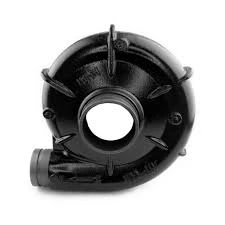
Anecdotal evidence from plumbing experts underscores the value of investing in quality components. A seasoned contractor recounts an incident where a low-cost, substandard cap end led to system failure, incurring both repair costs and downtime. This highlights the long-term benefits of choosing high-quality, reliable cap ends from reputable manufacturers. Authoritative industry resources further advocate for considering the environmental factors that the piping system will be exposed to. This includes aspects such as UV exposure, chemical interactions, and temperature fluctuations, all of which can influence material choice. Expert sources often recommend conducting a thorough analysis of these conditions during the planning phase to mitigate risk and enhance system longevity. In addition to material and fit, installation practices are critical for achieving optimal performance. Trustworthy documentation and guides from leading manufacturers provide step-by-step instructions to ensure proper installation. Utilizing appropriate tools and techniques, such as torque wrenches for threaded caps or primer for solvent weld caps, enhances security and effectiveness, reflecting a high degree of professionalism and care. Maintenance and inspection routines should not be overlooked. Experienced professionals advocate for regular checks to ensure cap integrity, especially in high-usage or high-pressure environments. Over time, environmental wear can compromise even the most robust of materials, making periodic inspections a component of responsible system management. The nuanced understanding of water pipe cap ends—rooted in both practical experience and theoretical expertise—culminates in a deeper appreciation for their role in plumbing systems. This insight encourages prudent selection, meticulous installation, and diligent maintenance practices, fostering reliability and trust in both the product and the professionals who utilize it. By adhering to these principles, contractors, engineers, and homeowners alike can ensure that their water systems remain robust and leak-free for years to come.
Latest news
-
Choosing an Engine Storage Crate Cover for Material and EnvironmentNewsNov.23,2026
-
Cylinder Head Chamber Buyers: Check the Casting Specification FirstNewsNov.17,2026
-
How Impeller Casting Manufacturers Match Material, Process and EquipmentNewsNov.15,2026
-
Valve body vs. intake air chamber: Which casting fits your assembly?NewsNov.02,2026
-
Air Intake Chamber FAQ: Specifications, Ordering and Support QuestionsNewsOct.28,2026
-
Motorcycle Accessories FAQ: Specifications, Ordering and Support QuestionsNewsOct.24,2026
Related PRODUCTS










