English

Mobile:+86-311-8081-2683
Email:info@ydcastings.com
English
Exploring the Significance of Water End Caps in Environmental Sustainability and Resource Management
Understanding Water End Caps A Vital Component in Fluid Management
In the world of fluid management and storage, water end caps play a crucial yet often overlooked role. These specialized components serve as the termination point for pipes, tanks, and various fluid transport systems, ensuring efficiency, safety, and functionality. Understanding the importance and application of water end caps can provide valuable insights into their significance within multiple industries.
What are Water End Caps?
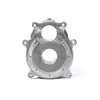
Water end caps are fittings that are used to seal the ends of a pipe or tube. They are designed to ensure that liquid—particularly water—does not escape from the system, which can lead to loss, contamination, or risk of damage. End caps can be made from various materials such as plastic, metal, or rubber, depending on the specific application and environmental conditions.
Importance in Water Supply Systems
In municipal water supply systems, water end caps are essential for maintaining the integrity of water pressure and flow. They prevent leaks that can lead to significant water loss, affecting supply efficiency and increasing operational costs. Furthermore, by preventing contaminants from entering the system, end caps help maintain the quality of drinking water, which is crucial for public health.
Applications in Different Industries
The use of water end caps extends beyond municipal systems. In construction, these caps are employed in plumbing systems, ensuring that water runs effectively through pipes without any leakage. In chemical manufacturing, end caps protect various substances during transport, preventing them from escaping and ensuring the safety of workers.
In agriculture, water end caps can be found in irrigation systems where they help maintain pressure and direct the flow of water to crops
. Without proper caps, irrigation systems could suffer from inefficiencies, leading to overwatering or underwatering, ultimately affecting crop yield.water end cap
Material Choices and Considerations
When selecting water end caps, several material options are available. Each material has distinct properties that make it more or less suitable for particular applications. For instance, PVC end caps are lightweight, resistant to corrosion, and commonly used in residential plumbing. On the other hand, stainless steel end caps provide superior strength and durability, making them ideal for industrial applications.
It’s also essential to consider the compatibility of the end cap with the medium being transported. For example, if the fluid contains chemicals, the end cap material must resist chemical degradation to prevent failure.
Installation and Maintenance
Proper installation of water end caps is crucial to ensure optimal performance. It is always advisable to follow manufacturer guidelines and consult industry standards during the installation process. Regular inspections should also be conducted to identify any potential issues early on. Over time, wear and tear can lead to compromised seals, and addressing these issues promptly can prevent leaks and other complications.
Innovations in Water End Cap Technology
As technology continues to advance, so do the designs and functionalities of water end caps. Innovations such as integrated flow sensors and smart monitoring systems are being incorporated into end caps, providing real-time data about water flow and pressure. These technological advancements aid in better management of fluid systems, making them more efficient and reducing water waste.
Conclusion
Water end caps may be small components, but their impact on fluid management and safety cannot be understated. Their role in ensuring the efficiency of water systems across various industries highlights their importance. As we continue to innovate and improve our approaches to water management, water end caps will undoubtedly remain a focal point in maintaining the integrity and reliability of our fluid transport systems. Understanding their features, applications, and the technology behind them will empower us to utilize these critical components to their fullest potential.
-
Choosing an Engine Storage Crate Cover for Material and EnvironmentNewsNov.23,2026
-
Cylinder Head Chamber Buyers: Check the Casting Specification FirstNewsNov.17,2026
-
How Impeller Casting Manufacturers Match Material, Process and EquipmentNewsNov.15,2026
-
Valve body vs. intake air chamber: Which casting fits your assembly?NewsNov.02,2026
-
Air Intake Chamber FAQ: Specifications, Ordering and Support QuestionsNewsOct.28,2026
-
Motorcycle Accessories FAQ: Specifications, Ordering and Support QuestionsNewsOct.24,2026










