English

Mobile:+86-311-808-126-83
Email:info@ydcastings.com
English
Water Cooled Turbine Housing: Enhancing Turbine Efficiency & Sustainability Globally
Understanding Water Cooled Turbine Housing: Enhancing Efficiency and Sustainability
Water cooled turbine housing may sound highly specialized at first, but its global importance cannot be overstated — especially as industries seek sustainable, efficient energy production methods. Essentially, this technology keeps turbine components cool by circulating water through a housing system, preventing overheating and preserving performance. As a result, it plays a critical role in power generation facilities worldwide, aligning with sustainability goals, improving reliability, and extending equipment lifespan.
Introduction: The Global Relevance of Water Cooled Turbine Housing
In today’s rapidly evolving energy landscape, turbine systems are everywhere — from massive power plants to smaller industrial setups. According to the International Energy Agency (IEA), global electricity demand is expected to grow 2.1% annually through 2025, meaning turbine efficiency improvements have a significant impact on energy output and emissions. However, turbines generate enormous heat during operation, making effective cooling systems, like water cooled turbine housing, not a luxury but a necessity.
Water cooled turbine housing addresses a persistent challenge: the risk of thermal stress and material degradation in turbines. This technology helps maintain optimal temperatures under tough conditions, which is vital to reducing downtime and maintenance costs — something every plant operator values greatly.
Defining Water Cooled Turbine Housing
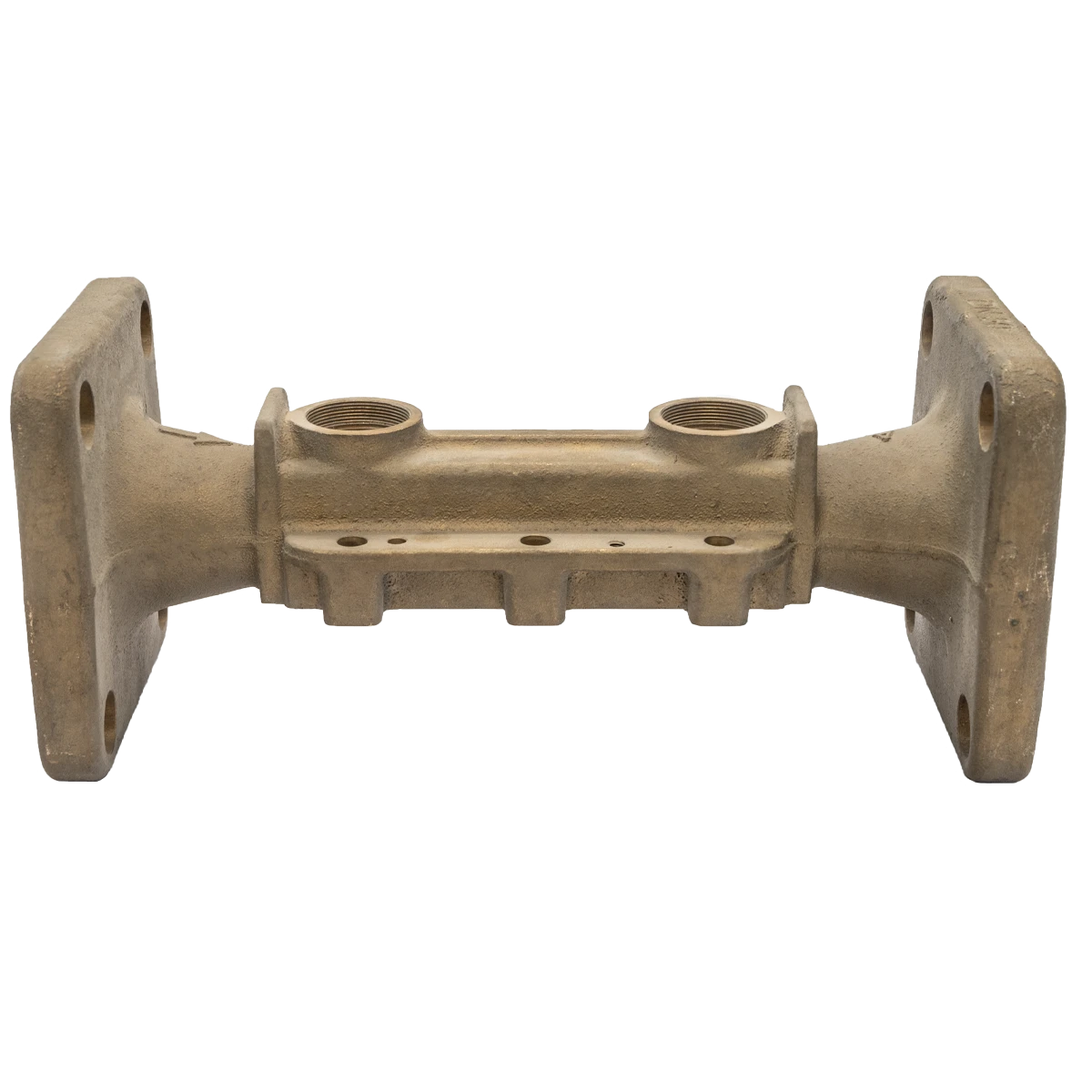
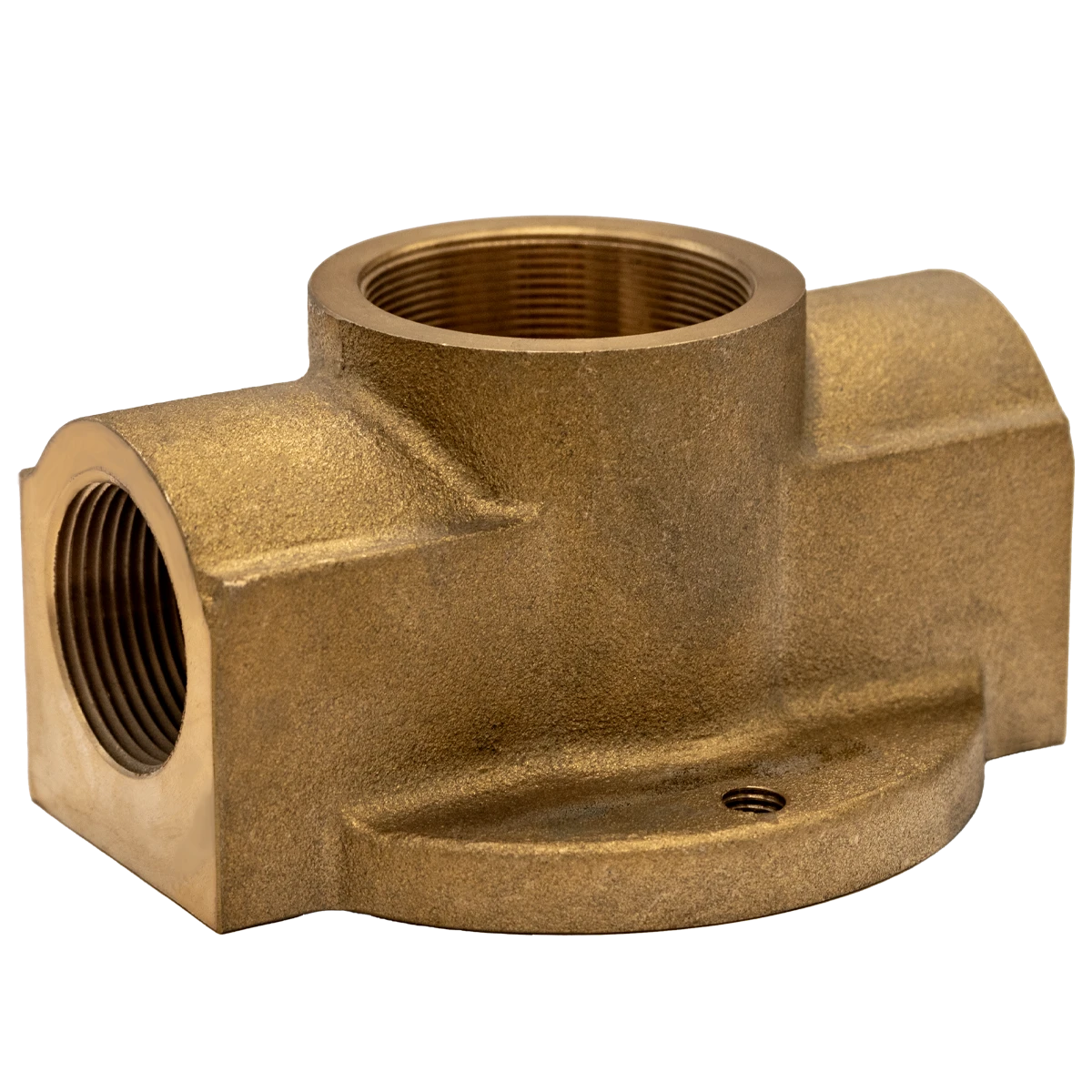
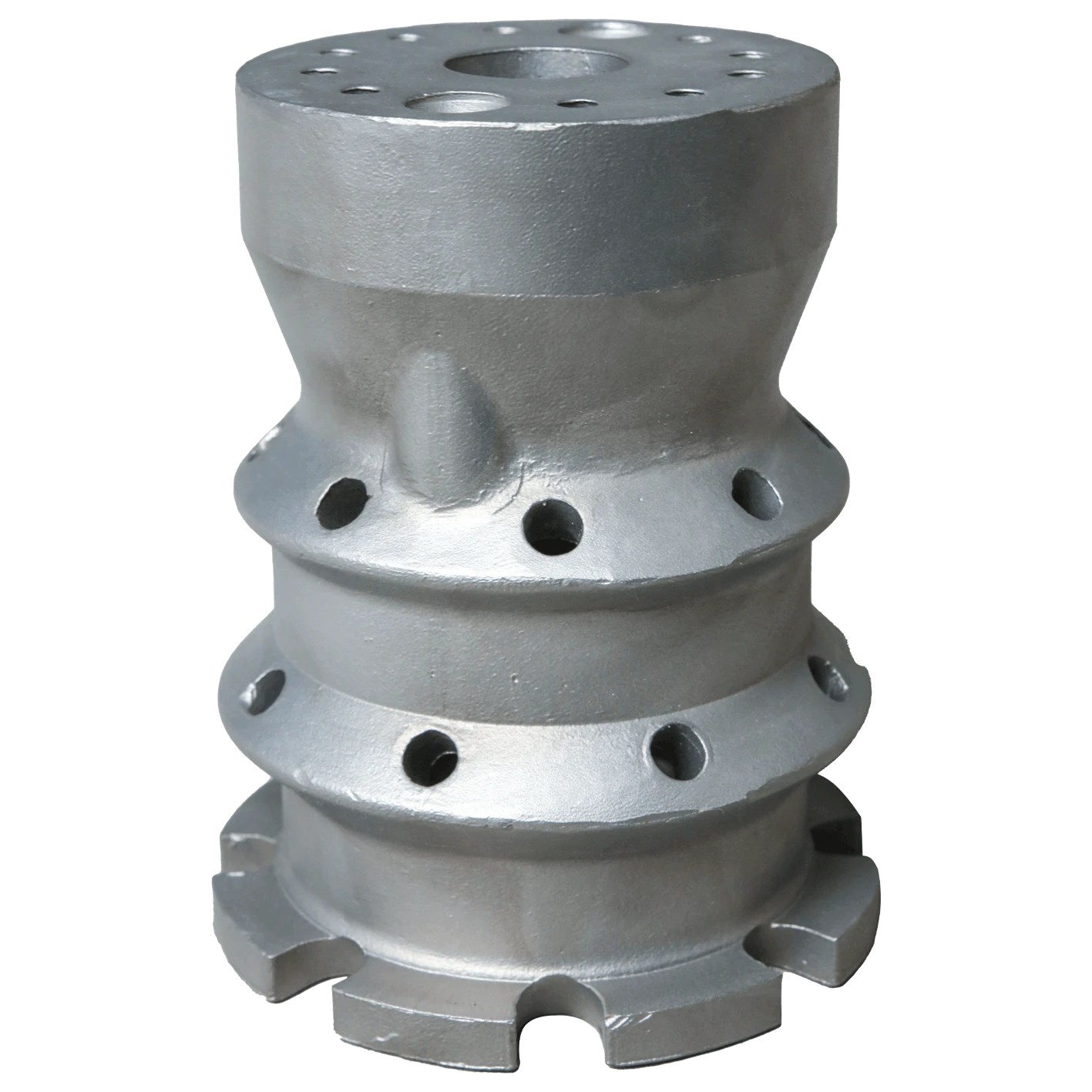
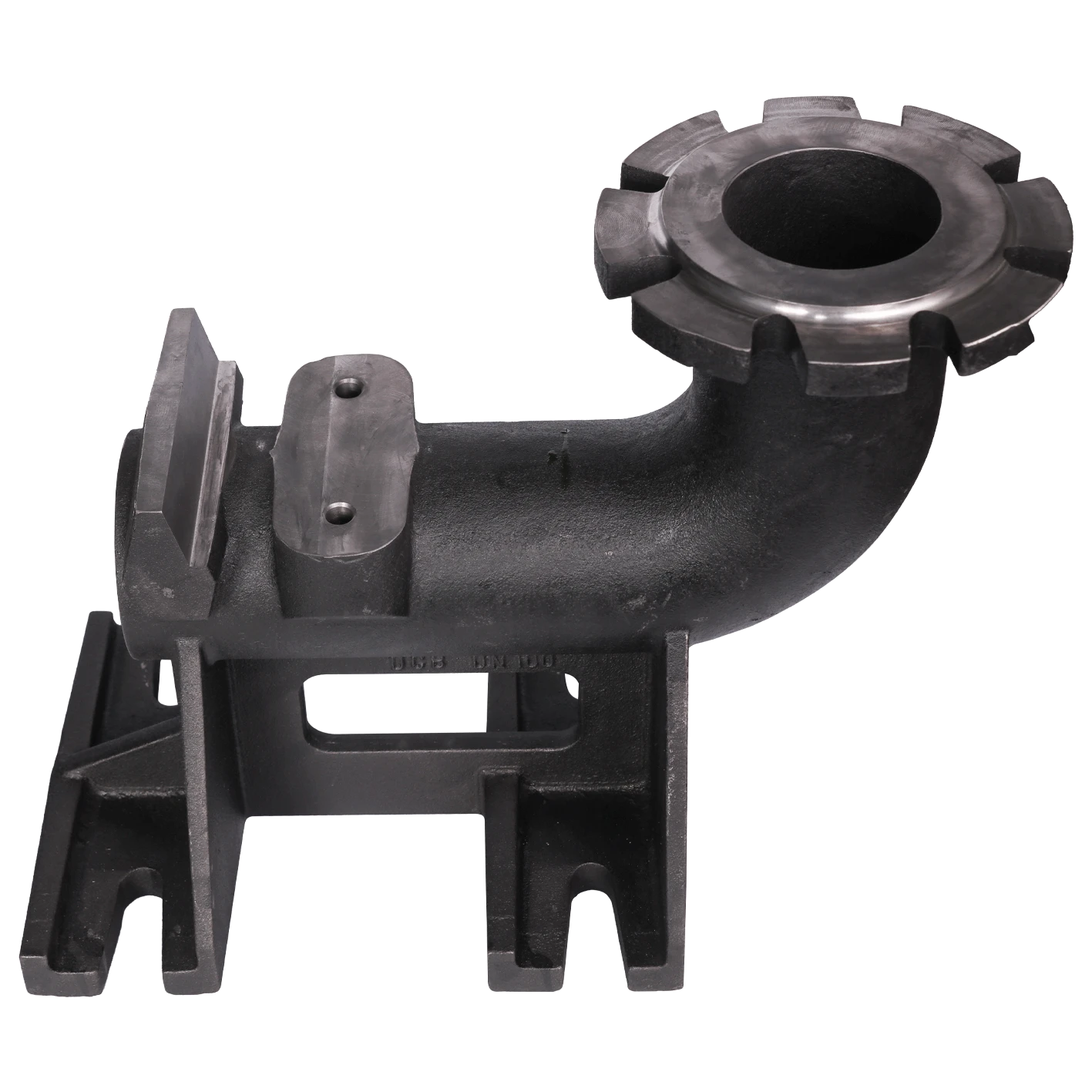
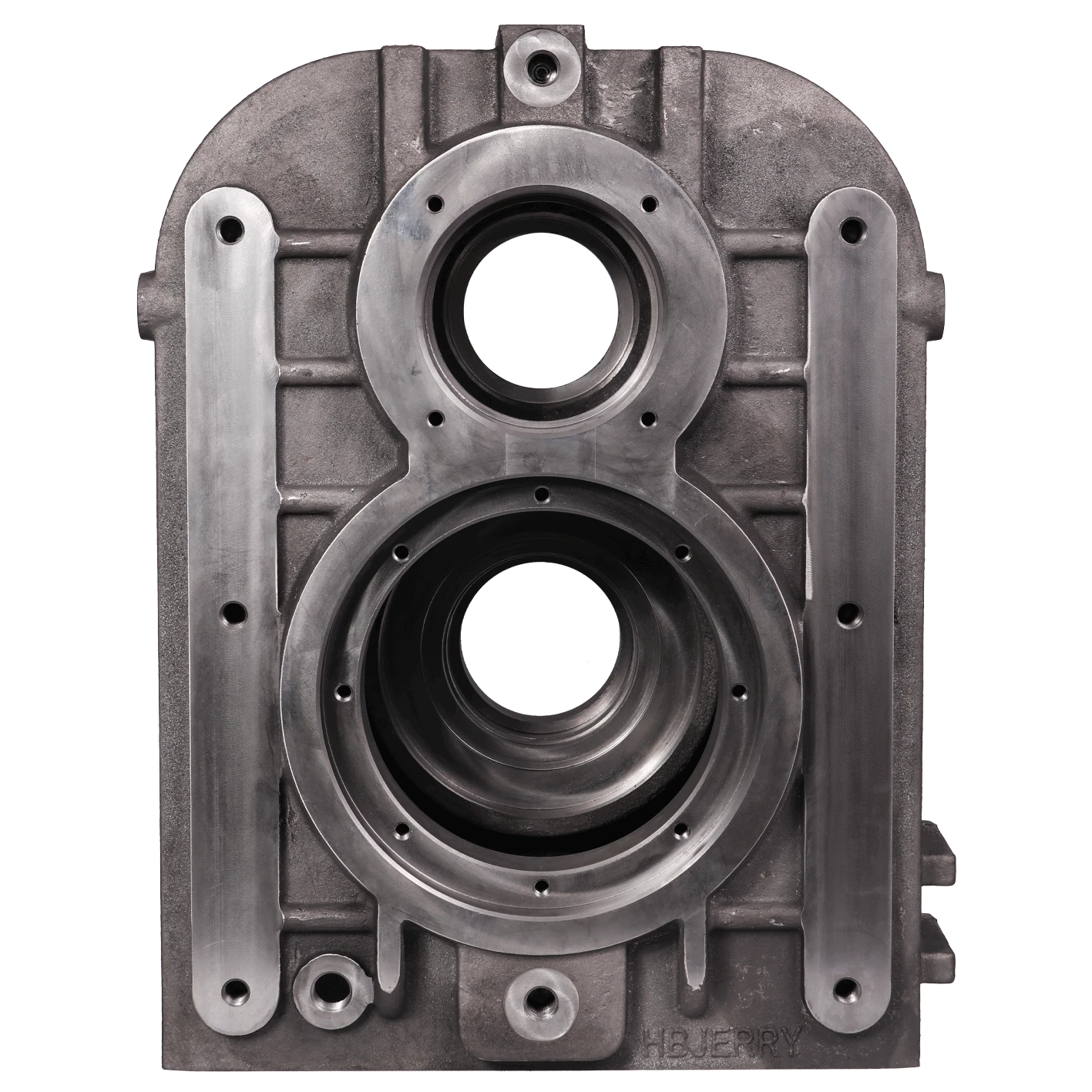
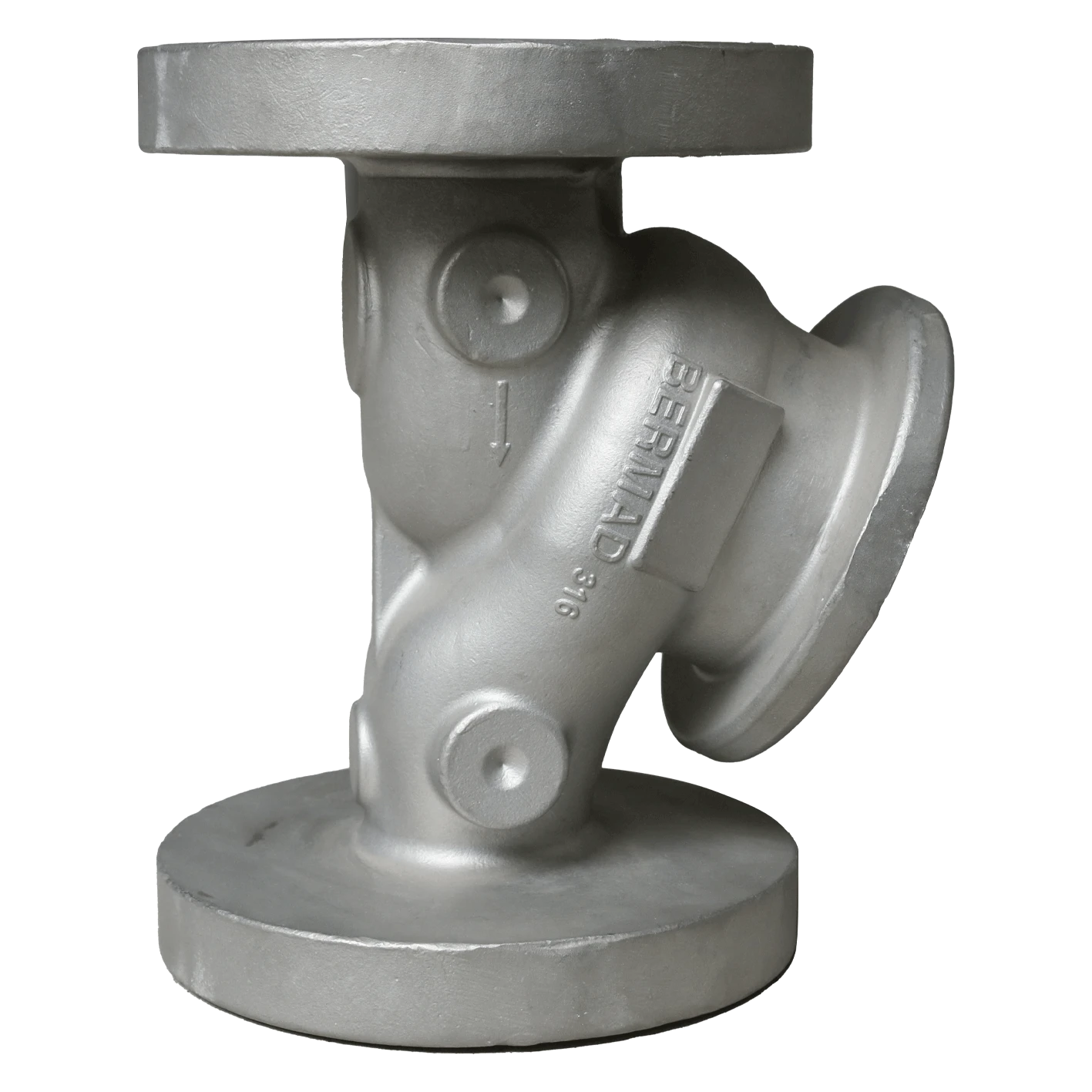
At its core, water cooled turbine housing is a specially designed enclosure for turbine rotors and other heat-prone parts that incorporates a system of water channels or jackets. As turbine components spin and produce heat, water circulates through these channels to absorb and dissipate heat away efficiently. Unlike air cooling, water cooling offers higher thermal capacity, meaning it can handle more heat in a compact space.
From a broader perspective, this technology isn’t only about machinery but also plays into global energy sustainability. Reliable cooling enables turbines to operate at higher capacities for longer periods, indirectly supporting cleaner energy initiatives and reducing fuel waste.
Key Factors Driving Water Cooled Turbine Housing Efficiency
1. Durability Under Extreme Conditions
These housings are built from high-grade alloys and castings that resist corrosion and thermal fatigue, essential when dealing with continuous water exposure and high temperatures.
2. Thermal Performance and Efficiency
Optimized water flow design within the housing ensures even cooling and prevents hotspots that could cause deformation or failure.
3. Scalability for Different Turbine Sizes
Whether for small industrial turbines or large power plant units, water cooled housings are adaptable and customized to meet various specifications.
4. Cost Efficiency in Maintenance
Reducing overheating lowers wear and tear, reducing repair frequency and prolonging intervals between shutdowns.
5. Environmental Sustainability
Since water cooling can reduce energy loss, it helps minimize the carbon footprint of turbine operations.
Product Specification Table: Typical Water Cooled Turbine Housing
| Specification | Details |
|---|---|
| Material | Cast steel alloy with corrosion-resistant coating |
| Cooling Medium | Closed-loop water circulation system |
| Operating Temperature | Up to 1200°F (650°C) |
| Typical Weight | Between 500 and 2000 kg depending on size |
| Customizability | High (design tailored to turbine specifics) |
Global Applications & Use Cases
Water cooled turbine housing systems have found significant traction across various regions and industries — especially where reliable energy is mission-critical. For example:
- Power plants in Europe and North America use these housings to optimize combined cycle gas turbines, enhancing electrical output and reducing carbon emissions.
- In Asia's expanding industrial zones, water cooled housings improve the performance of turbines powering factories and infrastructure projects.
- Disaster relief operations in remote areas employ portable turbines with water cooled housings to ensure stable temporary power supply under harsh conditions.
- Renewable energy projects, such as geothermal plants, rely on these cooling systems to safeguard their turbines against thermal wear.
One particular case I came across involved a South American hydroelectric plant that reported a 15% increase in maintenance intervals after retrofitting turbine housings with advanced water cooling technology — quite impressive when you think of the downtime costs involved.
Vendor Comparison Table: Key Industry Suppliers
| Vendor | Material Quality | Lead Time | Customization Options | Price Range |
|---|---|---|---|---|
| YDCastings | Premium, corrosion-resistant alloys | 4-6 weeks | Highly customizable | Mid to high |
| TurboTech Inc. | Standard alloy steel | 6-8 weeks | Limited | Low to mid |
| Global Turbine Supplies | Industrial grade, with some corrosion resistance | 5-7 weeks | Moderate | Mid range |
Advantages & Long-Term Value
So what’s the real-world payoff? For operators and engineers, water cooled turbine housings offer multiple tangible benefits:
- Cost savings by reducing the risk of unexpected failures and expensive repairs.
- Improved sustainability through operational efficiency, lowering fuel consumption and carbon emissions.
- Enhanced safety and reliability, which directly impacts worker confidence and uptime.
- Support for innovation as these housings enable turbines to run at higher speeds or outputs without risking damage.
Emotionally, it’s reassuring for plant managers to know their equipment can handle stress without compromising dignity—in a way, it’s about trust in their systems and people who rely on them.
Future Trends & Innovations
Looking ahead, the integration of smart sensors within water cooled turbine housings is becoming a game changer. These sensors monitor temperature distributions in real time, enabling predictive maintenance and automated adjustments. Coupled with ongoing advances in materials science — like ceramic composites that tolerate even higher heat with less cooling — future housings promise to be lighter, more durable, and intelligent.
Moreover, as green energy policies push for cleaner processes, water cooled housings will increasingly complement hybrid systems that blend fossil fuels and renewables, further reducing environmental impacts.
Challenges & Solutions
It’s not all smooth sailing though. Water cooled turbine housings face challenges such as fouling from mineral deposits, corrosion if water chemistry isn’t carefully controlled, and higher upfront costs compared to air cooling. Still, many engineers say those hurdles can be mitigated by quality water treatment systems, regular inspections, and choosing vendors like YDCastings who specialize in corrosion-resistant materials.
FAQs: Practical Questions About Water Cooled Turbine Housing
- Q: How does water cooled turbine housing improve turbine longevity?
A: By maintaining optimal operating temperatures, it reduces thermal stress and component wear, extending turbine life. - Q: Is water cooling more environmentally friendly than air cooling?
A: Generally yes, as water cooling can operate more efficiently, reducing fuel consumption and emissions, though proper water treatment is essential to avoid environmental damage. - Q: Can water cooled housings be retrofitted onto existing turbines?
A: In many cases, yes, but it depends on the turbine design. Custom solutions by experienced manufacturers can facilitate retrofits. - Q: What maintenance is required for water cooled housings?
A: Regular inspection of water quality, cleaning of channels to prevent fouling, and corrosion monitoring are key to long-term reliability. - Q: How quickly can I expect delivery for custom water cooled turbine housing?
A: Lead times typically range from 4 to 8 weeks depending on complexity and vendor capacity.
Conclusion & Call to Action
Water cooled turbine housing stands as a cornerstone technology — quietly but crucially enabling turbines worldwide to run cooler, last longer, and perform better. It blends engineering savvy with sustainability and economic sense. Oddly enough, it’s one of those critical innovations you probably don’t notice, yet once implemented, you’ll wonder how you managed without it.
If you’re considering upgrading or sourcing water cooled turbine housings, I highly recommend checking out trusted specialists like YDCastings — well known for reliable quality and custom offerings.
Stay tuned for more insights on industrial technologies that shape our energy future.
Takeaway: Water cooled turbine housings are more than just a technical detail; they’re essential enablers of efficient, sustainable energy production worldwide.
References
-
Precision Valve Castings for Agricultural Irrigation and Fluid Control SystemsNewsMay.08,2026
-
Precision Impeller and Compressor Components for Agricultural MachineryNewsMay.08,2026
-
Essential Cast Components for Agricultural Machinery: Oil Management and Motor ProtectionNewsMay.08,2026
-
High-Performance Cast Components for Agricultural Machinery: From Cooling to Exhaust SystemsNewsMay.08,2026
-
Agricultural Valve Castings: Durable Flow Control Solutions for Farm Irrigation SystemsNewsMay.08,2026
-
High-Performance Agricultural Pump Components: Precision Castings for Reliable Farm OperationsNewsMay.08,2026