English

Mobile:+86-311-8081-2683
Email:info@ydcastings.com
English
Design and Efficiency Analysis of Vortex Casing Pumps for Fluid Transportation Applications
Understanding Vortex Casing Pumps Design and Applications
Vortex casing pumps are an innovative and efficient solution in the field of fluid transport, particularly known for their ability to handle a wide variety of liquids, including those with solids or particulates. This article explores the design features, operational mechanics, and applications of vortex casing pumps, highlighting their significance in various industries.
Design Features
The defining characteristic of a vortex casing pump is its unique impeller design. Unlike traditional centrifugal pumps that utilize a standard impeller and volute casing, vortex pumps employ a specially shaped impeller that creates a rotating vortex, or whirlpool, in the fluid. This design allows the pump to draw in liquid and expel it with minimal turbulence, providing superior handling of fluids containing solids.
The vortex case is additional to an impeller arrangement that eliminates the need for direct contact between the solids and the impeller, reducing wear and tear and prolonging the lifespan of the pump. The casing is typically designed to prevent the accumulation of solids, ensuring smooth operation and reducing the risk of clogging.
Another significant aspect of vortex casing pumps is their ability to operate at relatively low energy consumption levels compared to other pump types. The efficiency of these pumps can lead to considerable cost savings in operational expenses over the long term.
Operational Mechanism
The operational mechanism of a vortex casing pump is based on a combination of centrifugal and vortex dynamics
. As the impeller spins, it generates centrifugal force, drawing liquid into the pump. As the liquid approaches the impeller, the unique design creates a lowering pressure area, which facilitates the formation of a vortex.This vortex action effectively lifts and transports the liquid through the pump's discharge outlet. Due to the design, the flow remains laminar, minimizing shear forces and allowing larger solids to pass through the pump without the risk of damage.
vortex casing pump
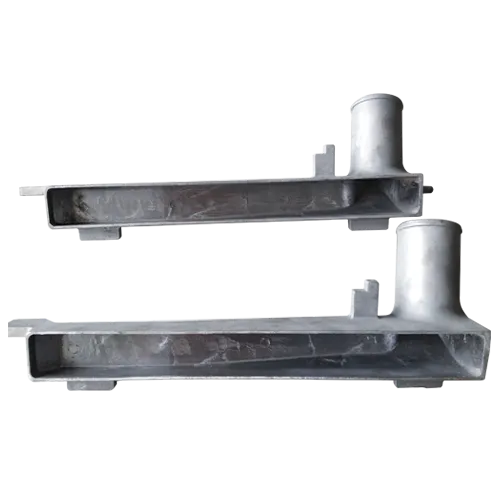
The adaptability of vortex pumps allows them to handle fluids with varying viscosities and solid contents, making them especially valuable for applications where traditional pumps might fail or become inefficient.
Applications
Vortex casing pumps are utilized across a wide range of industries due to their versatile design and operational capabilities. One common application appears in wastewater treatment facilities, where the pumps are employed to transport sludge and other solids-laden fluids. Their design ensures they can handle ragging and clogging while maintaining efficient pumping operations.
In the agricultural sector, vortex pumps are extensively used for irrigation systems, providing reliable water transfer that often includes sediment. Their ability to handle dirty water makes them particularly favorable for rural and farming applications where water sources are not always clean.
Another significant sector utilizing vortex casing pumps is the mining industry. Here, the pumps are utilized for dewatering purposes, effectively removing excess water from mines while managing slurry that contains a high percentage of solids and particles.
Furthermore, vortex pumps have found applications in the chemical and oil industries, where they are employed to move various liquids and slurries, enhancing process efficiency without the risk of damage to the materials transported.
Conclusion
In summary, vortex casing pumps represent a significant advancement in pump technology, combining efficiency, durability, and versatility. Their unique design allows for the handling of challenging fluid applications, where traditional centrifugal pumps may struggle. As industries continue to seek out reliable and efficient solutions for fluid transport, vortex casing pumps are likely to play a vital role in meeting these demands. With the ability to manage solids-heavy fluids across various applications, they stand out as an indispensable tool in the modern pumping landscape.
By understanding their design mechanics and applications, industries can optimize their fluid handling processes, reduce operational costs, and enhance overall productivity in their respective fields. The future of fluid transport may very well rely on the continued innovation and use of technology like the vortex casing pump.
-
Choosing an Engine Storage Crate Cover for Material and EnvironmentNewsNov.23,2026
-
Cylinder Head Chamber Buyers: Check the Casting Specification FirstNewsNov.17,2026
-
How Impeller Casting Manufacturers Match Material, Process and EquipmentNewsNov.15,2026
-
Valve body vs. intake air chamber: Which casting fits your assembly?NewsNov.02,2026
-
Air Intake Chamber FAQ: Specifications, Ordering and Support QuestionsNewsOct.28,2026
-
Motorcycle Accessories FAQ: Specifications, Ordering and Support QuestionsNewsOct.24,2026










