English

Mobile:+86-311-808-126-83
Email:info@ydcastings.com
English
Comparative Analysis of Volute and Vortex Casing Designs in Fluid Dynamics Applications
Volute Casing and Vortex Casing A Comparative Analysis
In the realm of fluid dynamics and turbomachinery, the design and efficiency of casings play pivotal roles in the performance of pumps and turbines. Among the various types of casings, volute casing and vortex casing stand out as two prominent designs. Each serves its purpose in managing fluid flow, but they have distinct characteristics and applications that set them apart.
Understanding Volute Casing
Volute casing is a spiral-shaped structure typically found in centrifugal pumps. Its primary function is to collect fluid from the impeller and direct it toward the discharge pipe in a controlled manner. The volute design allows for a gradual expansion of the flow area, which helps convert the kinetic energy of the fluid into pressure energy efficiently. This transition minimizes turbulence and energy losses, contributing to improved performance.
One of the most significant advantages of volute casings is their ability to maintain a steady flow rate. The gradual change in cross-sectional area minimizes sudden changes in velocity, which could lead to cavitation—a phenomenon where vapor bubbles form and can cause damage to the impeller and casing. Furthermore, volute casings are relatively easy to manufacture and can be designed for various flow rates and pressure requirements, making them highly adaptable to different applications.
Exploring Vortex Casing
In contrast, vortex casing is less commonly used but offers unique benefits in specific scenarios. The design of vortex casings is aimed at creating a controlled vortex flow within the casing itself. This is achieved through a specific geometrical configuration that encourages fluid to spiral around the casing.
The primary advantage of vortex casings lies in their ability to enhance mixing and aeration. This makes them especially useful in applications like wastewater treatment, where efficient oxygen transfer is critical for the biological processes involved. The vortex formation can promote better contact between the fluid and any gases introduced into the system, leading to more effective treatment outcomes.
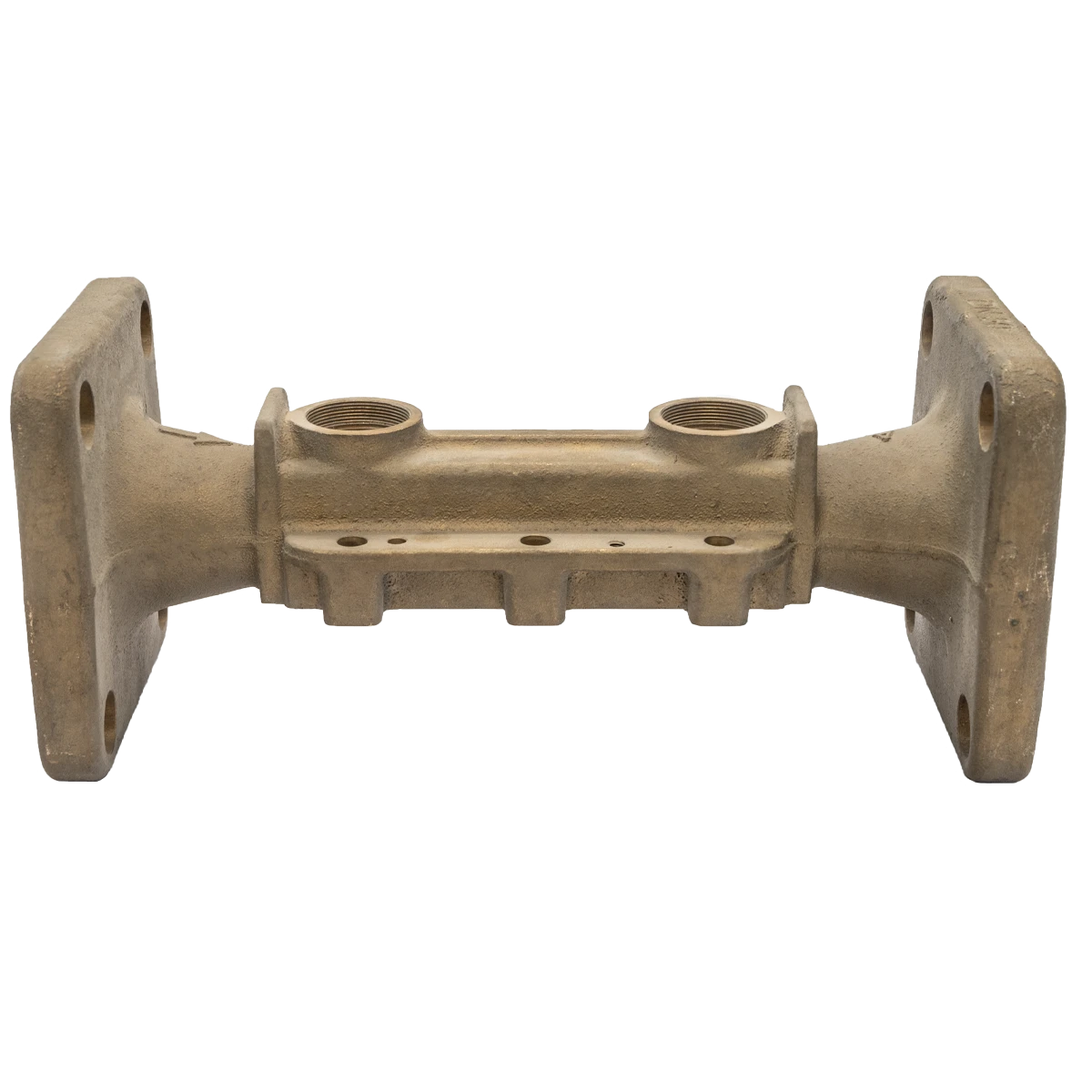
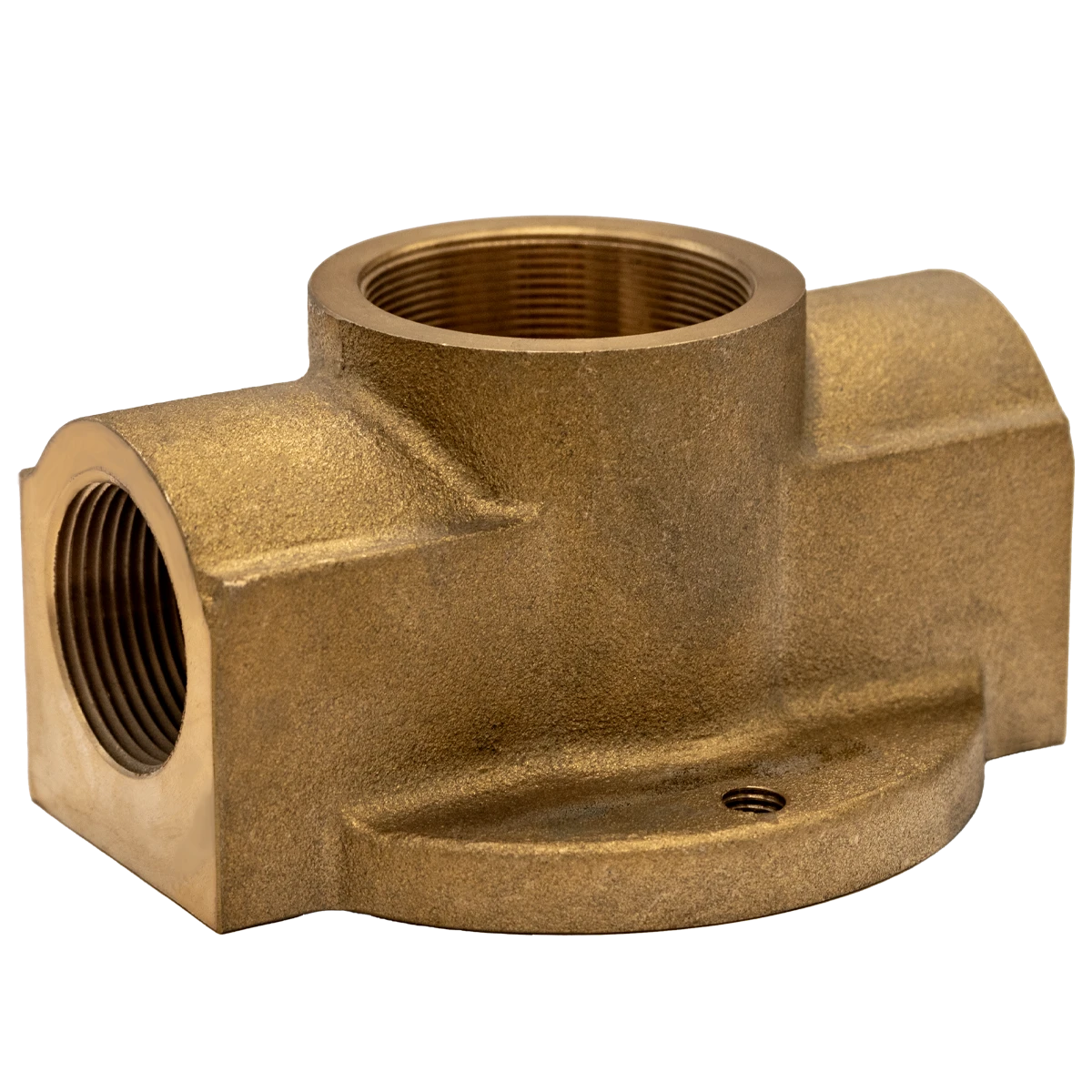
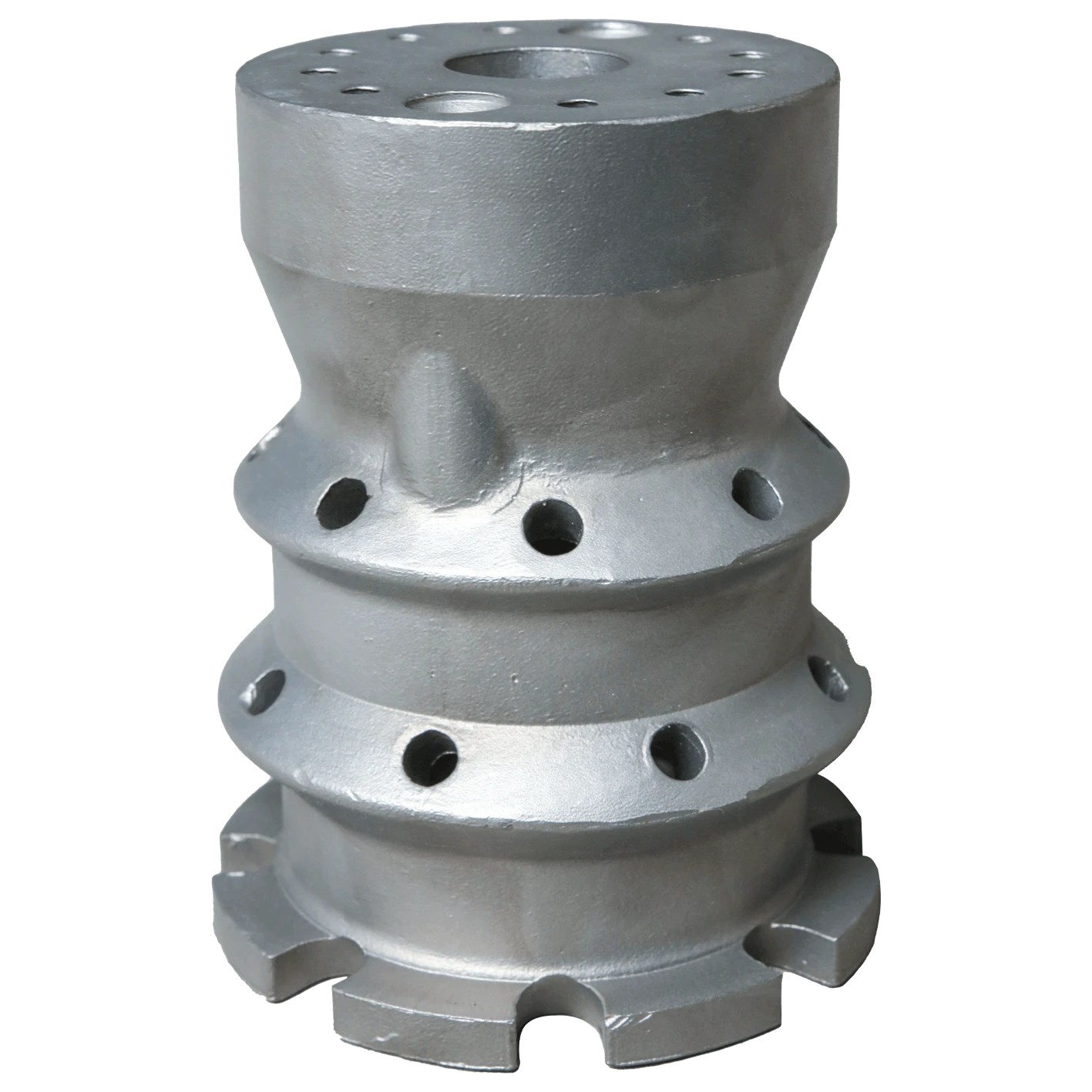
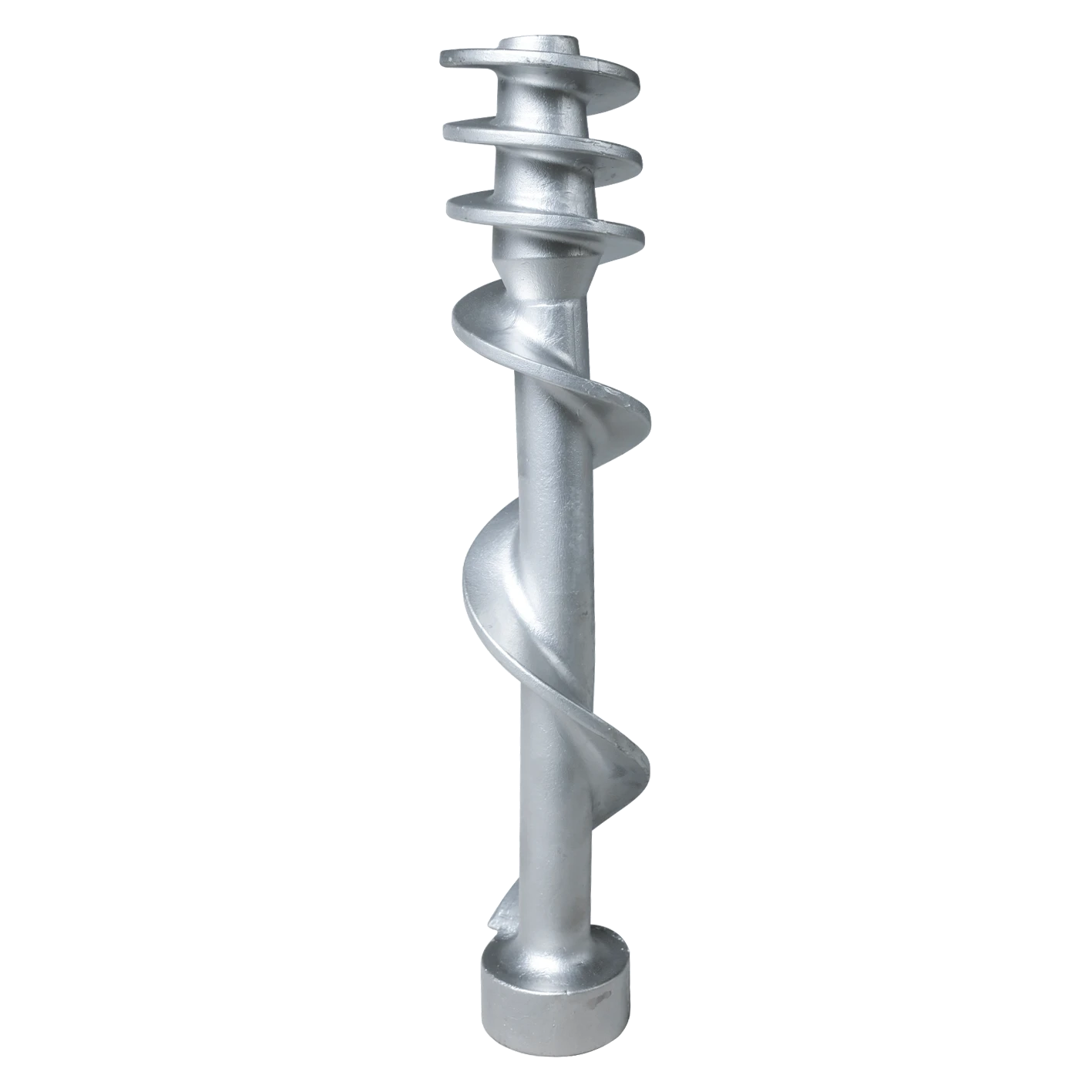
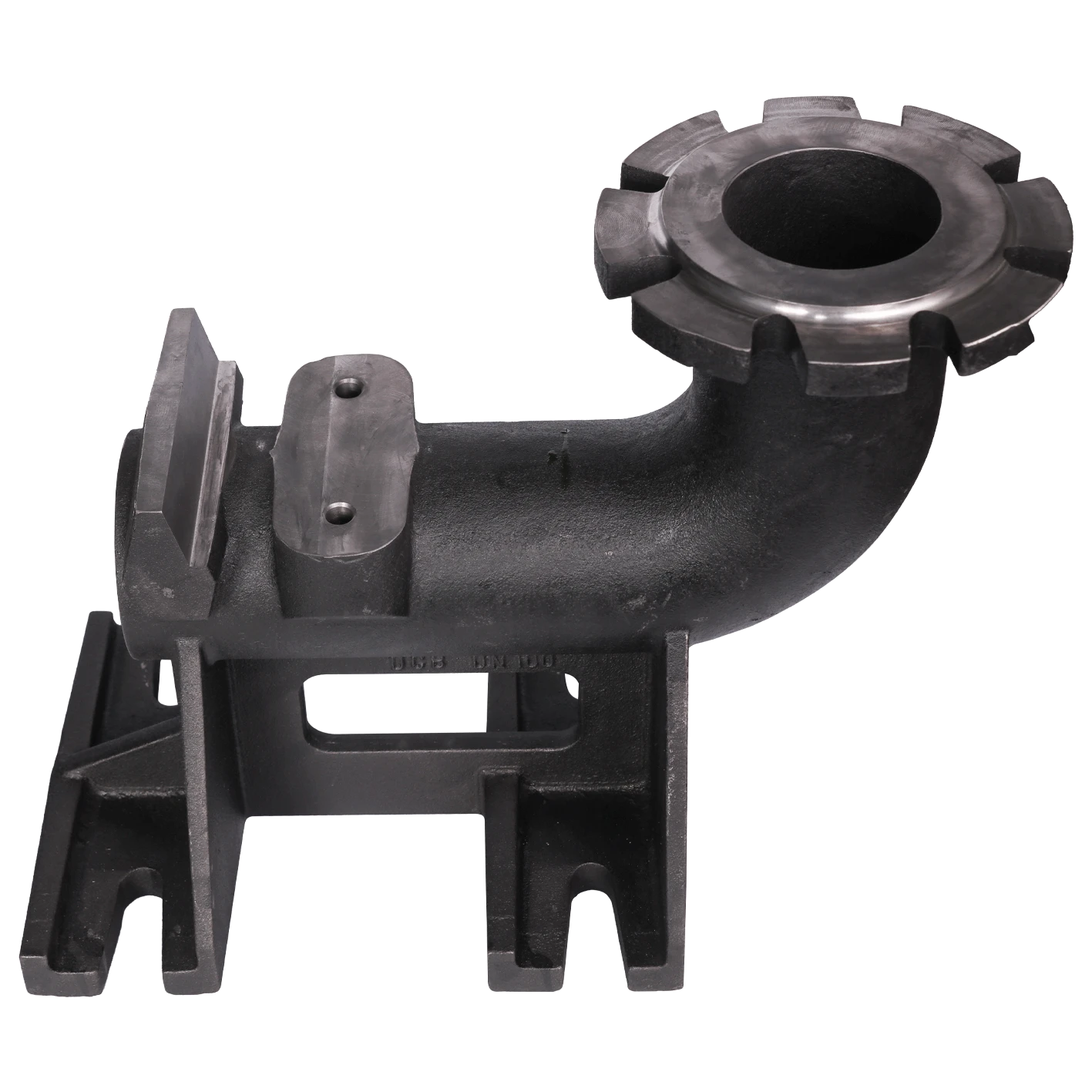
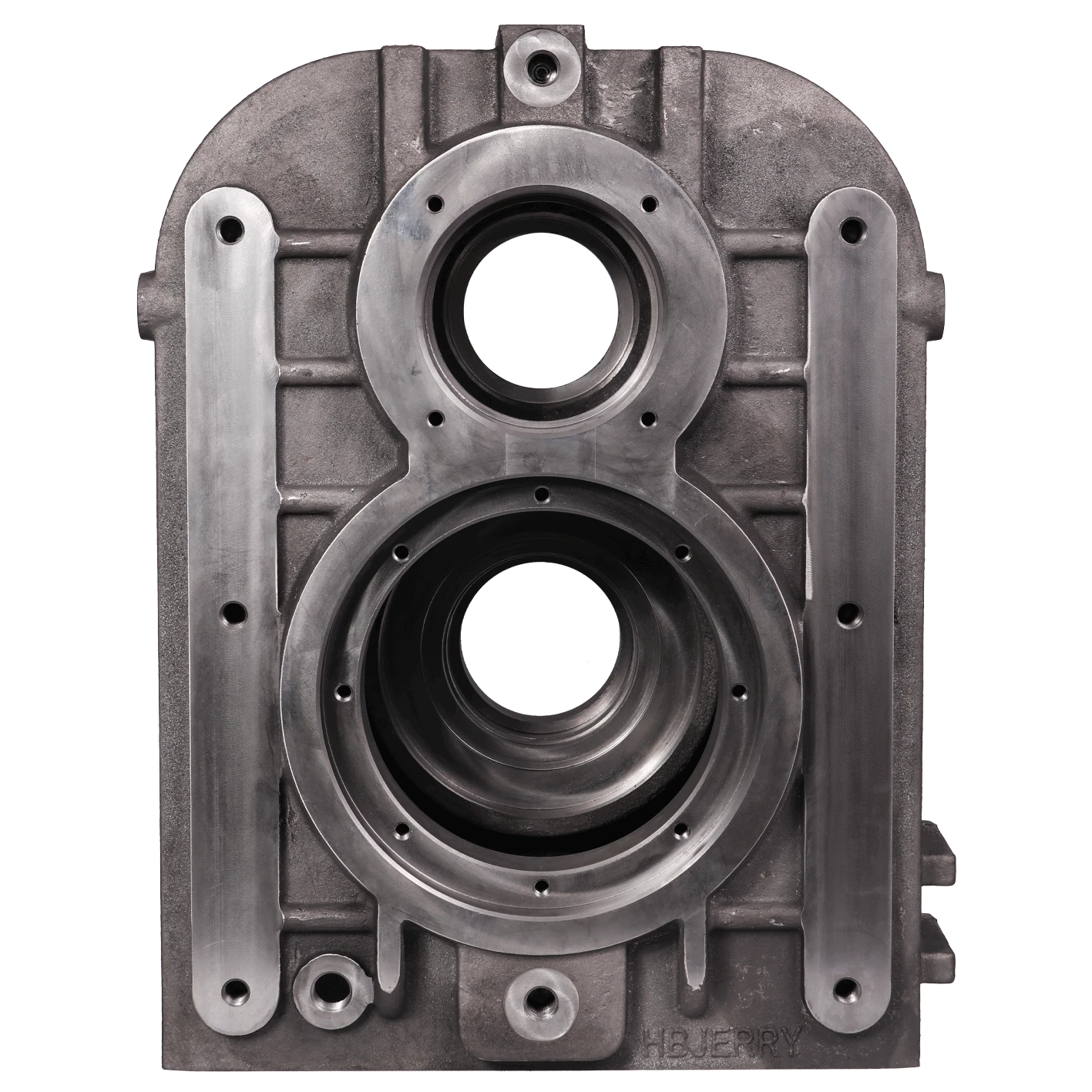
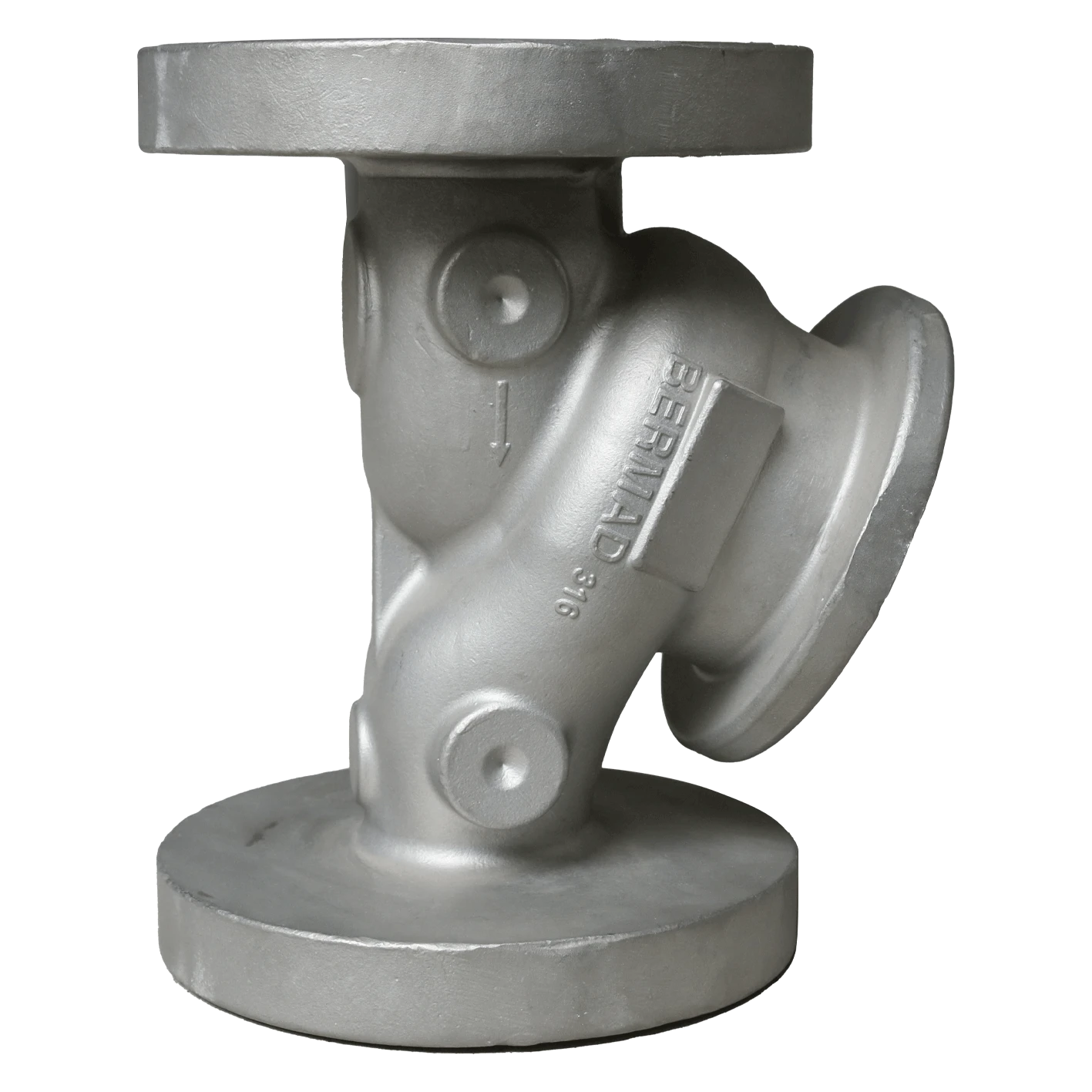
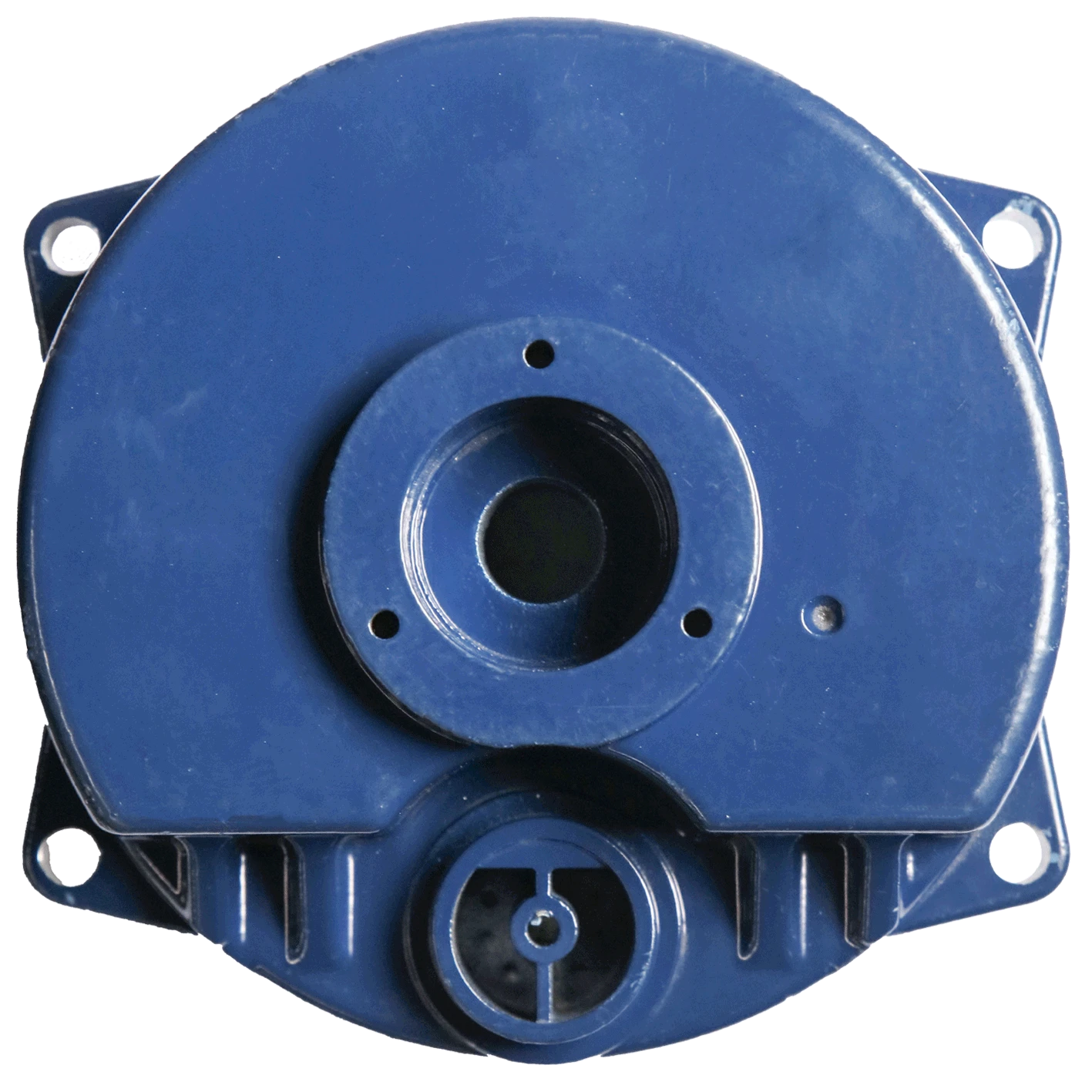
volute casing and vortex casing
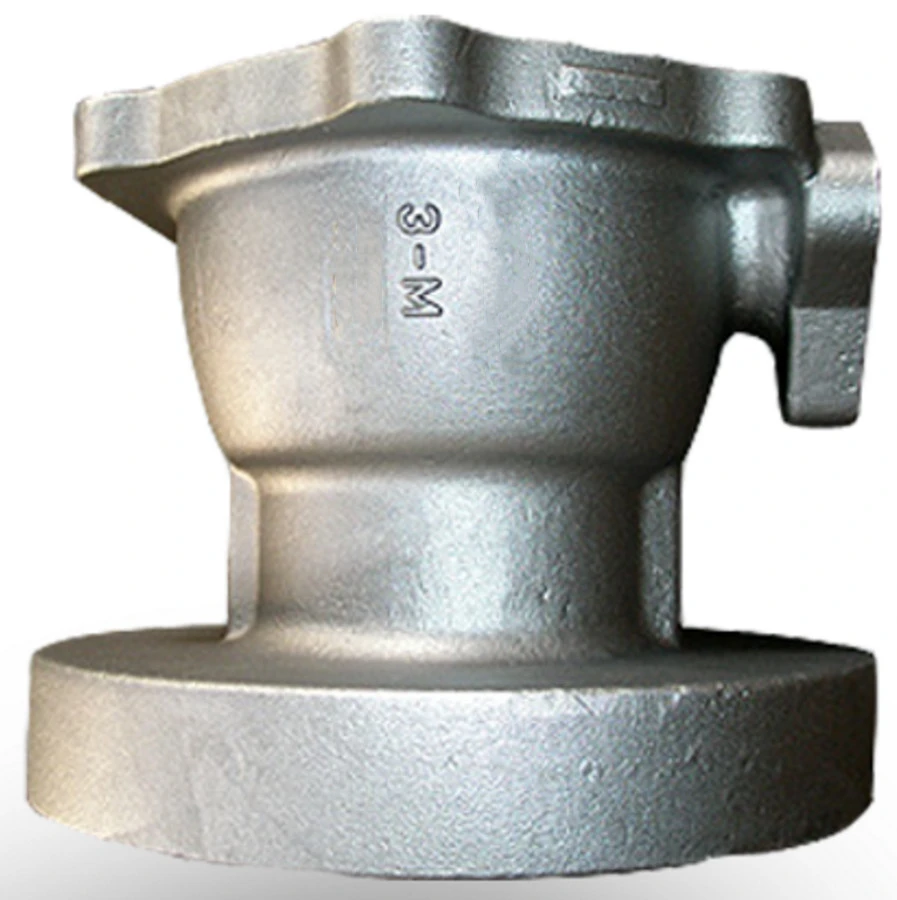
Another significant benefit of vortex casings is their potential for energy saving. Because the flow is directed in a spiral pattern, the energy losses associated with turbulence can be reduced. Additionally, vortex casings can handle higher solid concentrations in the fluid, making them applicable in industries where sediment or particulate matter is prevalent.
Comparative Analysis
When comparing volute casings to vortex casings, it is essential to consider the applications and operational requirements. Volute casings are generally preferred for standard pumping applications where efficiency and flow stability are paramount. They are widely used in various industries, including agriculture, water supply, and general industrial applications.
On the other hand, vortex casings are tailored for specific needs, particularly those requiring enhanced mixing and aeration. Their specialized design makes them suitable for environmental applications and processes that benefit from increased gas-liquid interaction.
Moreover, the maintenance requirements and costs associated with each casing type can vary. Volute casings may require more attention to ensure there is no cavitation, especially in high-pressure systems. Vortex casings, while perhaps less demanding in terms of cavitation, may need regular inspection to ensure that the vortex is maintained effectively, particularly if there is a significant presence of solids in the fluid.
Conclusion
In conclusion, both volute and vortex casings hold important places in the field of fluid dynamics, each tailored to specific performance and application requirements. Understanding the distinctions between these two designs enables engineers and practitioners to choose the appropriate casing type for their specific needs, ultimately leading to optimized fluid handling, energy efficiency, and system reliability. As industries evolve and new technologies emerge, the exploration of casing designs will continue to play a critical role in advancing fluid management solutions.
-
Advanced Manufacturing Technologies in Modern Industrial ProductionNewsMay.22,2026
-
Engine Oil Management Tools: Essential Solutions for Clean and Efficient Automotive MaintenanceNewsMay.22,2026
-
Car Water Pump Systems: Efficiency, Cleaning Applications, and Market OverviewNewsMay.22,2026
-
Industrial Valve Castings and Flow Control Solutions in Modern EngineeringNewsMay.22,2026
-
Aluminum End Caps and Compression Solutions: A Complete Guide for Modern ApplicationsNewsMay.22,2026
-
Precision Valve Castings for Agricultural Irrigation and Fluid Control SystemsNewsMay.08,2026