English

Mobile:+86-311-8081-2683
Email:info@ydcastings.com
English
volute case
Understanding the Volute Case A Critical Component in Turbo Machinery
The volute case, an essential element in many turbo machinery systems, plays a pivotal role in converting kinetic energy into pressure energy. Found predominantly in centrifugal pumps and turbines, the volute design facilitates the efficient movement and management of fluid flows, making it a cornerstone of modern engineering applications.
What is a Volute Case?
A volute case is a spiral-shaped casing that encircles the impeller in a centrifugal pump or a turbine. Its primary function is to collect the fluid discharged from the rotating impeller and guide it towards the discharge pipe or outlet. The unique volute shape is not merely for aesthetics; it serves a critical hydraulic purpose.
The volute is designed to expand as the flow moves outward from the impeller. This expansion reduces the velocity of the fluid, allowing it to convert its kinetic energy into pressure. Essentially, the volute case transforms high-velocity, low-pressure flow at the exit of the impeller into lower velocity, high-pressure flow before it enters the discharge system.
Importance of Volute Design
The efficacy of a volute case is integral to the overall performance of turbo machinery
. A well-designed volute can significantly enhance the hydraulic efficiency of a pump or turbine. It minimizes turbulence and losses in the system, which can lead to increased performance and energy efficiency. Conversely, poor volute design can cause detrimental effects, including flow separation, increased vibrations, and reduced equipment lifespan.1. Hydraulic Performance The design of the volute can influence flow uniformity at the outlet. If the flow enters the discharge pipe unevenly, it can lead to operational challenges. Therefore, engineers must consider aspects such as volute height, width, and shape to optimize performance.
2. Energy Efficiency An ideal volute minimizes energy losses due to friction and turbulence. By ensuring a smooth transition from the impeller to the discharge pipe, the system can maintain higher efficiency, which is crucial in energy-intensive applications.
volute case
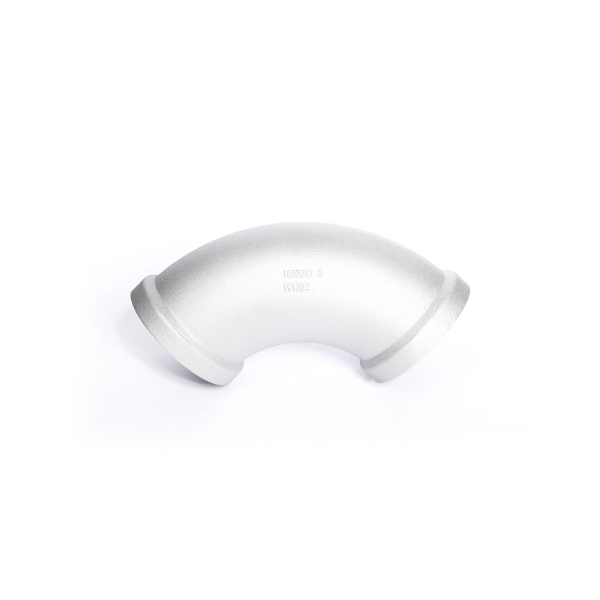
3. Operational Stability A well-optimized volute can reduce the risks of cavitation, a phenomenon where low pressure at the volute inlet leads to vapor bubble formation. Cavitation can cause severe damage to impellers and other components, leading to increased maintenance costs and downtime.
Challenges in Volute Case Design
Despite its benefits, designing an effective volute case involves several challenges. One of the primary difficulties is balancing the trade-offs between size, efficiency, and cost. A larger volute can enhance performance but may also increase material costs and spatial requirements. Additionally, ensuring that the volute accommodates variations in flow rates and fluid types can be complex.
Computational fluid dynamics (CFD) simulations have become increasingly popular tools in volute design. Engineers can model fluid behavior in three-dimensional space, providing insights into potential design modifications before physical prototypes are produced. CFD assists in predicting how changes in the volute geometry may impact performance, allowing for iterative design improvements.
Future Trends
As engineering continues to advance, the future of volute case design is likely to be influenced by developments in materials science, manufacturing techniques, and digital modeling. Innovations such as additive manufacturing could allow for the production of more intricate volute geometries that were previously impossible or too costly to create.
Moreover, the integration of smart technologies and sensors can lead to real-time monitoring of volute performance in operational settings. Such insights can facilitate proactive maintenance, further extending the life of equipment and enhancing operational efficiency.
Conclusion
In conclusion, the volute case is more than just a structural component; it is a crucial element that significantly impacts the performance of turbo machinery. Its design intricacies contribute not only to efficiency and stability but also to the longevity of the equipment. As technology continues to evolve, the potential for improved volute designs promises to enhance the capabilities of pumps and turbines, ultimately leading to more sustainable and efficient energy systems across various industries. Understanding and optimizing the volute case is integral to the future of fluid dynamics in engineering.
-
Choosing an Engine Storage Crate Cover for Material and EnvironmentNewsNov.23,2026
-
Cylinder Head Chamber Buyers: Check the Casting Specification FirstNewsNov.17,2026
-
How Impeller Casting Manufacturers Match Material, Process and EquipmentNewsNov.15,2026
-
Valve body vs. intake air chamber: Which casting fits your assembly?NewsNov.02,2026
-
Air Intake Chamber FAQ: Specifications, Ordering and Support QuestionsNewsOct.28,2026
-
Motorcycle Accessories FAQ: Specifications, Ordering and Support QuestionsNewsOct.24,2026










