English

Mobile:+86-311-8081-2683
Email:info@ydcastings.com
English
valve body
Understanding the Valve Body A Key Component in Automotive Transmission Systems
In the intricate world of automotive engineering, the valve body plays a crucial role that often goes unnoticed by the average driver. This component is a complex assembly that is central to the operation of automatic transmission systems in vehicles. Understanding what a valve body does, its components, and how it functions can offer valuable insights into the mechanics behind smooth driving experiences and optimal vehicle performance.
What is a Valve Body?
The valve body is essentially the control center for an automatic transmission. It is a sophisticated network of passages and channels designed to direct hydraulic fluid throughout the transmission. The effective management of this fluid is vital for shifting gears, which in turn impacts a vehicle's acceleration and deceleration. The fluid pressure within the valve body allows it to control the engagement and disengagement of clutches, bands, and other essential components.
How Does the Valve Body Work?
At the core of the valve body are various valves and solenoids that work in conjunction to regulate hydraulic pressure. When the driver accelerates or decelerates, signals are sent to the transmission control module (TCM), which then determines how the transmission should respond. The TCM sends commands to the solenoids in the valve body, directing hydraulic fluid to various circuits according to the required gear shift.
For instance, during acceleration, when the car reaches a certain speed, the TCM may instruct a solenoid to shift the transmission into a higher gear. This action alters the flow of hydraulic fluid within the valve body, leading to increased pressure at the appropriate circuits, which in turn engages the clutch for the selected gear. Conversely, when the driver decelerates, the signals change, allowing the fluid to flow differently and disengage the clutch as needed.
Components of the Valve Body
A standard valve body includes several key components
1. Valves and Spools These are the heart of the valve body. Each valve controls a particular circuit, allowing or blocking the flow of hydraulic fluid based on the input from the TCM.
2. Solenoids These electrically controlled components operate the valves. When an electrical current is passed through them, they move to open or close the corresponding valve.
valve body
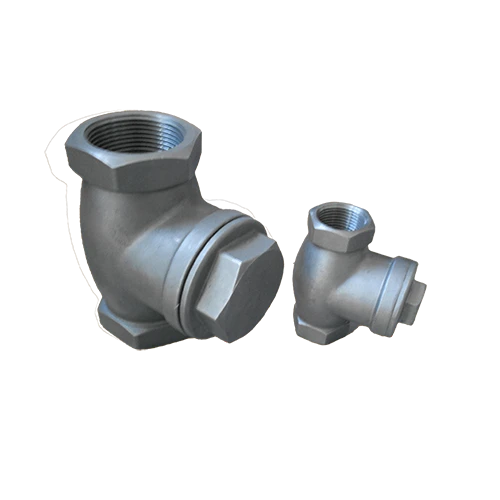
3. Passages These are the channels through which the hydraulic fluid flows. The design and layout of these passages are critical for efficient fluid distribution.
4. Gaskets and Seals These ensure a proper seal between various parts of the valve body to prevent leaks, which could affect hydraulic pressure and transmission performance.
Common Issues with Valve Bodies
Like any mechanical component, valve bodies can experience issues over time. Common problems include
- Fluid Leaks Worn gaskets or seals can lead to leaks, which diminish hydraulic pressure and affect shifting.
- Sticking Valves Dirt and debris can cause valves to stick, leading to erratic shifting or failure to shift entirely.
- Electrical Failures Malfunctions in the solenoids can prevent the proper operation of the valve body, resulting in poor transmission performance.
Maintenance and Repair
Regular maintenance of the transmission fluid and system is essential to prolonging the life of the valve body. Periodic checks and fluid changes can help prevent the buildup of debris and varnish, which can impair valve operation. In cases of failure, replacement or repair of the valve body may be necessary, which is a complex task that usually requires expert knowledge and skills.
Conclusion
The valve body is a vital component of the automatic transmission system in vehicles. Through its intricate design and operation, it ensures that gear shifts are smooth and efficient, playing a significant role in the overall driving experience. Understanding this component leads to a deeper appreciation of automotive technology and the engineering marvels behind modern vehicles. Regular maintenance and prompt attention to issues can help keep the transmission, and thereby the entire vehicle, running smoothly for years to come.
-
Choosing an Engine Storage Crate Cover for Material and EnvironmentNewsNov.23,2026
-
Cylinder Head Chamber Buyers: Check the Casting Specification FirstNewsNov.17,2026
-
How Impeller Casting Manufacturers Match Material, Process and EquipmentNewsNov.15,2026
-
Valve body vs. intake air chamber: Which casting fits your assembly?NewsNov.02,2026
-
Air Intake Chamber FAQ: Specifications, Ordering and Support QuestionsNewsOct.28,2026
-
Motorcycle Accessories FAQ: Specifications, Ordering and Support QuestionsNewsOct.24,2026










