English

Mobile:+86-311-8081-2683
Email:info@ydcastings.com
English
Aluminum Vacuum Casting Techniques for High-Quality Manufacturing Solutions
Vacuum Casting Aluminum An Overview
Vacuum casting aluminum is a sophisticated manufacturing technique that has gained popularity in various industries, including automotive, aerospace, and consumer products. This process involves the creation of high-quality aluminum parts through the use of molds in a controlled vacuum environment. Here, we will explore the fundamentals of vacuum casting aluminum, its advantages, applications, and considerations for implementation.
What is Vacuum Casting?
Vacuum casting is a method used to fabricate parts by pouring liquefied metal into a mold within a vacuum chamber. This process helps minimize air bubbles and contaminants, resulting in a high degree of precision and a superior surface finish. The vacuum environment also aids in the even distribution of the molten aluminum, ensuring that the final product meets the required specifications.
The Process Explained
The vacuum casting process consists of several key steps. Initially, a master pattern of the desired part is created, usually from a material like resin or wood. This pattern is then placed inside a mold, typically made of silicone or polyurethane. The mold is subsequently placed within a vacuum chamber. Once the chamber is evacuated, molten aluminum is poured into the mold.
The vacuum pressure allows the aluminum to flow more freely, penetrating every nook and cranny of the mold. After the aluminum cools and solidifies, the mold is removed, revealing the finished part. This technique is particularly advantageous for producing complex shapes and intricate designs that may be difficult to achieve through traditional casting methods.
Advantages of Vacuum Casting Aluminum
vacuum casting aluminum
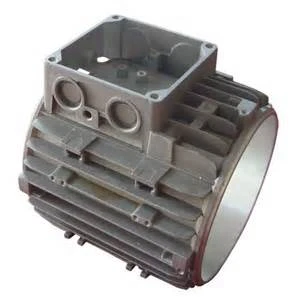
One of the primary benefits of vacuum casting aluminum is the high level of precision it offers
. The process allows for tight tolerances, which is essential in industries where part quality is paramount. Additionally, vacuum casting significantly reduces the risk of defects such as porosity, air pockets, and inclusions, which can compromise the integrity of the final product.Moreover, the versatility of vacuum casting allows for the production of both small and medium-sized batches with relative efficiency. This is particularly useful for prototyping and small-scale production runs, as it eliminates the need for expensive tooling associated with conventional casting methods.
The surface finish obtained from vacuum casting is often superior to that of other casting processes, making additional machining or finishing less necessary. This not only saves time but also reduces manufacturing costs overall.
Applications of Vacuum Casting Aluminum
Vacuum casting aluminum finds applications across multiple sectors. In the automotive industry, it is used for manufacturing components such as engine covers, brackets, and housings. In aerospace, the technique is employed to produce lightweight parts that are crucial for optimizing performance and efficiency. Additionally, in consumer product design, vacuum casting is frequently utilized for creating prototypes and parts that require a high aesthetic value and functionality.
Considerations for Implementation
While vacuum casting aluminum presents numerous advantages, it is essential to consider certain factors before implementation. Selecting the right mold material is crucial for achieving the desired finish and durability of the mold. Furthermore, proper control of vacuum conditions during the casting process is vital to ensure the quality of the final product.
In conclusion, vacuum casting aluminum is an innovative manufacturing process that offers numerous benefits in terms of precision, surface finish, and versatility. As industries continue to seek ways to improve production efficiency and product quality, vacuum casting is likely to play a significant role in meeting these demands. By understanding the intricacies of this process, manufacturers can make informed decisions about its application and integration into their production lines.
-
Choosing an Engine Storage Crate Cover for Material and EnvironmentNewsNov.23,2026
-
Cylinder Head Chamber Buyers: Check the Casting Specification FirstNewsNov.17,2026
-
How Impeller Casting Manufacturers Match Material, Process and EquipmentNewsNov.15,2026
-
Valve body vs. intake air chamber: Which casting fits your assembly?NewsNov.02,2026
-
Air Intake Chamber FAQ: Specifications, Ordering and Support QuestionsNewsOct.28,2026
-
Motorcycle Accessories FAQ: Specifications, Ordering and Support QuestionsNewsOct.24,2026










