English

Mobile:+86-311-8081-2683
Email:info@ydcastings.com
English
Design and Efficiency of V4 Submersible Pump Impeller for Optimal Fluid Flow
Understanding the V4 Submersible Pump Impeller
Submersible pumps are essential devices used in various applications, including drainage, sewage handling, and industrial processes. The efficiency and performance of these pumps largely depend on their impellers. This article will focus on the V4 submersible pump impeller, a crucial component that significantly influences the pump's functionality.
What is a Submersible Pump?
A submersible pump operates while submerged in the fluid it is pumping. This design allows for efficient fluid movement and prevents the motor from becoming damaged by exposure to liquids. Submersible pumps are commonly used in well water systems, wastewater treatment facilities, and for dewatering in construction sites.
The Role of the Impeller
The impeller is the heart of a submersible pump. It transforms the mechanical energy from the motor into hydraulic energy, enabling the fluid to be lifted and transported. The design, material, and configuration of the impeller directly impact the pump’s performance, including flow rate, head pressure, and overall energy efficiency.
Characteristics of the V4 Submersible Pump Impeller
The V4 submersible pump impeller is specifically designed for high performance in various conditions
. Here are some of its key characteristics1. Material Quality V4 impellers are often made from corrosion-resistant materials such as stainless steel, bronze, or high-strength plastics. This durability is vital for pumps that operate in harsh environments, such as wastewater applications, where exposure to aggressive chemicals can occur.
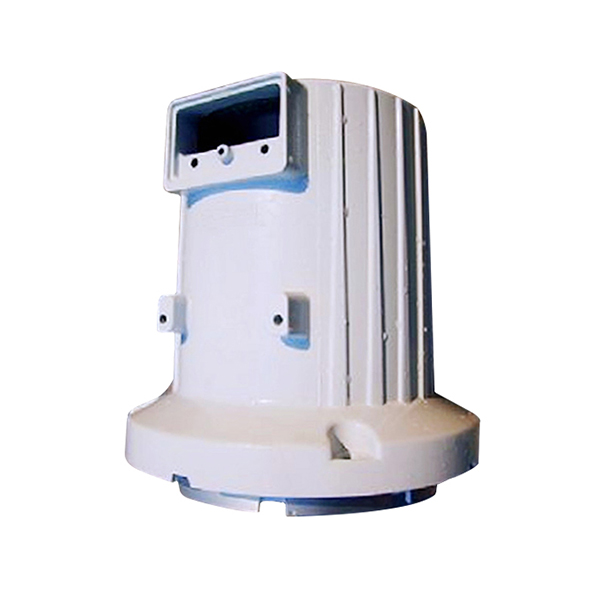
v4 submersible pump impeller
2. Blade Design The impeller typically features a multi-blade design that helps in optimizing fluid flow. The shape and angle of the blades are engineered to generate maximum lift and minimize turbulence, leading to improved overall efficiency and reduced energy consumption.
3. Size Versatility The V4 designation usually refers to the diameter of the pump’s volute casing. This versatility allows the pump to be used in both small and large applications, making it suitable for everything from residential water supply systems to industrial dewatering processes.
4. High Operating Efficiency One of the primary advantages of the V4 submersible pump impeller is its ability to maintain high efficiency over a range of operating conditions. This characteristic is particularly important in applications requiring variable flow rates and pressures, allowing users to save on energy costs.
5. Self-Cleaning Design Many V4 impellers incorporate self-cleaning features that prevent clogging from solids present in the pumped fluid. This design ensures that the pump operates at peak efficiency without frequent maintenance interruptions, thereby extending the lifespan of the pump.
Installation and Maintenance
When it comes to the installation of a V4 submersible pump with an impeller, proper adherence to manufacturer guidelines is crucial. This includes ensuring that the pump is positioned at an optimal depth and that the electrical connections are securely made to prevent water ingress.
Regular maintenance of the pump, including inspection and cleaning of the impeller, is also essential. Over time, debris can accumulate, potentially affecting performance and causing damage. Therefore, routine checks can help identify issues before they result in major repairs.
Conclusion
The V4 submersible pump impeller plays a pivotal role in the effectiveness of submersible pumps. With its advanced design, durable materials, and efficient performance characteristics, it meets the diverse needs of various applications. Understanding how the impeller works and maintaining it properly will ensure that submersible pumps serve efficiently, providing reliable fluid movement for years to come. Whether for residential or industrial use, the V4 impeller remains a cornerstone of modern pump technology, demonstrating the importance of optimal design in engineering.
-
Choosing an Engine Storage Crate Cover for Material and EnvironmentNewsNov.23,2026
-
Cylinder Head Chamber Buyers: Check the Casting Specification FirstNewsNov.17,2026
-
How Impeller Casting Manufacturers Match Material, Process and EquipmentNewsNov.15,2026
-
Valve body vs. intake air chamber: Which casting fits your assembly?NewsNov.02,2026
-
Air Intake Chamber FAQ: Specifications, Ordering and Support QuestionsNewsOct.28,2026
-
Motorcycle Accessories FAQ: Specifications, Ordering and Support QuestionsNewsOct.24,2026










