English

Mobile:+86-311-808-126-83
Email:info@ydcastings.com
English
Understanding the Importance of Automotive Oil Pans in Engine Performance and Longevity
Understanding the Automotive Oil Pan An Essential Component of Engine Performance
The oil pan, often referred to as the sump, is a crucial component in an automobile's engine system. It plays a vital role in the lubrication process, which is essential for the smooth operation of an engine. This article delves into the function, construction, importance, and maintenance of the automotive oil pan, shedding light on why it should not be overlooked by vehicle owners.
The Primary Function of the Oil Pan
The primary function of the oil pan is to hold the engine oil that lubricates the engine's internal components. The oil circulates through the oil pump, lubricating moving parts such as the crankshaft, bearings, camshaft, and timing chain. Once the oil has circulated, it drains back into the oil pan, ready to be pumped again. By ensuring a constant supply of oil, the pan helps minimize friction, reduces wear and tear on engine components, and ultimately enhances the longevity of the engine.
Construction and Materials
Oil pans are typically made from either stamped steel or aluminum. Steel pans are durable and cost-effective, while aluminum pans are lightweight and offer better heat dissipation. Some high-performance vehicles may even have oil pans made from composite materials for added strength and weight savings.
The design of an oil pan is not just a simple bowl; it includes several features that enhance its functionality. One such feature is the baffle system, which prevents the oil from sloshing around during acceleration, braking, or turning. This sloshing can temporarily expose the oil pickup tube, leading to inadequate lubrication. The baffles work to keep the oil in a designated area, ensuring consistent oil flow.
Additionally, many oil pans include a drain plug at the lowest point, allowing for easy oil changes and maintenance. The pan may also come with a gasket or seal to prevent leaks, which can be detrimental to engine health.
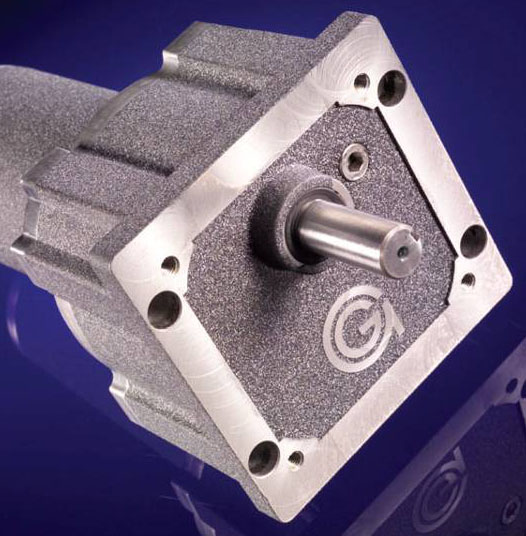
automotive oil pan
Importance of the Oil Pan
The importance of the oil pan extends beyond simply storing oil. A well-functioning oil pan helps maintain optimal oil pressure, which is critical for the engine's overall performance. Low oil pressure can lead to serious engine issues, including overheating, increased friction, and eventual engine failure. Furthermore, the oil pan serves as a barrier preventing contaminants from entering the lubrication system. Keeping oil clean and free of debris is essential for avoiding premature engine wear.
An oil pan that develops a leak can lead to significant problems. Loss of oil not only jeopardizes engine performance, but it can also create safety hazards, such as oil spots on the road, which can be slippery for other vehicles. Additionally, engine oil leaks can cause environmental issues, leading to pollution and potential fines if not addressed.
Maintenance and Inspection
Maintaining the oil pan and ensuring it’s in good working condition is an essential part of vehicle upkeep. Regular oil changes are crucial; they not only flush out old and dirty oil but also help identify potential leaks early on. It’s advisable for vehicle owners to inspect the oil pan during routine maintenance intervals.
Look for signs of rust, corrosion, or oil spotting under the vehicle as these may indicate a compromised oil pan. Any unusual noises emanating from the engine may also signal issues with oil flow. In such cases, it’s prudent to consult a professional mechanic promptly.
Conclusion
In summary, the automotive oil pan is far more than just a container for oil; it is an integral part of the engine’s lubrication system that significantly impacts performance and longevity. Understanding its role, recognizing its importance, and maintaining its functionality are vital aspects of responsible vehicle ownership. A little attention to this essential component can lead to improved engine performance, enhanced safety, and reduced repair costs in the long run. By investing time and effort in ensuring the oil pan is in top condition, drivers can enjoy a smooth and reliable driving experience. Regular checks and timely oil changes can go a long way in preserving the health of the engine, making the oil pan a critical piece of the automotive puzzle.
-
Precision Valve Castings for Agricultural Irrigation and Fluid Control SystemsNewsMay.08,2026
-
Precision Impeller and Compressor Components for Agricultural MachineryNewsMay.08,2026
-
Essential Cast Components for Agricultural Machinery: Oil Management and Motor ProtectionNewsMay.08,2026
-
High-Performance Cast Components for Agricultural Machinery: From Cooling to Exhaust SystemsNewsMay.08,2026
-
Agricultural Valve Castings: Durable Flow Control Solutions for Farm Irrigation SystemsNewsMay.08,2026
-
High-Performance Agricultural Pump Components: Precision Castings for Reliable Farm OperationsNewsMay.08,2026