English

Mobile:+86-311-8081-2683
Email:info@ydcastings.com
English
Understanding the Functionality of Overhead Mixer Impellers in Industrial Applications
The Role of Overhead Mixer Impellers in Industrial Mixing Processes
In the realm of industrial mixing, the overhead mixer and its impeller play a pivotal role in ensuring that materials are blended efficiently and effectively. Overhead mixers are commonly used in various sectors, including food and beverage production, pharmaceuticals, cosmetics, and chemical manufacturing. Their design, function, and the choice of impeller type greatly influence the mixing performance, quality of the final product, and overall operational efficiency.
Understanding Overhead Mixers
Overhead mixers are characterized by their mounted position over the mixing vessel. They typically consist of a motor, a drive mechanism, and an impeller. This configuration allows for powerful, consistent mixing of materials that can vary in viscosity, from thin liquids to thick pastes. Unlike portable mixers, overhead mixers are designed for larger-scale operations, making them ideal for industrial applications.
Impeller Design Impacts Performance
The impeller is the heart of the overhead mixer, responsible for creating flow and shear within the mixture. The design of the impeller significantly influences how well the mixer can achieve homogeneity, reduce particle size, and distribute heat or other energy throughout the mixture. Different types of impellers serve specific purposes, and the choice of an impeller should align with the properties of the materials being mixed.
1. Types of Impellers - Propeller Impellers These are commonly used for low to medium viscosity fluids. They are efficient at moving fluid from the bottom to the top of the vessel, promoting circulation. - Turbine Impellers Designed with multiple blades, turbine impellers can handle a wider range of viscosities and are effective in creating turbulence. They are ideal for dispersing solid particles or creating emulsions. - Anchor Impellers These are suitable for high-viscosity substances. The anchor design provides a scraping action against the vessel walls, ensuring that all material is effectively mixed. - Helical Ribbon Impellers Often used in applications requiring thorough mixing of viscous materials, these impellers help push the material vertically and horizontally, ensuring even distribution.
overhead mixer impeller
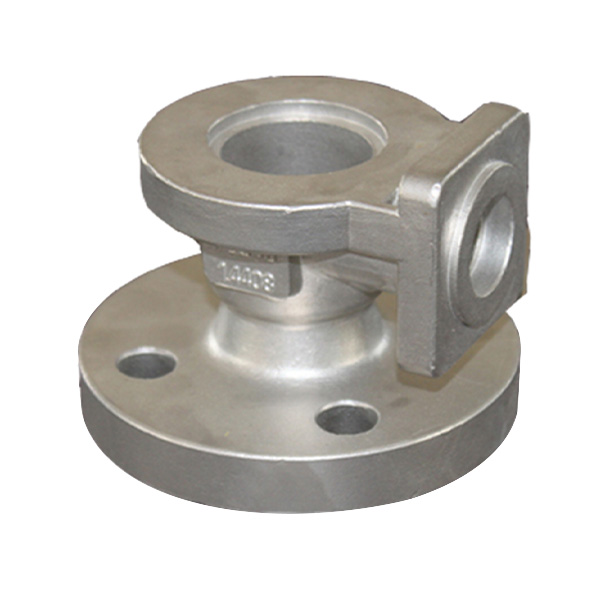
2. Maximizing Efficiency The selection of the right impeller is crucial not only for achieving the desired mixing results but also for maximizing energy efficiency. Using an impeller that is not suited for the application can lead to longer mixing times, excessive energy consumption, and potential damage to both the mixer and the materials being processed.
Factors to Consider in Impeller Selection
When selecting an impeller for an overhead mixer, several factors must be considered
- Viscosity of the Materials Different impellers perform better with various viscosity levels. Understanding the rheological properties of the materials being mixed is crucial. - Desired Mixing Results Whether the goal is to achieve a uniform blend, disperse solids, or create emulsions will influence the choice of impeller design. - Tank Geometry and Volume The shape and size of the mixing vessel should align with the impeller type to maximize flow patterns and minimize dead zones where unmixed material might accumulate. - Speed and Power Both the mixer speed and motor power must be matched to the impeller type to achieve optimal mixing. An impeller that operates at too high a speed may create excess shear, damaging delicate materials, while one that operates too slowly may fail to properly mix thick substances.
Conclusion
The overhead mixer impeller is an indispensable component in industrial mixing applications. By understanding the various types of impellers, their specific functions, and the factors influencing their performance, industries can optimize their processes for efficiency and product quality. As technology advances, innovations in impeller design and mixer configurations continue to evolve, allowing for even greater customization and efficiency in mixing operations. In a world that demands precision and excellence in manufacturing, the importance of selecting the right overhead mixer impeller cannot be overemphasized. By making informed decisions, industries can ensure that their mixing processes meet both operational and product standards, driving success in their respective markets.
-
Choosing an Engine Storage Crate Cover for Material and EnvironmentNewsNov.23,2026
-
Cylinder Head Chamber Buyers: Check the Casting Specification FirstNewsNov.17,2026
-
How Impeller Casting Manufacturers Match Material, Process and EquipmentNewsNov.15,2026
-
Valve body vs. intake air chamber: Which casting fits your assembly?NewsNov.02,2026
-
Air Intake Chamber FAQ: Specifications, Ordering and Support QuestionsNewsOct.28,2026
-
Motorcycle Accessories FAQ: Specifications, Ordering and Support QuestionsNewsOct.24,2026










