English

Mobile:+86-311-8081-2683
Email:info@ydcastings.com
English
Understanding Exhaust Manifolds in Marine Engines for Optimal Performance and Efficiency
Understanding the Exhaust Manifold of Marine Engines
In the world of marine engineering, the importance of various engine components cannot be understated. Among these, the exhaust manifold plays a critical role in the performance, efficiency, and longevity of marine engines. From large vessels to small recreational boats, the functionality of the exhaust manifold is vital for safe and effective operation. In this article, we will explore the purpose, construction, and maintenance of exhaust manifolds in marine engines, underscoring their significance in maritime operations.
What is an Exhaust Manifold?
An exhaust manifold is a crucial component of an internal combustion engine that collects exhaust gases from multiple cylinders and directs them into a single exhaust outlet. In marine engines, this manifold must withstand extreme conditions, including high temperatures, corrosive seawater exposure, and vibrations from the engine's operation. Its pivotal role in managing exhaust emissions and protecting the engine from damage makes it a critical component for marine propulsion systems.
Purpose and Functionality
The primary purpose of the exhaust manifold is to guide exhaust gases away from the engine, which is crucial for maintaining proper engine performance. Effective removal of exhaust gases helps in reducing back pressure, a condition that can negatively impact engine efficiency. The exhaust manifold also plays a role in cooling the exhaust gases through its design, which helps to minimize the thermal load on the engine, thus prolonging its service life.
Moreover, in many marine systems, the exhaust manifold is integrated with the water cooling system. This integration allows seawater to flow through the manifold, helping to cool down the exhaust gases before they are expelled. Such systems are particularly significant in marine environments where overheating could lead to catastrophic engine failures.
Construction Materials
exhaust manifold marine engine
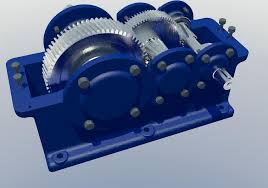
Marine exhaust manifolds are typically constructed from materials that can withstand both heat and corrosion. Common materials include cast iron, stainless steel, and various alloys that resist corrosion due to saltwater exposure. Cast iron is favored for its durability and ability to retain heat, but it can be prone to rust over time. Conversely, stainless steel is often used for its superior resistance to corrosion and higher temperature tolerance, making it an ideal choice for many modern marine applications.
Maintenance Considerations
Like any mechanical component, exhaust manifolds require regular maintenance to ensure optimal performance. Over time, exhaust manifolds can develop cracks, corrode, or become blocked due to the buildup of soot and other deposits. Regular inspection for signs of corrosion, leaks, or physical damage is essential.
A common maintenance practice involves flushing the cooling system to prevent salt buildup, which can lead to significant corrosion. Additionally, inspecting and possibly replacing gaskets is crucial to avoid exhaust leaks, which could lead to dangerous situations for crew and passengers on board.
In some cases, engine manufacturers recommend periodic replacement of the entire exhaust manifold after a certain number of operational hours. This preventive measure helps avoid unexpected failures, which can be costly and time-consuming to repair.
Conclusion
The exhaust manifold is a critical component in the operation of marine engines, providing essential functions that contribute to the overall performance and safety of the vessel. Understanding its role, materials, and maintenance needs is important for marine engineers, technicians, and boat owners alike. Proper care and attention to this often-overlooked component can lead to enhanced efficiency, reduced operational costs, and a longer lifespan for marine engines. As we continue to navigate the vast waters of our world, ensuring that our vessels run smoothly and efficiently remains a priority, and the exhaust manifold is an integral part of that endeavor.
-
Choosing an Engine Storage Crate Cover for Material and EnvironmentNewsNov.23,2026
-
Cylinder Head Chamber Buyers: Check the Casting Specification FirstNewsNov.17,2026
-
How Impeller Casting Manufacturers Match Material, Process and EquipmentNewsNov.15,2026
-
Valve body vs. intake air chamber: Which casting fits your assembly?NewsNov.02,2026
-
Air Intake Chamber FAQ: Specifications, Ordering and Support QuestionsNewsOct.28,2026
-
Motorcycle Accessories FAQ: Specifications, Ordering and Support QuestionsNewsOct.24,2026










