English

Mobile:+86-311-8081-2683
Email:info@ydcastings.com
English
Feb . 14, 2025 10:53
Back to list
types of pipe caps
Pipe caps play an essential role in the plumbing and piping industries, safeguarding the ends of pipes in various applications. Their primary function is to provide a secure closure, preventing the ingress of debris, moisture, and insects, or avoiding the outflow of gases or fluids. Choosing the correct type of pipe cap is crucial for maintaining the integrity and efficiency of a piping system. Here, we explore the diverse types of pipe caps available, each tailored to specific needs and environments.
Victaulic and grooved caps are exclusive to systems utilizing grooved piping. Instead of threading or welding, these caps are clamped over the pipe grooves using a dedicated coupling. Favored in fire protection and HVAC installations for their speed and ease of assembly, they're integral to projects with strict time constraints and need for modular flexibility. Pipe caps also vary in shape and size to accommodate different specifications. Dome-shaped caps, for instance, are used where pressure distribution is critical, enabling stress to be evenly spread across the cap's surface. Flat-head caps, in contrast, are suitable for low-pressure systems and are easier to stack and store, providing practical storage solutions in batch applications. Material selection for pipe caps can significantly influence their effectiveness. Besides the commonly used metals such as stainless steel for its durability, caps are also made from materials like PVC, which is lightweight and cost-effective but may not withstand high temperatures. Similarly, rubber caps are useful for temporary sealing but are unsuitable for long-term exposure to harsh environments. Understanding the diverse types of pipe caps available is essential for stakeholders in the industries reliant on piping solutions. Correctly matched to their application, pipe caps maximize system integrity and performance, safeguarding investments and ensuring reliability in conditions ranging from mildly corrosive to extremely demanding environments. In summary, the choice of pipe cap should align with the system's specific requirements. Considerations must include the pressure environment, material compatibility, required seal permanence, and installation conditions. Professionals tasked with designing or maintaining piping systems must be well-acquainted with the diverse qualities of pipe caps, combining their practical expertise with in-depth product knowledge to ensure both efficiency and safety. Investing time in understanding the nuances of each type ensures not only performance excellence but also extends the lifespan of the entire piping network.
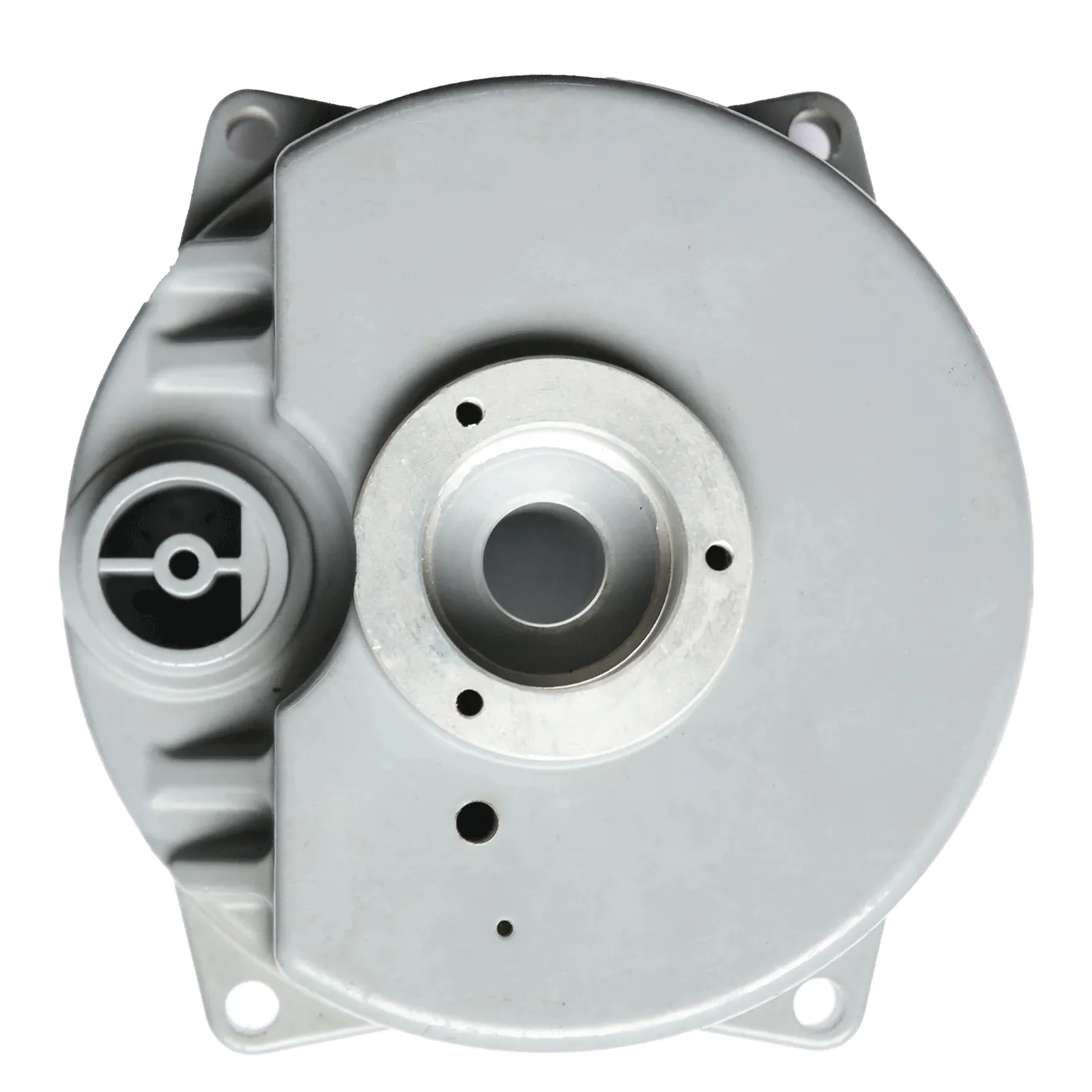
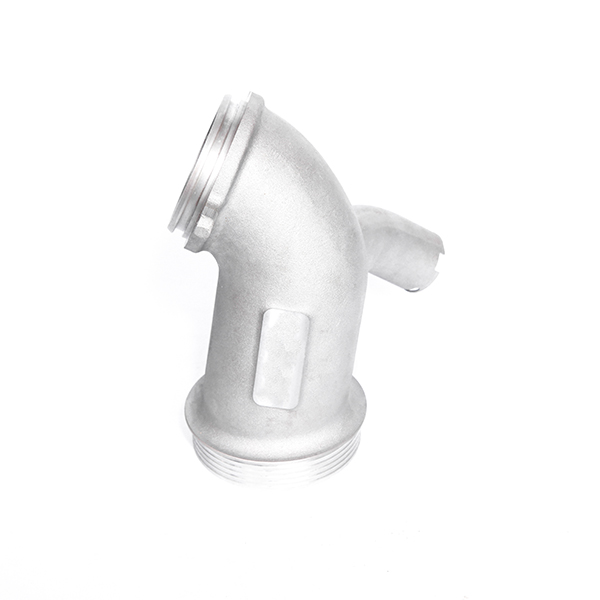
Victaulic and grooved caps are exclusive to systems utilizing grooved piping. Instead of threading or welding, these caps are clamped over the pipe grooves using a dedicated coupling. Favored in fire protection and HVAC installations for their speed and ease of assembly, they're integral to projects with strict time constraints and need for modular flexibility. Pipe caps also vary in shape and size to accommodate different specifications. Dome-shaped caps, for instance, are used where pressure distribution is critical, enabling stress to be evenly spread across the cap's surface. Flat-head caps, in contrast, are suitable for low-pressure systems and are easier to stack and store, providing practical storage solutions in batch applications. Material selection for pipe caps can significantly influence their effectiveness. Besides the commonly used metals such as stainless steel for its durability, caps are also made from materials like PVC, which is lightweight and cost-effective but may not withstand high temperatures. Similarly, rubber caps are useful for temporary sealing but are unsuitable for long-term exposure to harsh environments. Understanding the diverse types of pipe caps available is essential for stakeholders in the industries reliant on piping solutions. Correctly matched to their application, pipe caps maximize system integrity and performance, safeguarding investments and ensuring reliability in conditions ranging from mildly corrosive to extremely demanding environments. In summary, the choice of pipe cap should align with the system's specific requirements. Considerations must include the pressure environment, material compatibility, required seal permanence, and installation conditions. Professionals tasked with designing or maintaining piping systems must be well-acquainted with the diverse qualities of pipe caps, combining their practical expertise with in-depth product knowledge to ensure both efficiency and safety. Investing time in understanding the nuances of each type ensures not only performance excellence but also extends the lifespan of the entire piping network.
Next:
Latest news
-
Choosing an Engine Storage Crate Cover for Material and EnvironmentNewsNov.23,2026
-
Cylinder Head Chamber Buyers: Check the Casting Specification FirstNewsNov.17,2026
-
How Impeller Casting Manufacturers Match Material, Process and EquipmentNewsNov.15,2026
-
Valve body vs. intake air chamber: Which casting fits your assembly?NewsNov.02,2026
-
Air Intake Chamber FAQ: Specifications, Ordering and Support QuestionsNewsOct.28,2026
-
Motorcycle Accessories FAQ: Specifications, Ordering and Support QuestionsNewsOct.24,2026
Related PRODUCTS










