English

Mobile:+86-311-8081-2683
Email:info@ydcastings.com
English
types of molds in casting
Types of Molds in Casting
Casting is a fundamental manufacturing process that involves pouring molten material into a mold to create a specific shape. The type of mold used can significantly influence the properties of the final product, making it crucial to understand the various types of molds in casting. Here, we will explore some of the most common types of molds used in casting processes.
Types of Molds in Casting
2. Shell Molds Shell molding is a process that involves creating a thin shell of sand bonded with resin. This method provides excellent surface finish and dimensional accuracy, making it ideal for small to medium-sized castings. The shell is formed by heating a metal pattern, which causes a layer of sand to adhere to it. Once the shell is sufficiently thick, it is removed, and the molds are assembled for casting.
types of molds in casting
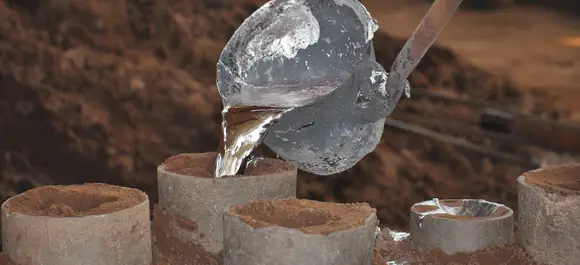
3. Investment Molds Investment casting, also known as lost-wax casting, utilizes wax patterns that are coated in a ceramic shell. Once the shell is hardened, the wax is melted away, leaving a precise cavity. This technique allows for intricate designs and tight tolerances, making it suitable for industries like aerospace and jewelry. The investment process can be more expensive and time-consuming than other methods, but the accuracy it provides often justifies the costs.
4. Die Molds Die casting involves forcing molten metal into reusable molds under high pressure. These molds, known as dies, are typically made from strong alloys that can withstand the high pressures associated with the casting process. Die casting is particularly effective for producing small to medium-sized parts with high volumes, offering excellent surface finish and dimensional consistency.
5. Permanent Molds Permanent molds are made from metal and can be reused multiple times. This type of mold is typically used for casting non-ferrous materials. They offer good surface finish and dimensional accuracy and can produce complex shapes. However, they have limitations in terms of the types of metals that can be cast due to temperature constraints.
In conclusion, selecting the appropriate mold type is essential for successful casting operations. Each mold type has its advantages and applications, allowing manufacturers to choose the best option based on their specific needs and requirements. Understanding these different molds can lead to improved process efficiency and product quality in the casting industry.
-
Choosing an Engine Storage Crate Cover for Material and EnvironmentNewsNov.23,2026
-
Cylinder Head Chamber Buyers: Check the Casting Specification FirstNewsNov.17,2026
-
How Impeller Casting Manufacturers Match Material, Process and EquipmentNewsNov.15,2026
-
Valve body vs. intake air chamber: Which casting fits your assembly?NewsNov.02,2026
-
Air Intake Chamber FAQ: Specifications, Ordering and Support QuestionsNewsOct.28,2026
-
Motorcycle Accessories FAQ: Specifications, Ordering and Support QuestionsNewsOct.24,2026










