English

Mobile:+86-311-8081-2683
Email:info@ydcastings.com
English
Feb . 12, 2025 14:24
Back to list
Pump Body
End caps are essential components in various industries, serving as protective, aesthetic, and functional elements in products ranging from machinery to household items. Understanding the different types of end caps available and their uses can significantly enhance product performance, durability, and appearance. Below is a comprehensive guide to the various types of end caps, aimed at providing valuable insights for manufacturers, engineers, and consumers alike.
4. Vinyl End Caps With their unique blend of flexibility and strength, vinyl end caps are often used in scenarios where UV resistance and chemical stability are crucial. These end caps are used in outdoor applications, such as fencing or marine environments, due to their ability to withstand harsh weather conditions without degrading. Vinyl end caps are also appreciated for their snug fit and minimal maintenance requirements. 5. Threaded End Caps Designed for applications requiring secure fitting and easy removal, threaded end caps are commonly used in plumbing and shipbuilding. These caps offer a secure seal for pipes and tubes, preventing leaks and ensuring the integrity of fluid systems. Threaded end caps are available in various materials, including metal and high-strength polymers, to meet the specific demands of different environments. 6. Snap-On End Caps Offering a quick and easy solution for sealing tube or rod ends, snap-on end caps are widely appreciated in settings where tool-free assembly is beneficial. These are typically made from flexible plastics, allowing for swift application and removal. Industries such as retail displays and lightweight constructions often favor snap-on end caps for their ease of use and cost-effectiveness. 7. Custom End Caps In specialized applications, standard end caps may not provide the perfect solution. Custom end caps offer tailored fit and functionality, created to meet specific dimensions, material requirements, and environmental conditions. Industries such as aerospace, medical, and food processing often require custom solutions to ensure that end caps meet the high standards of safety and performance demanded by these fields. In conclusion, selecting the appropriate type of end cap can significantly influence the lifespan, safety, and performance of a product. By considering factors such as material compatibility, environmental conditions, and functional requirements, manufacturers and design engineers can make informed choices that enhance product quality and reliability. It's crucial to partner with reputable suppliers who offer high-quality end caps, ensuring that every component of your product meets the highest industry standards. Whether your focus is durability, aesthetics, or cost-efficiency, understanding these various end cap types allows you to optimize your product designs for the best possible outcomes.
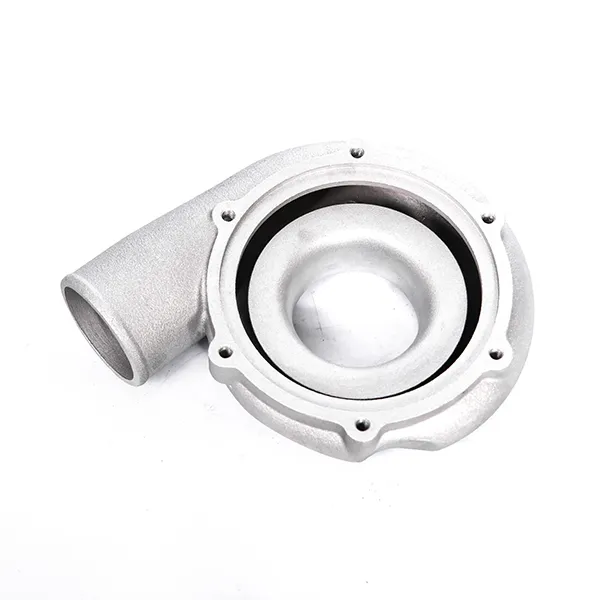
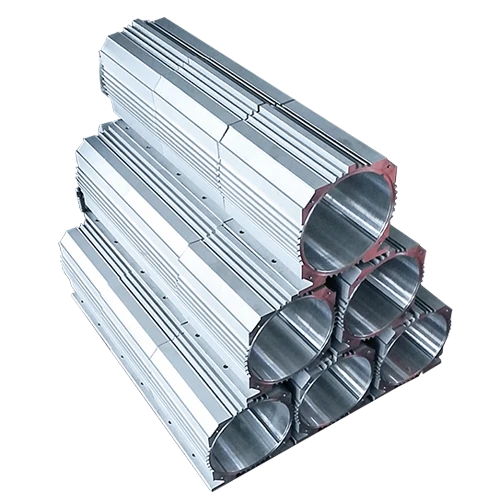
4. Vinyl End Caps With their unique blend of flexibility and strength, vinyl end caps are often used in scenarios where UV resistance and chemical stability are crucial. These end caps are used in outdoor applications, such as fencing or marine environments, due to their ability to withstand harsh weather conditions without degrading. Vinyl end caps are also appreciated for their snug fit and minimal maintenance requirements. 5. Threaded End Caps Designed for applications requiring secure fitting and easy removal, threaded end caps are commonly used in plumbing and shipbuilding. These caps offer a secure seal for pipes and tubes, preventing leaks and ensuring the integrity of fluid systems. Threaded end caps are available in various materials, including metal and high-strength polymers, to meet the specific demands of different environments. 6. Snap-On End Caps Offering a quick and easy solution for sealing tube or rod ends, snap-on end caps are widely appreciated in settings where tool-free assembly is beneficial. These are typically made from flexible plastics, allowing for swift application and removal. Industries such as retail displays and lightweight constructions often favor snap-on end caps for their ease of use and cost-effectiveness. 7. Custom End Caps In specialized applications, standard end caps may not provide the perfect solution. Custom end caps offer tailored fit and functionality, created to meet specific dimensions, material requirements, and environmental conditions. Industries such as aerospace, medical, and food processing often require custom solutions to ensure that end caps meet the high standards of safety and performance demanded by these fields. In conclusion, selecting the appropriate type of end cap can significantly influence the lifespan, safety, and performance of a product. By considering factors such as material compatibility, environmental conditions, and functional requirements, manufacturers and design engineers can make informed choices that enhance product quality and reliability. It's crucial to partner with reputable suppliers who offer high-quality end caps, ensuring that every component of your product meets the highest industry standards. Whether your focus is durability, aesthetics, or cost-efficiency, understanding these various end cap types allows you to optimize your product designs for the best possible outcomes.
Next:
Latest news
-
Choosing an Engine Storage Crate Cover for Material and EnvironmentNewsNov.23,2026
-
Cylinder Head Chamber Buyers: Check the Casting Specification FirstNewsNov.17,2026
-
How Impeller Casting Manufacturers Match Material, Process and EquipmentNewsNov.15,2026
-
Valve body vs. intake air chamber: Which casting fits your assembly?NewsNov.02,2026
-
Air Intake Chamber FAQ: Specifications, Ordering and Support QuestionsNewsOct.28,2026
-
Motorcycle Accessories FAQ: Specifications, Ordering and Support QuestionsNewsOct.24,2026
Related PRODUCTS










