English

Mobile:+86-311-808-126-83
Email:info@ydcastings.com
English
types of end caps
Types of End Caps A Comprehensive Guide
End caps are essential components used across various industries, serving crucial functions in product design, manufacturing, and material handling. These components are designed to cover or seal the ends of pipes, tubes, and other structures to protect their interior, enhance safety, and ensure a finished appearance. This article will explore the different types of end caps, their applications, and the materials commonly used in their production.
1. Plastic End Caps
Plastic end caps are widely used due to their lightweight nature and resistance to corrosion. They are often made from materials like polyethylene, PVC, and polypropylene. These end caps are particularly beneficial in the plumbing and electrical industries, where they serve to seal pipes and conduits, preventing debris from entering. Additionally, their cost-effectiveness and ease of installation make them an ideal choice for many applications, including furniture manufacturing, where they are used to cover exposed ends of metal tubing.
2. Metal End Caps
For more demanding applications, metal end caps provide greater strength and durability. Common materials include stainless steel, aluminum, and brass. These end caps are ideal for high-pressure systems and environments with extreme temperatures, such as in oil and gas industries, automotive applications, and construction projects. Metal end caps often have enhanced sealing features, such as welding or threading, to ensure a secure fit. Their resistance to physical damage and chemical exposure makes them suitable for an array of industrial settings.
3. Rubber End Caps
Rubber end caps are flexible and resilient, making them perfect for applications requiring vibration absorption or noise reduction. These caps are often employed in automotive engineering, where they cover exhaust pipes, preventing the loss of heat and reducing sound levels. Additionally, rubber end caps are used in various machinery and equipment to protect sensitive components during transit or storage. Their ability to conform to different shapes and sizes allows for versatility in design.
4
. Fiberglass End Capstypes of end caps
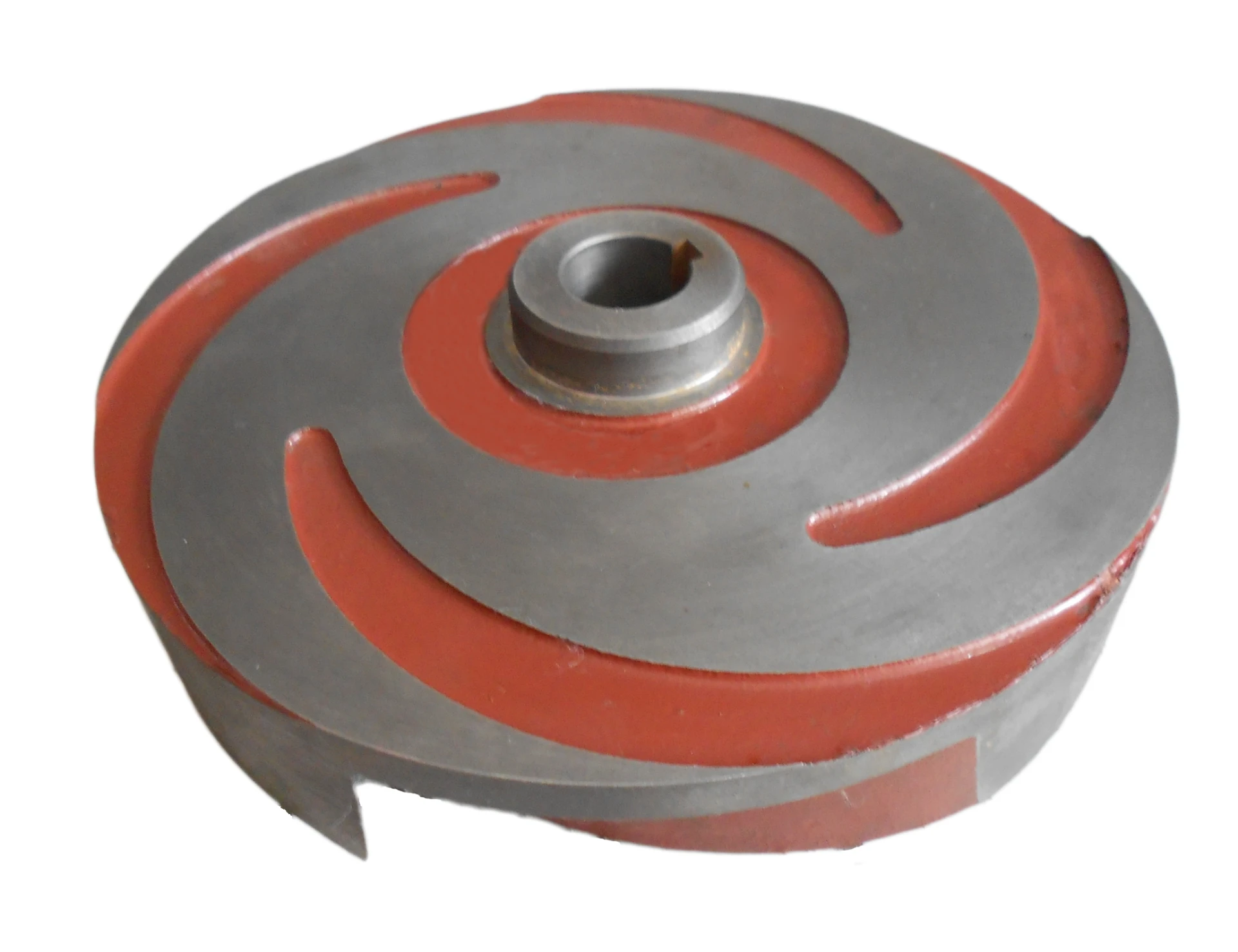
Fiberglass end caps are favored in situations where lightweight and corrosion resistance are paramount. They are commonly used in the construction of boats, tanks, and pipelines. The unique properties of fiberglass provide excellent insulation and withstand harsh environmental conditions. As such, they find applications in marine environments, chemical processing, and even in the aerospace industry.
5. Custom End Caps
With advancements in design and manufacturing technologies, custom end caps are increasingly available to meet specific needs. These caps can be designed to fit unique dimensions, shapes, or functions, often incorporating special features like vents, drainage holes, or branding. Custom end caps are valuable in niche applications across various industries, allowing companies to achieve particular aesthetic or functional goals.
6. Applications and Uses of End Caps
End caps play a vital role across a multitude of sectors. In construction, they provide a finished appearance to railings and other structures, improving safety by preventing sharp edges. In the plumbing sector, end caps are integral to enhancing leak-proof connections in pipes and fixtures. In the automotive industry, they protect exhaust systems and other components from contaminants and physical damage.
Moreover, in packaging and storage, end caps serve to secure products during transport, ensuring that items remain intact. They are regularly used in the manufacturing of furniture, electronics, and various consumer goods, enhancing durability and aesthetics.
Conclusion
Understanding the different types of end caps and their applications is crucial for making informed decisions in manufacturing and design. From plastic and metal to rubber and fiberglass, each type serves a unique purpose and offers specific advantages. Whether used in structural applications or protective roles, end caps are an integral part of ensuring functionality and safety in various products and systems. As industries continue to evolve, so too will the designs and materials used for end caps, reflecting the growing demand for innovation and efficiency in product development.
-
Advanced Manufacturing Technologies in Modern Industrial ProductionNewsMay.22,2026
-
Engine Oil Management Tools: Essential Solutions for Clean and Efficient Automotive MaintenanceNewsMay.22,2026
-
Car Water Pump Systems: Efficiency, Cleaning Applications, and Market OverviewNewsMay.22,2026
-
Industrial Valve Castings and Flow Control Solutions in Modern EngineeringNewsMay.22,2026
-
Aluminum End Caps and Compression Solutions: A Complete Guide for Modern ApplicationsNewsMay.22,2026
-
Precision Valve Castings for Agricultural Irrigation and Fluid Control SystemsNewsMay.08,2026