English

Mobile:+86-311-8081-2683
Email:info@ydcastings.com
English
Exploring Various Continuous Casting Techniques and Their Applications in Metal Production
Types of Continuous Casting Process
Continuous casting is a pivotal technique in the metallurgy industry, utilized primarily for the production of steel and other alloys. This process allows for the transformation of molten metal into solid shapes with uniform dimensions and properties, facilitating efficient manufacturing and reducing waste. Several types of continuous casting processes exist, each with its unique applications and advantages. In this article, we will explore the most common types of continuous casting processes the strand casting process, the slab casting process, the bloom casting process, and the thin slab casting process.
Strand Casting Process
The strand casting process is one of the most widely used methods in the metalworking industry. It involves pouring molten metal into a vertically aligned mold. As the metal solidifies, it is continuously pulled down through the mold by a series of rollers. This process produces long sections of solid metal, called strands, which can then be cut to length for further processing or use. Strand casting is favored for its efficiency; it minimizes the time from molten state to solid product, significantly reducing production costs and energy consumption. Furthermore, this method can produce a range of products, including billets, slabs, and blooms, depending on the mold shape and dimensions.
Slab Casting Process
The slab casting process is a specific type of strand casting that focuses on producing flat metal products, known as slabs. In this process, molten steel is poured into wide and shallow molds to create thick slabs that can later be rolled or processed into sheets and plates. Slab casting is particularly advantageous in producing materials for automotive and construction industries where uniform thickness and surface quality are crucial. It also optimizes cooling rates, ensuring better mechanical properties and a finer microstructure in the final slab products. The slabs can be further processed using hot rolling to create thinner sheets or essential structural components.
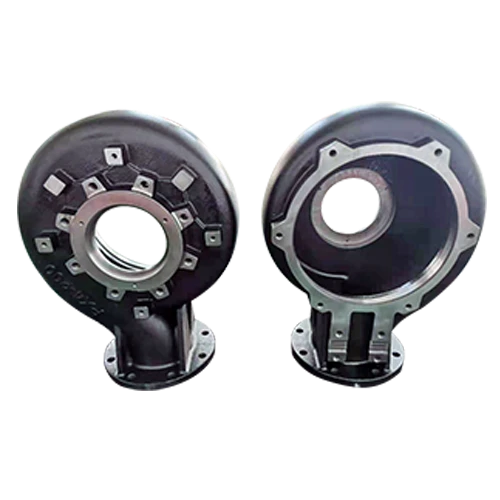
types of continuous casting process
Bloom Casting Process
Bloom casting is similar to slab casting but is tailored for producing structural shapes such as beams and columns. The process employs larger molds that yield a rectangular cross-section called a bloom. Like slab casting, the bloom casting process focuses on creating products that can later be rolled into structural shapes. This method allows for the efficient production of substantial sections of metal, which are pivotal in construction and heavy industries. By utilizing controlled cooling techniques, bloom casting ensures the quality and strength of the produced metal, making it suitable for demanding applications.
Thin Slab Casting Process
Thin slab casting is an innovative process that produces thinner slabs in a more streamlined method compared to traditional slab casting. In this technique, molten metal is cast into very thin slabs which can be processed directly into final products without extensive rolling. This approach is particularly advantageous in producing high-quality products with minimal energy use. Thin slab casting also enables the rapid production of high-strength, thin-walled components that meet modern standards for industries requiring lightweight materials with exceptional performance, such as aerospace and automotive sectors.
Conclusion
In summary, continuous casting processes play an essential role in the production of metals, enabling manufacturers to produce high-quality materials efficiently. The strand casting process provides versatility in producing various shapes, while slab, bloom, and thin slab casting cater to specific industrial needs. As technology advances, continuous casting processes are becoming increasingly refined, with a focus on increasing efficiency, reducing waste, and improving product quality. Understanding these different types of continuous casting is fundamental for professionals in the metallurgy field, as they dictate the methods used for producing the essential materials that fuel various industries worldwide.
-
Choosing an Engine Storage Crate Cover for Material and EnvironmentNewsNov.23,2026
-
Cylinder Head Chamber Buyers: Check the Casting Specification FirstNewsNov.17,2026
-
How Impeller Casting Manufacturers Match Material, Process and EquipmentNewsNov.15,2026
-
Valve body vs. intake air chamber: Which casting fits your assembly?NewsNov.02,2026
-
Air Intake Chamber FAQ: Specifications, Ordering and Support QuestionsNewsOct.28,2026
-
Motorcycle Accessories FAQ: Specifications, Ordering and Support QuestionsNewsOct.24,2026










