English

Mobile:+86-311-8081-2683
Email:info@ydcastings.com
English
types of agitator impellers
Types of Agitator Impellers
Agitator impellers play a crucial role in various industries, including chemical processing, pharmaceuticals, food and beverage, and wastewater treatment. They are designed to mix, stir, and disperse liquids, solids, or gases to achieve uniformity and enhance reaction rates. The selection of an appropriate agitator impeller is fundamental to the efficiency of these processes. This article outlines the main types of agitator impellers and their specific applications.
1. Axial Flow Impellers
Axial flow impellers are designed to push fluid parallel to the impeller shaft. This design promotes a high flow rate and efficient mixing across the tank. They are commonly used in applications requiring bulk movement of fluids, such as in the mixing of slurries, fermentation processes, and in reactors where mass transfer is critical. Common types of axial flow impellers include the propeller, marine propeller, and pitch blade turbine. These impellers are known for their ability to create a strong circulation pattern within the tank.
In contrast to axial flow impellers, radial flow impellers push fluid outwards from the center of the impeller, creating a radial flow pattern. This type of impeller is effective for applications involving dispersing solids in liquids or where high shear rates are required. Common examples include the flat blade turbine and hydrofoil impeller. Radial flow impellers are often seen in applications related to crystallization, chemical reactions, and agitation of high-viscosity fluids.
3. Mixed Flow Impellers
types of agitator impellers
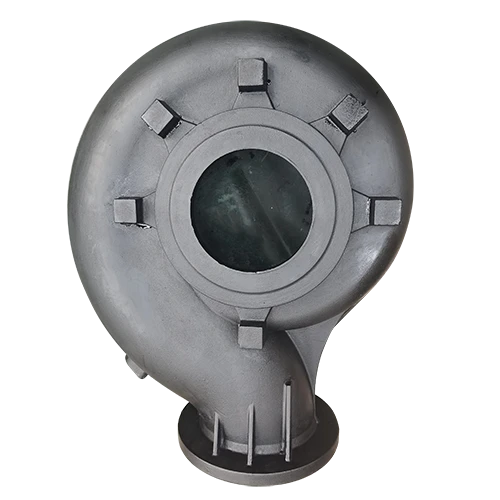
Mixed flow impellers combine both axial and radial flow characteristics, providing a balance between effective mixing and the ability to move fluids in multiple directions. These impellers are particularly useful in systems where both mixing and pumping actions are necessary. The helical ribbon and pitched-blade turbine are examples of mixed flow impellers. They are widely used in processes like the blending of various liquids, emulsification, and homogenization.
4. High Shear Impellers
High shear impellers are designed to create intense shear forces, facilitating the breakdown of solids and the dispersion of particles in a liquid. This makes them ideal for applications such as emulsification, homogenization, and the production of fine dispersions. Some common high shear impeller designs include the rotor-stator and colloid mill. These types of impellers are extensively used in the pharmaceutical industry and in the manufacture of paints, inks, and coatings.
5. Specialty Impellers
Some applications require specific designs tailored to unique mixing challenges. Specialty impellers may incorporate features such as baffles, adjustable blades, or unique geometries to enhance mixing efficiency, minimize vortex formation, or handle specific fluid characteristics. These impellers can be found in diverse settings, from biotech to food production, where compliance with stringent regulatory standards is required.
Conclusion
The selection of an agitator impeller type is a significant factor in the efficiency of mixing processes. Each type of impeller has its unique design, advantages, and application areas. Understanding the fluid dynamics and specific requirements of a process can assist engineers and operators in choosing the most suitable impeller, ultimately improving the performance of mixing operations across various industries. Whether you need a gentle mixing action or intense shear, the right agitator impeller can make all the difference in achieving optimal results.
-
Choosing an Engine Storage Crate Cover for Material and EnvironmentNewsNov.23,2026
-
Cylinder Head Chamber Buyers: Check the Casting Specification FirstNewsNov.17,2026
-
How Impeller Casting Manufacturers Match Material, Process and EquipmentNewsNov.15,2026
-
Valve body vs. intake air chamber: Which casting fits your assembly?NewsNov.02,2026
-
Air Intake Chamber FAQ: Specifications, Ordering and Support QuestionsNewsOct.28,2026
-
Motorcycle Accessories FAQ: Specifications, Ordering and Support QuestionsNewsOct.24,2026










