English

Mobile:+86-311-8081-2683
Email:info@ydcastings.com
English
turbo turbine housing
The Importance of Turbo Turbine Housing in Modern Engine Design
In the ever-evolving world of automotive engineering, the turbo turbine housing plays a critical role in enhancing engine performance and efficiency. As engines become more sophisticated, the design and construction of turbo turbine housing have also advanced significantly, leading to a variety of benefits for both manufacturers and consumers.
Turbochargers are integral components of many modern engines, particularly in vehicles aiming for better fuel efficiency and reduced emissions. At the heart of these turbochargers lies the turbo turbine housing. This housing is responsible for directing exhaust gases into the turbine, which then spins the compressor to draw in more air and create a boost. The efficiency of this process largely depends on the design and materials used in the turbo turbine housing.
One of the primary considerations in turbo turbine housing design is the material used in its construction
. Traditional materials like cast iron have been widely utilized due to their strength and ability to withstand high temperatures. However, many manufacturers are now turning to high-performance alloys and stainless steel, which offer improved thermal management and resistance to corrosion. These materials can handle the elevated temperatures generated by modern engines, resulting in improved durability and longevity.turbo turbine housing
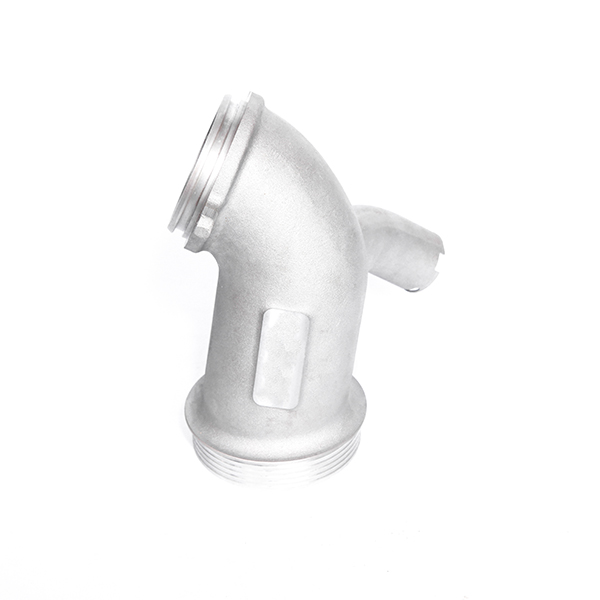
The design of the turbo turbine housing also plays a crucial role in performance. The geometry of the housing affects how exhaust gases flow through the turbine. An optimized design can minimize turbulence and back pressure, leading to a more efficient turbine operation. Many manufacturers use computational fluid dynamics (CFD) simulations to refine the design of the housing, ensuring that it maximizes airflow and enhances the overall efficiency of the turbocharger.
Moreover, the integration of turbo turbine housings in performance vehicles can lead to significant power gains. By forcing more air into the engine, turbochargers allow for more fuel to be burned, resulting in increased power output without a corresponding increase in engine displacement. This is particularly advantageous in the age of stringent emissions regulations, where manufacturers are tasked with delivering more performance while reducing pollutants.
In addition, the turbo turbine housing's design can influence the sound of the exhaust note, which is a critical feature for many car enthusiasts. The housing can be engineered to produce a distinctive turbo whistle or a throaty roar, contributing to the vehicle's overall character. This aspect of the design is particularly important for performance and sports vehicles, where the sound often adds to the driving experience.
In conclusion, the turbo turbine housing is a vital component in modern engine design, influencing performance, efficiency, and even the auditory experience of driving. As technology continues to advance, manufacturers are likely to explore new materials and designs that further enhance the capabilities of turbochargers. For automotive enthusiasts and everyday drivers alike, understanding the significance of turbo turbine housing can provide deeper insight into the engineering marvels that power today's vehicles. Emphasizing its role in boosting performance while complying with environmental standards highlights how innovation in this area continues to transform the automotive landscape.
-
Choosing an Engine Storage Crate Cover for Material and EnvironmentNewsNov.23,2026
-
Cylinder Head Chamber Buyers: Check the Casting Specification FirstNewsNov.17,2026
-
How Impeller Casting Manufacturers Match Material, Process and EquipmentNewsNov.15,2026
-
Valve body vs. intake air chamber: Which casting fits your assembly?NewsNov.02,2026
-
Air Intake Chamber FAQ: Specifications, Ordering and Support QuestionsNewsOct.28,2026
-
Motorcycle Accessories FAQ: Specifications, Ordering and Support QuestionsNewsOct.24,2026










