English

Mobile:+86-311-8081-2683
Email:info@ydcastings.com
English
Feb . 10, 2025 09:51
Back to list
cap for pipe end
Tubular end caps serve as integral components in various industrial and mechanical systems, offering precision and protection in a range of applications. As a key element in product design, the importance of selecting the right tubular end cap cannot be overstated, encompassing critical considerations such as material selection, compatibility, and application requirements.
Moreover, the trustworthiness and reliability of an enterprise providing tubular end caps hinge on a proven track record of successful implementations and customer satisfaction. Case studies and user testimonials serve as powerful endorsements, reflecting the credibility of the supplier. An ideal provider will showcase a spectrum of past projects, evidencing conformance to client specifications and highlighting the adaptability of their tubular end caps to diverse operating conditions. Beyond conventional uses, tubular end caps are increasingly finding a place in environmental and green applications. The renewable energy sector, particularly in solar and wind power, utilizes tubular end caps to protect critical components from the elements, extending equipment life and enhancing operational efficiency. This evolving application spectrum demonstrates an expert grasp of market trends and future-forward thinking. In conclusion, the value proposition of tubular end caps extends beyond their immediate functional capacity; they embody an intersection of material science, engineering precision, and regulatory compliance. Enterprises seeking to leverage these components must pursue a partnership with manufacturers who exemplify experience, expertise, authoritativeness, and trustworthiness, ensuring their products deliver optimal performance and longevity. Investing in superior tubular end caps ultimately represents a commitment to quality, safety, and innovation, vital attributes that underpin the sustainable success of industrial applications.
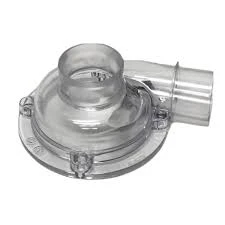

Moreover, the trustworthiness and reliability of an enterprise providing tubular end caps hinge on a proven track record of successful implementations and customer satisfaction. Case studies and user testimonials serve as powerful endorsements, reflecting the credibility of the supplier. An ideal provider will showcase a spectrum of past projects, evidencing conformance to client specifications and highlighting the adaptability of their tubular end caps to diverse operating conditions. Beyond conventional uses, tubular end caps are increasingly finding a place in environmental and green applications. The renewable energy sector, particularly in solar and wind power, utilizes tubular end caps to protect critical components from the elements, extending equipment life and enhancing operational efficiency. This evolving application spectrum demonstrates an expert grasp of market trends and future-forward thinking. In conclusion, the value proposition of tubular end caps extends beyond their immediate functional capacity; they embody an intersection of material science, engineering precision, and regulatory compliance. Enterprises seeking to leverage these components must pursue a partnership with manufacturers who exemplify experience, expertise, authoritativeness, and trustworthiness, ensuring their products deliver optimal performance and longevity. Investing in superior tubular end caps ultimately represents a commitment to quality, safety, and innovation, vital attributes that underpin the sustainable success of industrial applications.
Next:
Latest news
-
Choosing an Engine Storage Crate Cover for Material and EnvironmentNewsNov.23,2026
-
Cylinder Head Chamber Buyers: Check the Casting Specification FirstNewsNov.17,2026
-
How Impeller Casting Manufacturers Match Material, Process and EquipmentNewsNov.15,2026
-
Valve body vs. intake air chamber: Which casting fits your assembly?NewsNov.02,2026
-
Air Intake Chamber FAQ: Specifications, Ordering and Support QuestionsNewsOct.28,2026
-
Motorcycle Accessories FAQ: Specifications, Ordering and Support QuestionsNewsOct.24,2026
Related PRODUCTS










