English

Mobile:+86-311-8081-2683
Email:info@ydcastings.com
English
Feb . 16, 2025 06:35
Back to list
cap for pipe end
Tube end covers play an essential role in many industries, ranging from automotive and aerospace to construction and manufacturing. These small components, although often overlooked, are vital for maintaining the integrity, safety, and performance of tubular structures. As an expert in the field with years of experience, I've seen firsthand how the proper selection and application of tube end covers can make a significant difference.
From an authoritative standpoint, tube end covers must meet industry standards and regulations to ensure safety and reliability. In the aerospace industry, for example, covers must comply with strict guidelines that dictate their ability to withstand specific pressure and temperature ranges. Similarly, in the medical field, covers used in equipment must be sterilizable and adhere to health regulations to prevent biological contamination. Trust is another pillar supporting the widespread use of tube end covers. Users must be able to rely on their performance under all stated conditions. This trust is typically built through rigorous testing and quality assurance processes conducted by reputable manufacturers. Ensuring the traceability of materials and the transparency of manufacturing processes also adds to this trust. In conclusion, the role of tube end covers in industrial applications underscores the importance of combining real-world experience with expert knowledge to achieve optimal results. The careful selection, testing, and application of these covers enhance product longevity, performance, and safety, reinforcing their indispensable role across various sectors. As industries evolve and face new challenges, the innovation and expertise surrounding tube end covers will continue to advance, ensuring that these small components meet the demands of the future.
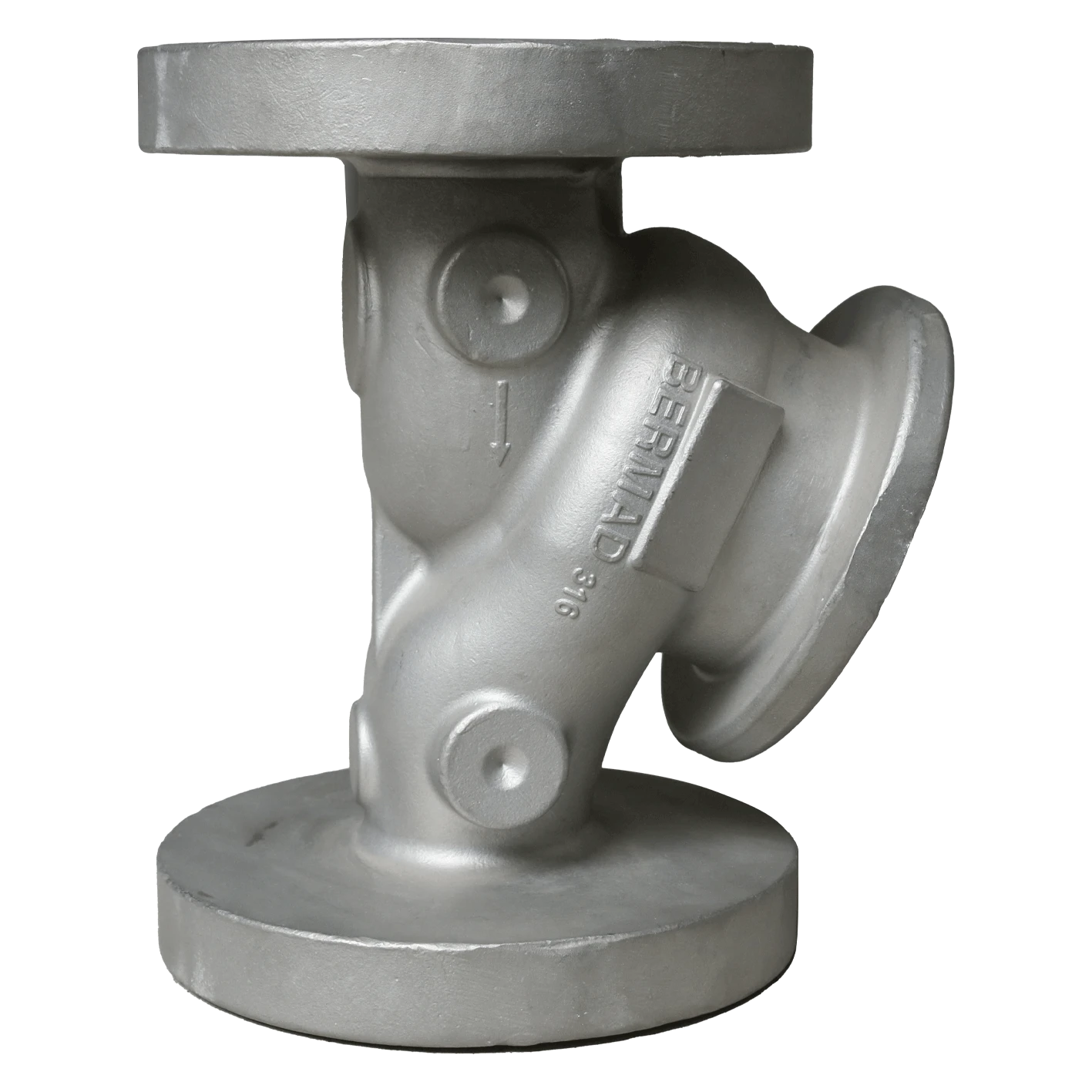
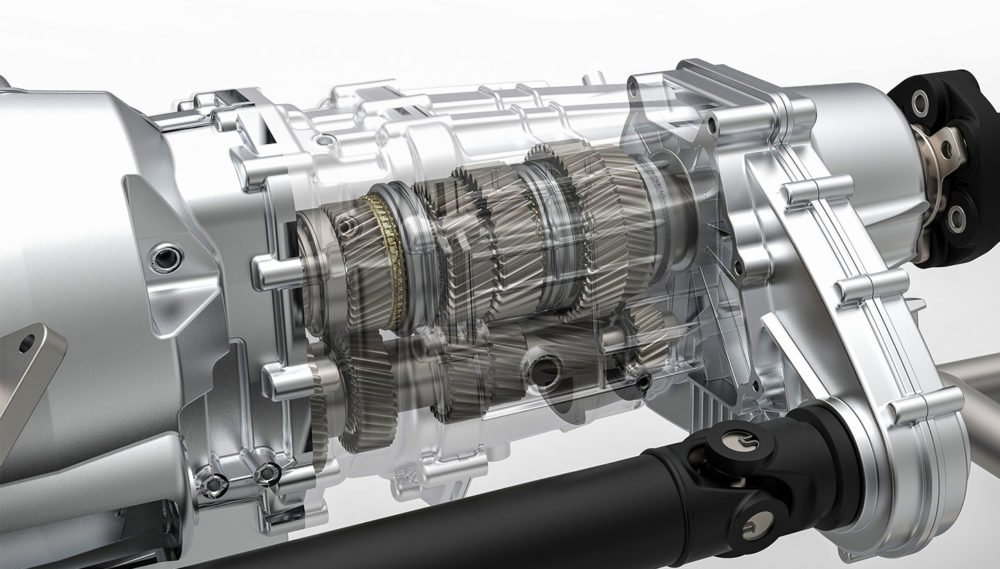
From an authoritative standpoint, tube end covers must meet industry standards and regulations to ensure safety and reliability. In the aerospace industry, for example, covers must comply with strict guidelines that dictate their ability to withstand specific pressure and temperature ranges. Similarly, in the medical field, covers used in equipment must be sterilizable and adhere to health regulations to prevent biological contamination. Trust is another pillar supporting the widespread use of tube end covers. Users must be able to rely on their performance under all stated conditions. This trust is typically built through rigorous testing and quality assurance processes conducted by reputable manufacturers. Ensuring the traceability of materials and the transparency of manufacturing processes also adds to this trust. In conclusion, the role of tube end covers in industrial applications underscores the importance of combining real-world experience with expert knowledge to achieve optimal results. The careful selection, testing, and application of these covers enhance product longevity, performance, and safety, reinforcing their indispensable role across various sectors. As industries evolve and face new challenges, the innovation and expertise surrounding tube end covers will continue to advance, ensuring that these small components meet the demands of the future.
Next:
Latest news
-
Choosing an Engine Storage Crate Cover for Material and EnvironmentNewsNov.23,2026
-
Cylinder Head Chamber Buyers: Check the Casting Specification FirstNewsNov.17,2026
-
How Impeller Casting Manufacturers Match Material, Process and EquipmentNewsNov.15,2026
-
Valve body vs. intake air chamber: Which casting fits your assembly?NewsNov.02,2026
-
Air Intake Chamber FAQ: Specifications, Ordering and Support QuestionsNewsOct.28,2026
-
Motorcycle Accessories FAQ: Specifications, Ordering and Support QuestionsNewsOct.24,2026
Related PRODUCTS










