English

Mobile:+86-311-8081-2683
Email:info@ydcastings.com
English
Troubleshooting Broken Exhaust Manifold Bolt Issues in Your Vehicle
The Dilemma of a Broken Exhaust Manifold Bolt Solutions and Prevention
When it comes to automotive repair, few issues elicit as much frustration as a broken exhaust manifold bolt. An exhaust manifold is a crucial component of your vehicle’s engine system, designed to collect and direct exhaust gases away from the engine and into the exhaust system. Unfortunately, over time, these bolts may become corroded, wear down, or even break due to excessive heat and strain. This article explores the implications of a broken exhaust manifold bolt, how to address the problem, and preventive measures.
Understanding the Issue
A broken exhaust manifold bolt often leads to a series of problems. The most immediate concern is an increase in exhaust leaks, which can cause a noticeable change in engine performance. Drivers may experience a decrease in power, increased fuel consumption, and a loud, unpleasant noise originating from the engine. Moreover, exhaust leaks can lead to serious safety issues, such as the potential for harmful exhaust gases, including carbon monoxide, to enter the passenger compartment.
Additionally, if a broken bolt is left unfixed, it can cause further damage to surrounding components. For instance, exhaust gases may continue to escape, leading to deterioration of the exhaust manifold itself, or even damaging the cylinder head or the head gasket—repairs that can be significantly more costly.
Diagnosing the Problem
Identifying a broken exhaust manifold bolt requires careful observation and, in many cases, a visual inspection. Signs of a problem might include unusual sounds from the engine, poor acceleration, or warning lights on the dashboard. A mechanic typically conducts a thorough inspection, often using tools such as a stethoscope to detect exhaust leaks or performing a smoke test to pinpoint the source of the issue.
Repair Solutions
Once the problem has been diagnosed, the next step is repairing the broken bolt. This process can vary depending on the severity of the break and its location
1. Removing the Broken Bolt This can be a complex task, especially if the bolt has sheared off inside the manifold. Different techniques can be employed, such as using an easy-out extractor, heating the area around the bolt, or drilling it out entirely.
2. Re-Tapping the Hole If the bolt was removed successfully, the next step involves re-tapping the hole to ensure it can accommodate a new bolt securely.
ls1 broken exhaust manifold bolt
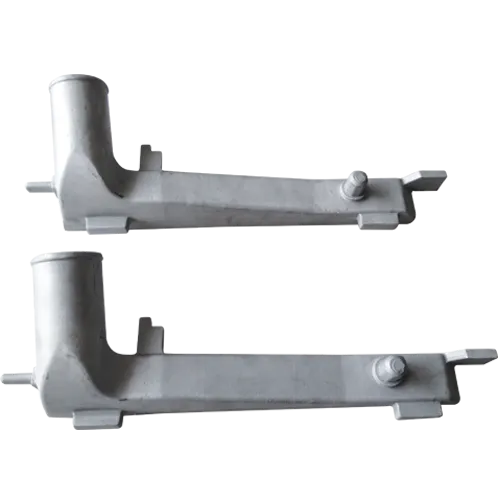
3. Replacing the Bolt Finally, a new, high-quality bolt should be installed. It is often advisable to use heat-resistant bolts to prevent future breakage.
4. Associated Repairs In some cases, it may be prudent to inspect adjacent components for wear or damage. If repairs are needed, handling these at the same time can save time and money.
Prevention Strategies
Preventing a broken exhaust manifold bolt from occurring in the first place is the ideal scenario. Here are a few strategies
1. Regular Inspections Regular engine check-ups can help catch potential issues before they escalate into significant problems.
2. Use of Anti-Seize Compounds When replacing bolts, applying anti-seize lubricant can help prevent galling of the threads and make future removal easier.
3. Proper Maintenance Keeping the engine well-tuned and performing regular oil changes can help minimize wear and tear on engine components, including the manifold bolts.
4. Monitor Engine Temperatures Overheating can lead to increased stress on the manifold and its bolts. Keeping an eye on your vehicle’s temperature gauge can aid in preventing overheating problems.
Conclusion
A broken exhaust manifold bolt is a common but serious issue that requires immediate attention. Understanding the implications of this problem, effectively diagnosing it, and implementing both repair and prevention strategies can save vehicle owners time, money, and hassle in the long run. By staying proactive with maintenance and repairs, you can ensure your vehicle runs smoothly and safely for years to come.
-
Choosing an Engine Storage Crate Cover for Material and EnvironmentNewsNov.23,2026
-
Cylinder Head Chamber Buyers: Check the Casting Specification FirstNewsNov.17,2026
-
How Impeller Casting Manufacturers Match Material, Process and EquipmentNewsNov.15,2026
-
Valve body vs. intake air chamber: Which casting fits your assembly?NewsNov.02,2026
-
Air Intake Chamber FAQ: Specifications, Ordering and Support QuestionsNewsOct.28,2026
-
Motorcycle Accessories FAQ: Specifications, Ordering and Support QuestionsNewsOct.24,2026










