English

Mobile:+86-311-808-126-83
Email:info@ydcastings.com
English
Optimizing Performance in TD05 Turbine Housings for Enhanced Engine Efficiency
The Importance of TD05 20 Turbine Housing in Turbocharged Systems
Turbocharging has revolutionized the performance of internal combustion engines by significantly increasing the power output without a corresponding increase in engine displacement. In this context, the TD05 20 turbine housing emerges as a critical component that influences the efficiency and effectiveness of turbocharged systems. Understanding its design, functionality, and impact on engine performance can enhance the overall tuning of vehicles equipped with turbochargers.
What is TD05 20 Turbine Housing?
The TD05 20 turbine housing is part of the TD05 turbocharger series, renowned for its ability to deliver substantial power boosts, particularly in four-cylinder and small displacement engines. The designation “TD05” refers to the turbocharger model, while “20” typically indicates the size of the turbine housing outlet, which can affect the turbo's flow characteristics and performance.
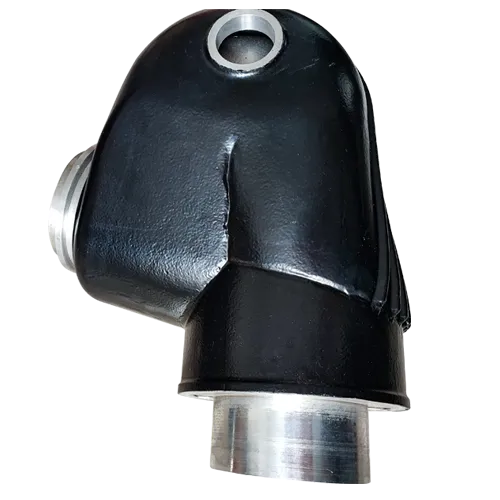
Constructed from durable materials that can withstand high temperatures and pressures, the TD05 20 turbine housing features an integrated design that houses both the turbine wheel and the exhaust gas inlet. This configuration allows for the optimal expulsion of exhaust gases, which is essential for driving the turbine and, consequently, generating boost pressure in the intake manifold.
Key Features of the TD05 20 Turbine Housing
1. Material Quality The turbine housing is usually made from high-grade cast iron or stainless steel, providing resistance to thermal stress and corrosion. This durability ensures longevity even in harsh operating conditions.
2. Size and Design The dimensions of the TD05 20 turbine housing are engineered to strike a balance between quick spool-up times and top-end power. A well-designed housing can enhance airflow, minimize turbo lag, and maximize the overall efficiency of the turbocharger.
3. Machining Precision High-quality machining is crucial for ensuring that the housing fits perfectly onto the turbine and provides a smooth pathway for exhaust gases. Any discrepancies in the fit can lead to inefficiencies or even catastrophic failure.
td05 turbine housing
Performance Implications
The selection of a TD05 20 turbine housing can dramatically influence how a turbocharged engine performs. Here are several aspects where it has a noticeable impact
1. Boost Response Due to its specific design, the TD05 20 allows for rapid spool-up under low RPMs, making it a favorable choice for tuning enthusiasts who seek immediate throttle response.
2. Power Band Optimization The housing enables the engine to maintain a robust power band, ensuring that drivers experience continuous power delivery across various RPM ranges, particularly useful in motorsport applications.
3. Exhaust Flow Efficiency By optimizing the pathway through which exhaust gases flow, the TD05 20 turbine housing can enhance the turbo's ability to produce boost, thus improving power output without necessitating additional modifications.
4. Tuning Flexibility The housing's characteristics allow for various tuning options, enabling enthusiasts to customize their setups according to specific performance goals, whether for street use or competitive racing.
Conclusion
In the world of turbocharging, the TD05 20 turbine housing stands out as an essential component that can define the performance capabilities of a turbocharged engine. Its robust construction, thoughtful design, and precise engineering contribute to improved boost response, power delivery, and overall efficiency. For automotive enthusiasts and performance tuners alike, choosing the right turbine housing is a fundamental step in maximizing the potential of turbocharged systems. As vehicle performance continues to evolve, understanding the nuances behind components like the TD05 20 will remain crucial for anyone looking to enhance their engine's capabilities. With continuous advancements in technology and materials, the future of turbocharging promises even greater possibilities for performance enhancement in the automotive industry.
-
Precision Valve Castings for Agricultural Irrigation and Fluid Control SystemsNewsMay.08,2026
-
Precision Impeller and Compressor Components for Agricultural MachineryNewsMay.08,2026
-
Essential Cast Components for Agricultural Machinery: Oil Management and Motor ProtectionNewsMay.08,2026
-
High-Performance Cast Components for Agricultural Machinery: From Cooling to Exhaust SystemsNewsMay.08,2026
-
Agricultural Valve Castings: Durable Flow Control Solutions for Farm Irrigation SystemsNewsMay.08,2026
-
High-Performance Agricultural Pump Components: Precision Castings for Reliable Farm OperationsNewsMay.08,2026