English

Mobile:+86-311-8081-2683
Email:info@ydcastings.com
English
Feb . 15, 2025 16:24
Back to list
Pump Body
In the intricate world of automotive engineering, the turbo compressor housing stands as a cornerstone for efficient vehicle performance. Experience in tapping turbo compressor housing reveals its intricacies and vital role in enhancing engine productivity and reliability. This component, typically crafted from durable materials like aluminum alloys, acts as the casing that protects and directs the compressed air produced by the turbocharger into the engine, increasing its power output.
Trust plays a significant role when sourcing or dealing with turbo compressor housings. Manufacturers with years of experience build their reputations by not only focusing on the precision of tapping processes but also on after-sales services and client education. They often provide comprehensive manuals and training sessions to ensure that every handling and installation step is known and executed correctly by engineers and mechanics. This transparency and commitment to customer satisfaction bolster trust and foster long-term business relationships. The dynamics of the automotive industry continually evolve, influenced by technological advancements and environmental considerations. Turbocharger systems are no exception. With the growing emphasis on fuel efficiency and emission reduction, future developments in turbo compressor housing will likely focus on lightweight materials and innovative designs. Engineers are exploring composite materials that offer the same, if not better, resilience as traditional metals but weigh considerably less, contributing to overall vehicle efficiency. In summary, the tapping of a turbo compressor housing is more than a mere manufacturing step; it is a testament to the precision, expertise, and reliability demanded by today’s automotive industry. For those seeking to delve into this field, understanding the nuances of each process stage is essential. As automotive technology progresses, the focus remains on optimizing each component to meet the rising standards of performance and sustainability. This commitment to excellence and innovation ensures that the turbo compressor housing not only meets current demands but also sets the stage for future advancements.
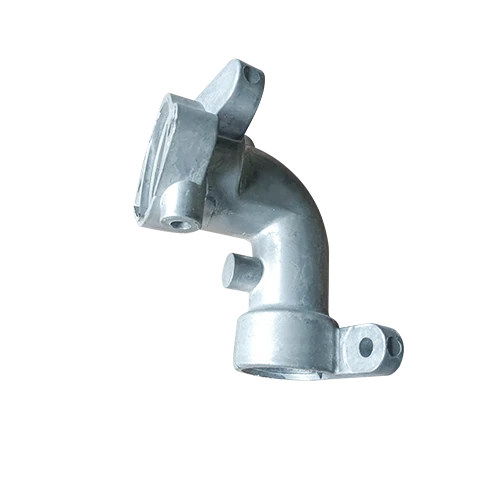
Trust plays a significant role when sourcing or dealing with turbo compressor housings. Manufacturers with years of experience build their reputations by not only focusing on the precision of tapping processes but also on after-sales services and client education. They often provide comprehensive manuals and training sessions to ensure that every handling and installation step is known and executed correctly by engineers and mechanics. This transparency and commitment to customer satisfaction bolster trust and foster long-term business relationships. The dynamics of the automotive industry continually evolve, influenced by technological advancements and environmental considerations. Turbocharger systems are no exception. With the growing emphasis on fuel efficiency and emission reduction, future developments in turbo compressor housing will likely focus on lightweight materials and innovative designs. Engineers are exploring composite materials that offer the same, if not better, resilience as traditional metals but weigh considerably less, contributing to overall vehicle efficiency. In summary, the tapping of a turbo compressor housing is more than a mere manufacturing step; it is a testament to the precision, expertise, and reliability demanded by today’s automotive industry. For those seeking to delve into this field, understanding the nuances of each process stage is essential. As automotive technology progresses, the focus remains on optimizing each component to meet the rising standards of performance and sustainability. This commitment to excellence and innovation ensures that the turbo compressor housing not only meets current demands but also sets the stage for future advancements.
Next:
Latest news
-
Choosing an Engine Storage Crate Cover for Material and EnvironmentNewsNov.23,2026
-
Cylinder Head Chamber Buyers: Check the Casting Specification FirstNewsNov.17,2026
-
How Impeller Casting Manufacturers Match Material, Process and EquipmentNewsNov.15,2026
-
Valve body vs. intake air chamber: Which casting fits your assembly?NewsNov.02,2026
-
Air Intake Chamber FAQ: Specifications, Ordering and Support QuestionsNewsOct.28,2026
-
Motorcycle Accessories FAQ: Specifications, Ordering and Support QuestionsNewsOct.24,2026
Related PRODUCTS










