English

Mobile:+86-311-8081-2683
Email:info@ydcastings.com
English
Feb . 12, 2025 15:25
Back to list
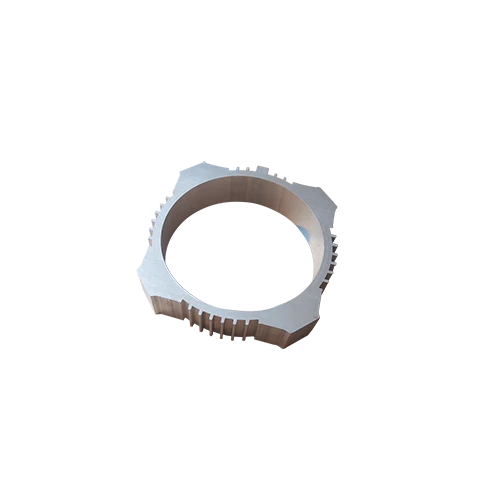
Motor shell housing
For homeowners with basements or areas prone to flooding, sump pumps are essential devices for managing excess water. The seamless functioning of these devices, however, greatly depends on the efficiency of components like the sump pump discharge hose connector. This small, yet critical component, plays a pivotal role in ensuring that water is effectively directed and discharged away from your home's foundation. Understanding its intricacies can lead to not only optimal sump pump performance but also enhanced longevity for the device.
Ensuring trustworthiness involves installation practices that avoid shortcuts and prioritize meticulous attention to detail. A correctly installed sump pump discharge hose connector should exhibit no signs of leakage. Regular inspections should be scheduled to check the integrity of the connection, especially after heavy usage periods such as after storms. It’s a good practice to keep a spare connector on-hand. In the event of any damage or wear, immediate replacement mitigates the risk of basement flooding. Finally, educating oneself about common issues and maintenance tips extends the life and functionality of the sump pump system. Problems such as hose detachment or connector rust are preventable through regular maintenance and informed component selection. An informed do-it-yourself enthusiast or a local plumber familiar with the intricacies of sump systems can both offer invaluable insights. In conclusion, the sump pump discharge hose connector, although often overlooked, is a crucial component ensuring the effective removal of water away from your home. Through careful selection, installation, and maintenance, you enhance the efficiency and lifespan of your sump pump system, safeguarding your home against water damage. Adopting a strategic approach to this small, but significant component, results in long-term peace of mind, especially during inclement weather conditions.

Ensuring trustworthiness involves installation practices that avoid shortcuts and prioritize meticulous attention to detail. A correctly installed sump pump discharge hose connector should exhibit no signs of leakage. Regular inspections should be scheduled to check the integrity of the connection, especially after heavy usage periods such as after storms. It’s a good practice to keep a spare connector on-hand. In the event of any damage or wear, immediate replacement mitigates the risk of basement flooding. Finally, educating oneself about common issues and maintenance tips extends the life and functionality of the sump pump system. Problems such as hose detachment or connector rust are preventable through regular maintenance and informed component selection. An informed do-it-yourself enthusiast or a local plumber familiar with the intricacies of sump systems can both offer invaluable insights. In conclusion, the sump pump discharge hose connector, although often overlooked, is a crucial component ensuring the effective removal of water away from your home. Through careful selection, installation, and maintenance, you enhance the efficiency and lifespan of your sump pump system, safeguarding your home against water damage. Adopting a strategic approach to this small, but significant component, results in long-term peace of mind, especially during inclement weather conditions.
Next:
Latest news
-
Choosing an Engine Storage Crate Cover for Material and EnvironmentNewsNov.23,2026
-
Cylinder Head Chamber Buyers: Check the Casting Specification FirstNewsNov.17,2026
-
How Impeller Casting Manufacturers Match Material, Process and EquipmentNewsNov.15,2026
-
Valve body vs. intake air chamber: Which casting fits your assembly?NewsNov.02,2026
-
Air Intake Chamber FAQ: Specifications, Ordering and Support QuestionsNewsOct.28,2026
-
Motorcycle Accessories FAQ: Specifications, Ordering and Support QuestionsNewsOct.24,2026
Related PRODUCTS










