English

Mobile:+86-311-808-126-83
Email:info@ydcastings.com
English
suction impeller
Understanding Suction Impellers Design, Function, and Applications
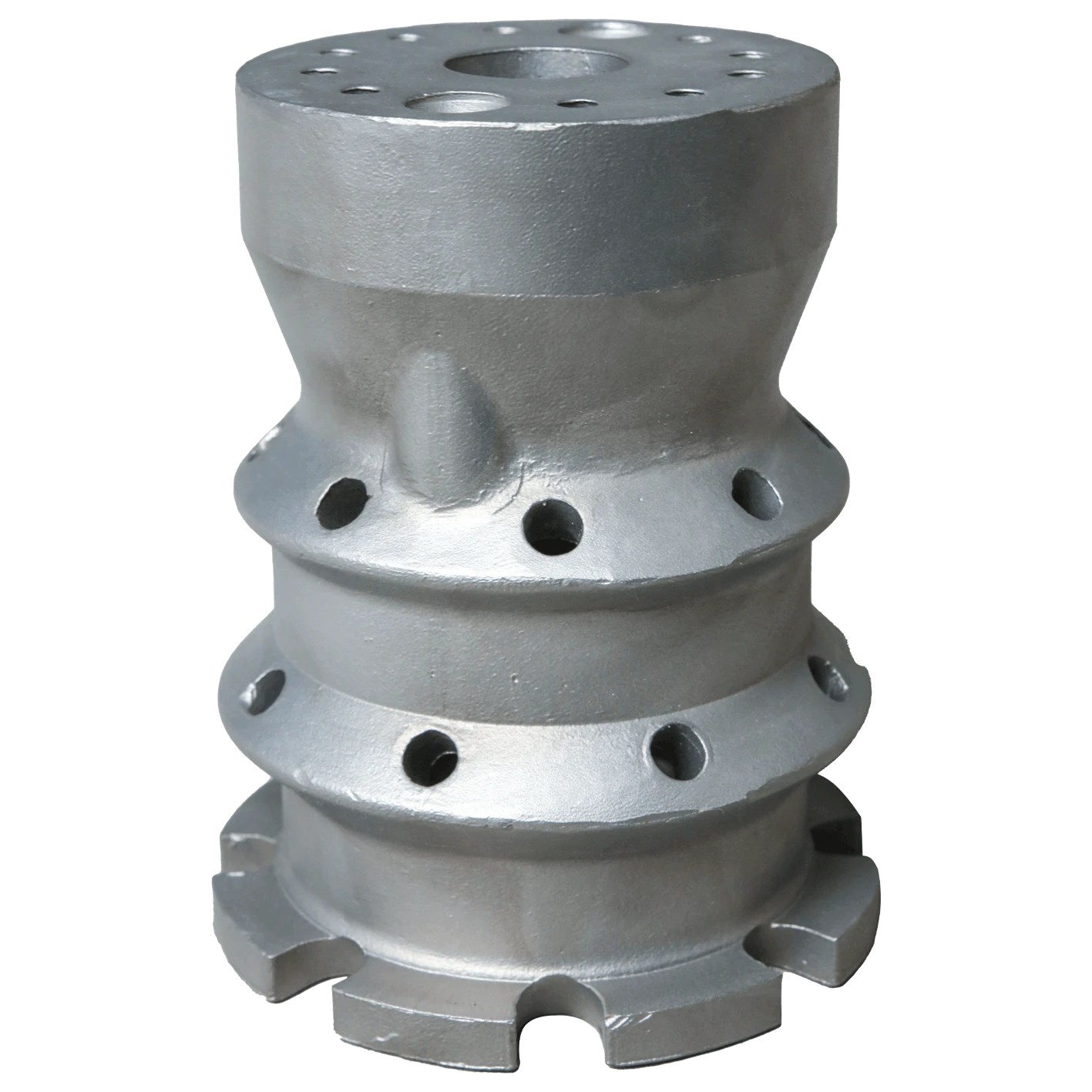
Suction impellers are crucial components in various rotating machinery, particularly in pumps and turbomachinery. As a type of device responsible for the movement of fluids, suction impellers facilitate the transition of energy from mechanical form—to fluid form—efficiently. Their design and functionality can significantly influence the performance, capacity, and reliability of the equipment they serve.
The Basics of Suction Impellers
At a fundamental level, a suction impeller is designed to create a low-pressure area in the inlet region, allowing fluid to flow into the impeller. This flow is primarily governed by the principles of fluid dynamics, which dictate how different shapes and configurations can manipulate the movement of fluids. Typically, an impeller has a series of blades arranged circumferentially around a hub. As the hub rotates, the blades push against the fluid, inducing flow.
The critical characteristic of suction impellers is their ability to efficiently draw liquids into the system. This performance is often quantified through parameters like the suction lift or net positive suction head (NPSH), both of which assess the impeller's effectiveness under different operational conditions.
Design Considerations
When designing a suction impeller, engineers must consider several factors. First and foremost, the geometry of the impeller blades plays a pivotal role. Blade shape, angle, and curvature must be optimized to ensure that the fluid enters the impeller smoothly, minimizing turbulence that can lead to cavitation—a phenomenon that can cause severe damage to pumping equipment.
Another important consideration is the material from which the impeller is constructed. The choice of material impacts not only the durability and corrosion resistance of the impeller but also affects its weight and the overall efficiency of the pump or machinery. Common materials include stainless steel, bronze, and various high-performance polymers.
Performance Metrics
Evaluating the performance of suction impellers involves several key metrics. One of the most critical is suction performance, often represented as suction lift—a measure of how high the impeller can lift the fluid from a source. Additionally, NPSH is crucial, as it indicates the pressure required to avoid cavitation. If NPSH available (NPSHa) is less than NPSH required (NPSHr), the risk of cavitation becomes significant, potentially leading to operational failures.
suction impeller
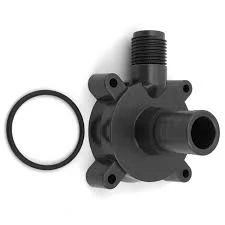
Performance testing in real-world scenarios is essential, as theoretical designs may not always translate effectively to field conditions. Engineers often utilize computational fluid dynamics (CFD) simulations to optimize designs before actual manufacturing and testing.
Applications of Suction Impellers
Suction impellers find applications across a wide range of industries, from water supply and wastewater treatment to chemical processing, oil and gas, and even food and beverage production. In municipal water systems, for instance, suction impellers in centrifugal pumps are used to draw water from reservoirs or wells. They must be designed to ensure high reliability and efficiency since these systems must operate continuously to meet the demands of residents.
In the industrial sector, suction impellers play a vital role in transporting chemicals, flammable liquids, and other materials. Here, their design must accommodate the specific properties of the fluids being handled, including viscosity, temperature, and potential corrosiveness. By doing so, they help improve process efficiency and reduce downtime.
Future Trends and Innovations
As industries continue to evolve, the importance of efficient and reliable suction impellers becomes increasingly critical. The drive for sustainability and energy efficiency is pushing manufacturers to innovate, leading to the development of advanced materials and designs that reduce energy consumption while maximizing performance.
Moreover, the integration of IoT technologies in machinery is paving the way for smarter pumps equipped with sensors that monitor performance in real-time, allowing for predictive maintenance and reduced operational costs.
Conclusion
In conclusion, suction impellers are a fundamental aspect of fluid handling in numerous applications. Their design intricacies, performance metrics, and material choices significantly influence the effectiveness and reliability of the systems they serve. As technology advances, the development of more efficient suction impellers will continue to play a crucial role in a wide range of industries, ensuring efficient fluid movement without compromising safety or performance. Understanding their function and ongoing innovations will remain essential for engineers and technical professionals in the field.
-
Advanced Manufacturing Technologies in Modern Industrial ProductionNewsMay.22,2026
-
Engine Oil Management Tools: Essential Solutions for Clean and Efficient Automotive MaintenanceNewsMay.22,2026
-
Car Water Pump Systems: Efficiency, Cleaning Applications, and Market OverviewNewsMay.22,2026
-
Industrial Valve Castings and Flow Control Solutions in Modern EngineeringNewsMay.22,2026
-
Aluminum End Caps and Compression Solutions: A Complete Guide for Modern ApplicationsNewsMay.22,2026
-
Precision Valve Castings for Agricultural Irrigation and Fluid Control SystemsNewsMay.08,2026