English

Mobile:+86-311-8081-2683
Email:info@ydcastings.com
English
successful cold casting and mould making
Successful Cold Casting and Mould Making A Comprehensive Guide
Cold casting and mould making are essential techniques widely used in various fields, including art, manufacturing, and product design. Unlike traditional casting methods, cold casting involves the use of a cold-setting resin that allows for flexibility and creativity, making it an attractive option for artisans and industrial designers alike. In this article, we will explore the key elements of successful cold casting and mould making, ensuring you have the knowledge to create stunning pieces.
Understanding Cold Casting
Cold casting is a process that combines a resin with powdered metals, such as bronze, aluminum, or brass, to create objects that have the appearance of metal without the challenges associated with high-heat metal casting. This method is particularly beneficial for artists who want to produce sculptures or decorative items with an authentic metallic look while maintaining lower production costs and simplified processes.
Choosing the Right Materials
Successful cold casting begins with selecting the appropriate materials. The two primary components are the resin and the metal powder. The resin should be a high-quality polyurethane or epoxy that cures at room temperature. Metal powders range from fine to coarse, allowing you to achieve different textures and finishes. For instance, finer powders may yield a smoother finish, while coarser particles can create a more rustic appearance.
Preparing the Mould
Creating a good mould is pivotal in ensuring high-quality castings. Here are key steps to prepare your mould effectively
1. Mould Material Selection Choose a flexible silicone rubber or a durable plaster for the mould making. Silicone is preferable for intricate designs due to its flexibility and detail capture.
2. Design and Create the Original Model Your original model is the blueprint for your casting. Ensure that it is free of any imperfections, as these will be replicated in the final piece.
3. Mould Release Agent Always apply a mould release agent to your original model before pouring the silicone or plaster. This step prevents the mould from sticking to the model, making it easier to remove.
4. Pouring the Mould Carefully pour your moulding material over the original model, ensuring it fills all cavities and captures every detail. Use a vacuum chamber if necessary to eliminate air bubbles.
successful cold casting and mould making
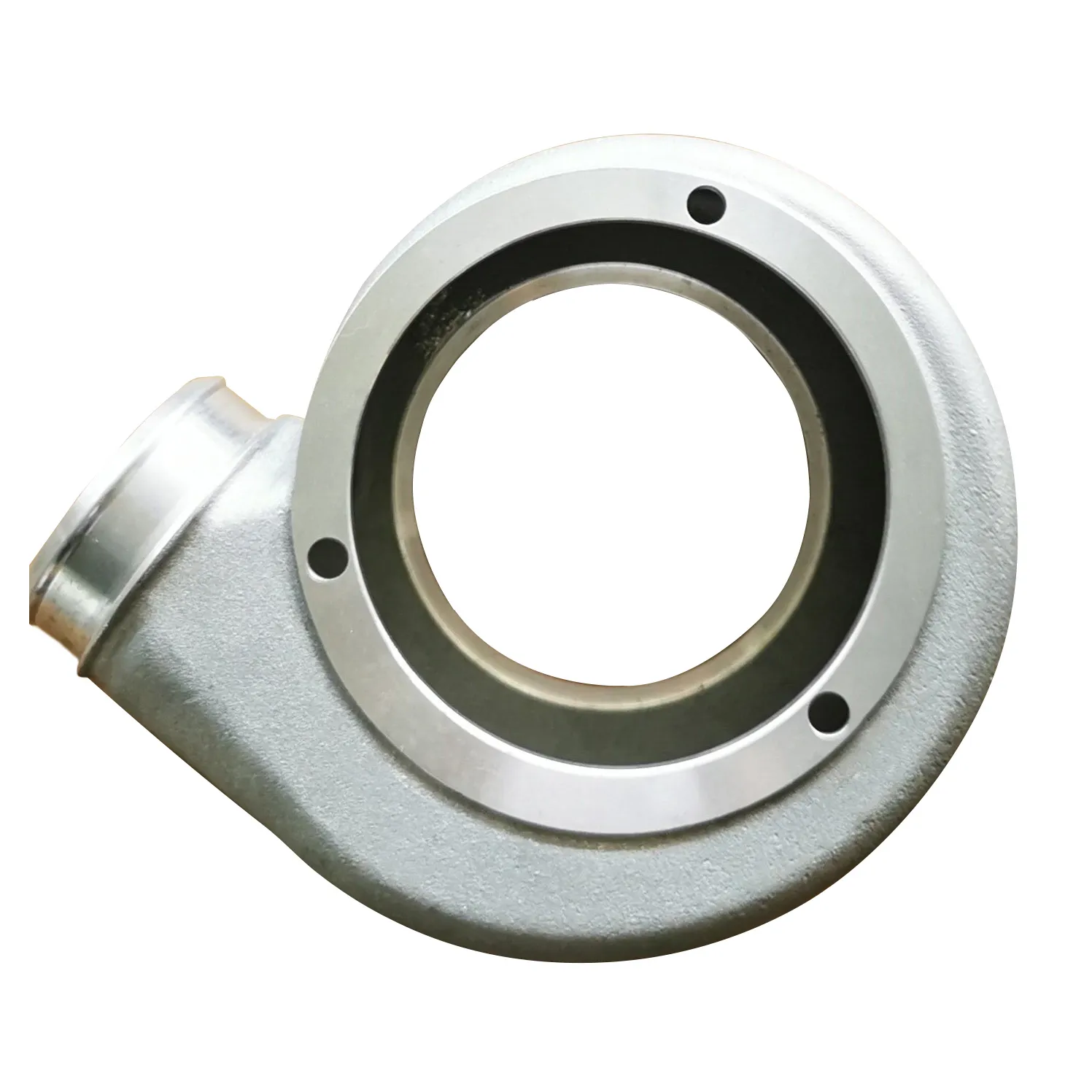
5. Curing Allow the mould to cure completely as per the manufacturer’s instructions. Curing time can vary based on the moulding material used.
Mixing and Pouring the Cold Casting Resin
Once your mould is ready, it’s time to prepare the cold casting mixture.
1. Mixing Ratios Check the manufacturer’s guidelines for the specific resin and metal powder you are using. A typical ratio is about 70% metal powder and 30% resin, but this can vary depending on desired results.
2. Mixing Techniques Mix the resin and metal powder thoroughly to achieve a homogeneous mixture. Stir slowly to minimize air inclusion.
3. Pouring into the Mould Slowly pour the mixture into the prepared mould, filling it to the desired level. It's advisable to start from one side to prevent trapping air bubbles.
Curing and Finishing Touches
After pouring, allow the casting to cure according to the resin's specifications. Once cured, carefully demould the casting.
1. Sanding and Polishing Depending on the finish you desire, sanding the surface might be necessary. Start with coarse sandpaper and gradually move to finer grits for a polished effect.
2. Sealing Consider applying a sealant or lacquer to enhance durability and protect the surface from scratches and tarnishing.
Conclusion
Mastering cold casting and mould making can open up a world of creative possibilities. By carefully selecting materials, preparing high-quality moulds, and executing precise mixing and pouring techniques, you can achieve stunning results that showcase the beauty of cold casting. Whether for artistic expression or practical applications, the skills you develop in this craft will enhance your expertise and allow you to bring your unique visions to life. Practice, patience, and attention to detail are key ingredients in your journey toward successful cold casting.
-
Choosing an Engine Storage Crate Cover for Material and EnvironmentNewsNov.23,2026
-
Cylinder Head Chamber Buyers: Check the Casting Specification FirstNewsNov.17,2026
-
How Impeller Casting Manufacturers Match Material, Process and EquipmentNewsNov.15,2026
-
Valve body vs. intake air chamber: Which casting fits your assembly?NewsNov.02,2026
-
Air Intake Chamber FAQ: Specifications, Ordering and Support QuestionsNewsOct.28,2026
-
Motorcycle Accessories FAQ: Specifications, Ordering and Support QuestionsNewsOct.24,2026










