English

Mobile:+86-311-808-126-83
Email:info@ydcastings.com
English
submersible pump impeller price
Understanding the Pricing of Submersible Pump Impellers
Submersible pumps are crucial components in various applications, from agricultural irrigation to wastewater management and industrial processes. Central to their operation is the impeller, a device designed to increase the pressure and flow of water. As the demand for submersible pumps continues to grow, understanding the pricing of submersible pump impellers becomes essential for businesses and consumers alike. This article delves into the factors influencing the price, typical price ranges, and the importance of selecting the right impeller for specific applications.
Factors Affecting Impeller Prices
1. Material Composition The materials used in the manufacture of submersible pump impellers significantly impact their cost. Common materials include stainless steel, cast iron, thermoplastics, and specialized alloys. For instance, stainless steel impellers are renowned for their durability and resistance to corrosion, making them ideal for applications in aggressive environments, but they are generally more expensive than plastic or cast iron alternatives.
2. Design and Engineering The complexity of the impeller's design influences its price. Impellers designed for high efficiency or specific performance criteria typically require advanced engineering and meticulous manufacturing processes. Custom-designed impellers can be significantly more expensive than standard designs, reflecting the tailored solutions needed for specialized applications.
3. Size and Capacity Larger impellers capable of handling higher flow rates will inherently cost more than smaller ones. The sizing of the impeller must align with the pump’s intended application, whether it's for dewatering, sewage, or high-pressure systems. The need for higher capacity often leads to increased prices due to the greater volume of material required and the additional engineering involved.
4. Market Dynamics Like any consumer product, the prices of submersible pump impellers are subject to market fluctuations. Factors such as demand, supply chain disruptions, and global economic conditions can lead to price increases or decreases. For instance, during times of economic growth, the demand for construction and agriculture often rises, leading to increased demand for submersible pumps and their components, thereby influencing prices.
submersible pump impeller price
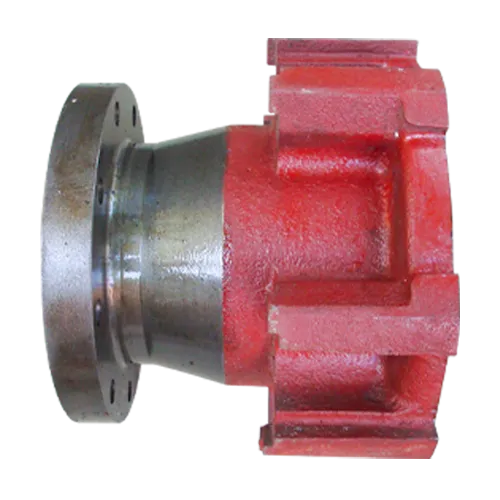
5. Brand and Quality Standards Reputable manufacturers who adhere to high-quality standards usually price their products higher than lesser-known brands. Investing in a reliable and well-reviewed impeller can save costs in the long run by reducing maintenance needs and improving pump longevity.
Typical Price Ranges
The price of submersible pump impellers can vary broadly, generally ranging from $50 for basic, small-sized models to over $500 for larger or custom-designed impellers. Mid-range models, which can handle medium capacities and are made from durable materials, typically fall between $150 and $300. It's crucial to evaluate not only the upfront cost but also the total cost of ownership, which includes maintenance, efficiency, and operational lifespan.
Importance of Selecting the Right Impeller
Choosing the right submersible pump impeller is critical for achieving optimal performance and efficiency. An ill-suited impeller can lead to inadequate flow rates, increased energy costs, and premature wear, resulting in costly repairs or replacements. It is essential to consider all aspects—such as the specific fluid being pumped, the required flow rate, and the working environment—when selecting an impeller. For instance, pumping abrasive materials may necessitate a more robust impeller design to withstand wear.
Conclusion
The pricing of submersible pump impellers is influenced by a myriad of factors, including material, design, size, market trends, and brand reputation. Understanding these elements aids in making informed decisions that align with both budget and performance requirements. As industries continue to rely heavily on submersible pumps for various applications, investing in the right impeller is not only crucial for operational efficiency but also ensures longevity and reliability in performance. Whether you are in agriculture, construction, or industrial sectors, careful consideration of impeller selection, along with understanding its pricing, can lead to significant benefits and cost savings in the long term.
-
Precision Valve Castings for Agricultural Irrigation and Fluid Control SystemsNewsMay.08,2026
-
Precision Impeller and Compressor Components for Agricultural MachineryNewsMay.08,2026
-
Essential Cast Components for Agricultural Machinery: Oil Management and Motor ProtectionNewsMay.08,2026
-
High-Performance Cast Components for Agricultural Machinery: From Cooling to Exhaust SystemsNewsMay.08,2026
-
Agricultural Valve Castings: Durable Flow Control Solutions for Farm Irrigation SystemsNewsMay.08,2026
-
High-Performance Agricultural Pump Components: Precision Castings for Reliable Farm OperationsNewsMay.08,2026