English

Mobile:+86-311-8081-2683
Email:info@ydcastings.com
English
submersible pump casing
Understanding Submersible Pump Casing An Essential Component in Fluid Management
Submersible pumps are widely used in various industries, including agriculture, wastewater treatment, and groundwater extraction, due to their efficiency in moving liquids from one place to another. At the heart of a submersible pump lies its casing, an essential component that plays a critical role in the pump's overall function and efficiency.
The casing of a submersible pump serves several key purposes. First and foremost, it acts as a protective shell that encloses the motor and impeller, keeping them safe from the surrounding environment. This protection is crucial, especially in challenging conditions such as dirty water, chemicals, or abrasive materials, which can significantly impair the performance and lifespan of the pump. The casing must be made from durable materials capable of withstanding corrosion, high pressures, and the potential impact of solid particles.
Common materials used for submersible pump casings include cast iron, stainless steel, and various high-grade plastics. Cast iron is often favored for its strength and resistance to wear, particularly in applications involving heavy-duty use. Stainless steel, on the other hand, offers excellent corrosion resistance, making it ideal for applications in marine environments or where chemicals are present. High-grade plastics can also be used for submersible pump casings, especially in residential or less demanding applications, providing a lightweight yet sturdy alternative.
The design of the casing also contributes significantly to the efficiency of the pump. A well-engineered casing can facilitate optimal fluid flow, minimizing turbulence and ensuring that the liquid is moved with minimal energy loss. This efficiency not only enhances the pump's performance but can also lead to energy savings in the long run, making it an environmentally friendly choice as well.
submersible pump casing
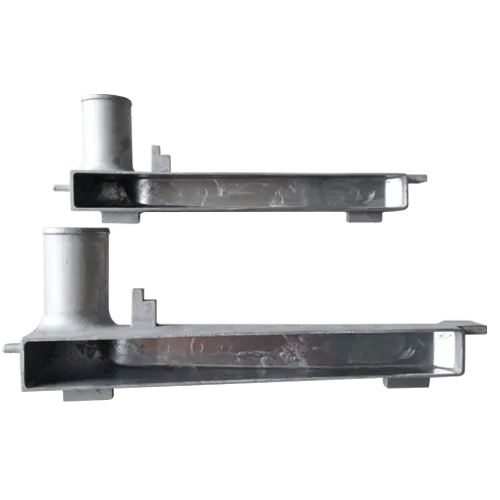
Moreover, the casing must be designed to manage the hydraulic forces generated during operation. This involves creating an appropriate configuration that can handle varying levels of fluid pressure. An efficient casing design helps mitigate vibrations and noise, leading to smoother operation and increased comfort for nearby operators or residents.
Another important aspect of submersible pump casings is their maintenance and inspection. Regular maintenance is essential to extending the life of the pump and ensuring consistent performance. Inspecting the casing for signs of wear, corrosion, or any structural damage can help identify potential issues before they escalate into costly repairs. Proper maintenance protocols may include periodic cleaning, checking the integrity of seals, and monitoring the functionality of the pump in action.
In addition to their functional roles, submersible pump casings must also comply with various industry standards and regulations. Compliance with these standards not only ensures safety and reliability but also builds trust among users. In many cases, manufacturers must undergo rigorous testing and certification processes to confirm that their pump casings meet all applicable guidelines.
In conclusion, the casing of a submersible pump is more than just a protective cover; it is a vital component that impacts the pump's performance, durability, and efficiency. As industries continue to evolve and demand more from fluid management systems, the importance of high-quality, well-designed pump casings will remain a key focus for manufacturers and users alike. By selecting a submersible pump with a robust casing tailored to meet specific operational needs, businesses can enhance their productivity and ensure sustainable practices in managing vital resources like water and other fluids.
-
Choosing an Engine Storage Crate Cover for Material and EnvironmentNewsNov.23,2026
-
Cylinder Head Chamber Buyers: Check the Casting Specification FirstNewsNov.17,2026
-
How Impeller Casting Manufacturers Match Material, Process and EquipmentNewsNov.15,2026
-
Valve body vs. intake air chamber: Which casting fits your assembly?NewsNov.02,2026
-
Air Intake Chamber FAQ: Specifications, Ordering and Support QuestionsNewsOct.28,2026
-
Motorcycle Accessories FAQ: Specifications, Ordering and Support QuestionsNewsOct.24,2026










