English

Mobile:+86-311-8081-2683
Email:info@ydcastings.com
English
Understanding the Importance of Submersible Pump Casing in Effective Water Management Systems
Understanding Submersible Pump Casings An Essential Component in Fluid Dynamics
Submersible pumps play a vital role in various applications, from irrigation systems in agriculture to wastewater management in industrial settings. At the heart of these efficient pumping systems lies the pump casing, an often-overlooked yet critical component. This article delves into the significance, types, and materials of submersible pump casings, providing insight into their design and functionality.
What is a Submersible Pump Casing?
A submersible pump casing is a protective outer shell that houses the internal components of the pump, including the motor and impeller. Designed to operate underwater, these casings are engineered to withstand high pressure and prevent water ingress, ensuring the efficient operation of the pump. When submerged, the casing also aids in heat dissipation, allowing the motor to function optimally without overheating.
Types of Submersible Pump Casings
Submersible pump casings can be classified based on their design and function
1. Vertical Casings Most commonly used in deep-well applications, vertical casings are designed to support the weight of the pump and provide stability. They extend downward into the water source, effectively managing the pump's suction capabilities.
2. Horizontal Casings Used in applications where the pump must be installed near the water source, horizontal casings allow for easier access and maintenance. These are usually utilized in applications that require less depth, such as shallow wells and drainage systems.
3. Multi-Stage Casings In applications requiring higher pressure, multi-stage casings house multiple impellers stacked on top of each other. This design allows for greater lift and flow rates, making them suitable for deep well extraction and booster applications.
Material Considerations
submersible pump casing
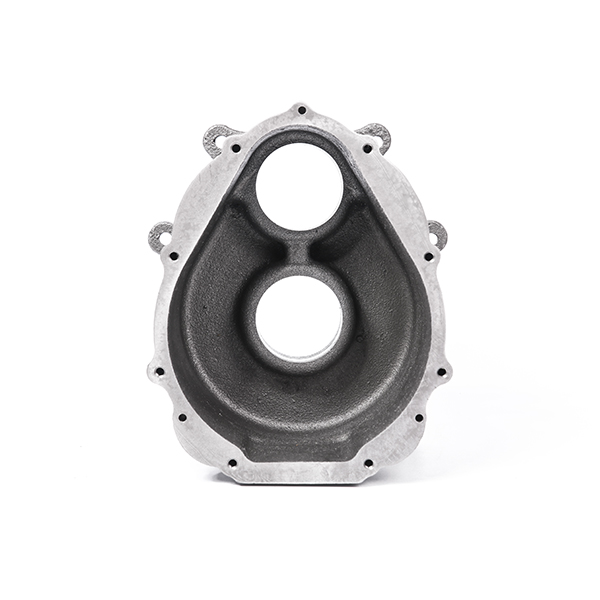
The material used in the construction of submersible pump casings significantly impacts their performance, durability, and resistance to corrosion. Common materials include
1. Stainless Steel Known for its excellent corrosion resistance, stainless steel is often the material of choice for submersible pump casings, particularly in applications involving saline or aggressive fluids. It provides strength and longevity, making it ideal for various environments.
2. Cast Iron While heavier than stainless steel, cast iron offers durability and is generally more cost-effective. It is suitable for applications where exposure to corrosive materials is limited. Cast iron casings can withstand significant wear and tear.
3. Plastic and Composite Materials These materials are gaining popularity due to their lightweight, corrosion-resistant properties. They are often used in residential applications and for pumping non-abrasive liquids. However, they may not be suitable for high-pressure applications.
Importance of Proper Design
The design of a submersible pump casing is crucial for its functionality. Factors such as flow path, impeller design, and inlet/outlet configurations must be carefully considered to optimize performance. An improperly designed casing can lead to issues such as cavitation, reduced efficiency, and premature wear of internal components.
Furthermore, proper sealing is essential to prevent leakage and water ingress, which can damage the electrical components of the pump. Advanced sealing technologies, such as mechanical seals or labyrinth seals, are often employed to enhance reliability.
Conclusion
The submersible pump casing is a cornerstone of fluid transport systems, influencing efficiency, durability, and overall performance. Understanding the various types, materials, and design considerations of these casings can help engineers and technicians make informed decisions when selecting and maintaining submersible pumps. As technology continues to evolve, advancements in materials and designs will further enhance the capabilities of submersible pumps, making them indispensable in meeting the fluid handling needs of modern society.
-
Choosing an Engine Storage Crate Cover for Material and EnvironmentNewsNov.23,2026
-
Cylinder Head Chamber Buyers: Check the Casting Specification FirstNewsNov.17,2026
-
How Impeller Casting Manufacturers Match Material, Process and EquipmentNewsNov.15,2026
-
Valve body vs. intake air chamber: Which casting fits your assembly?NewsNov.02,2026
-
Air Intake Chamber FAQ: Specifications, Ordering and Support QuestionsNewsOct.28,2026
-
Motorcycle Accessories FAQ: Specifications, Ordering and Support QuestionsNewsOct.24,2026










