English

Mobile:+86-311-8081-2683
Email:info@ydcastings.com
English
submersible motor impeller
Understanding Submersible Motor Impellers
Submersible motor impellers are critical components in various industrial applications, particularly in water management systems, wastewater treatment, and oil extraction. These devices are designed to operate underwater, making them essential for efficient fluid movement in environments where traditional pumping solutions would be ineffective. In this article, we will explore the functionality, types, and applications of submersible motor impellers, as well as their advantages over other pumping systems.
Functionality of Submersible Motor Impellers
At its core, the submersible motor impeller serves the key function of converting rotational energy from the motor into hydraulic energy, allowing fluids to be moved from one location to another. The impeller is typically housed within a pump casing, and it is geared to rotate at high speeds, creating a low-pressure zone at its center. This low-pressure area allows fluid to enter the impeller, where the kinetic energy generated is then transferred to the fluid, propelling it outward through the pump casing and toward the discharge outlet.
In submersible applications, these impellers are engineered to prevent cavitation—a phenomenon where vapor bubbles form within the fluid, potentially damaging the impeller and reducing efficiency. Proper design and material selection for this component are crucial to ensure longevity and reliable operation, particularly in challenging environments such as saltwater or chemically aggressive conditions.
Types of Submersible Motor Impellers
Submersible motor impellers come in various designs, each suited for specific applications and fluid characteristics. Common types include
1. Mixed-Flow Impellers These are ideal for pumping large volumes of fluid at moderate heads. Their design allows for both radial and axial flow, making them versatile in different scenarios.
submersible motor impeller
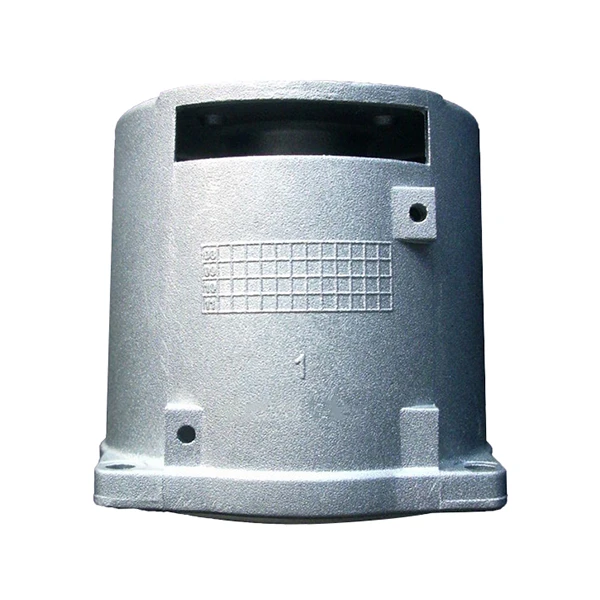
3. Axial Impellers These impellers are designed for handling high flow rates at low heads. They draw fluid in along the axis of rotation, efficiently moving large quantities of water at a relatively low cost.
Understanding the specific requirements of the fluid being pumped—such as viscosity, temperature, and particulates—is vital for selecting the appropriate impeller type.
Applications of Submersible Motor Impellers
The applications for submersible motor impellers are extensive. In municipal water systems, they are used for dewatering and sewage pumping. In agricultural settings, they assist in irrigation systems by efficiently moving water from wells or bodies of water to fields. Furthermore, in the oil and gas industry, submersible motor impellers are used for extracting oil from deep wells, enhancing oil recovery efficiency.
Additionally, these impellers play a significant role in aquaculture, helping to circulate water in fish farms and maintain optimal environmental conditions for aquatic life. Their reliability and efficiency in various settings have made them a preferred choice for engineers and operators alike.
Advantages Over Traditional Pumping Systems
One of the primary advantages of submersible motor impellers is their ability to operate fully submerged, reducing the risk of cavitation and minimizing the footprint of the equipment. They tend to be more energy-efficient compared to traditional surface pumps, particularly when pumping from significant depths. Furthermore, because they are submerged, they generate less noise, making them suitable for residential areas and environmentally sensitive locations.
In summary, submersible motor impellers are indispensable components in modern fluid management systems. Their various designs cater to a broad range of applications, providing efficient and reliable solutions for moving liquids in challenging environments. As technology advances, we can anticipate further innovation in impeller design, enhancing performance and expanding their applications even further.
-
Choosing an Engine Storage Crate Cover for Material and EnvironmentNewsNov.23,2026
-
Cylinder Head Chamber Buyers: Check the Casting Specification FirstNewsNov.17,2026
-
How Impeller Casting Manufacturers Match Material, Process and EquipmentNewsNov.15,2026
-
Valve body vs. intake air chamber: Which casting fits your assembly?NewsNov.02,2026
-
Air Intake Chamber FAQ: Specifications, Ordering and Support QuestionsNewsOct.28,2026
-
Motorcycle Accessories FAQ: Specifications, Ordering and Support QuestionsNewsOct.24,2026










