English

Mobile:+86-311-8081-2683
Email:info@ydcastings.com
English
Feb . 10, 2025 11:44
Back to list
impeller
In the competitive world of water management and fluid dynamics, the submersible impeller is a key component that has garnered significant attention. This essential piece of equipment is crucial for ensuring the efficient movement of fluids, making it indispensable in various industries, from wastewater management to aquaculture. As someone who has spent significant time researching and optimizing products in this field, it is clear that the market for submersible impellers is influenced by factors such as design, material, durability, and cost. Understanding these factors can provide valuable insights for both buyers and sellers, ensuring informed purchasing decisions.
Moreover, the trusted purchase channels play a pivotal role in acquiring competitive pricing for submersible impellers. Industry experts often recommend buying directly from reputable manufacturers or authorized distributors. Not only does this guarantee authenticity, but it also often ensures the pricing is competitive, as these suppliers can provide a warranty and after-sales service, adding a layer of security to the investment. Furthermore, keeping abreast of industry trends and technological advancements can lead buyers to explore innovations that may offer better performance, potentially influencing cost evaluations. Trustworthiness of the manufacturer and supplier cannot be overstated. Reliable suppliers with proven track records provide not just products, but solutions tailored to meet industry-specific challenges. Testimonials, case studies, and users' reviews are valuable resources to assess a supplier's credibility. Such information can provide insights into the product’s real-world performance, helping purchasers make informed decisions that align with their operational needs and budget constraints. In conclusion, while the price of submersible impellers is a critical factor, it intertwines with design, material choice, installation, and supplier credibility. A holistic approach that considers all these elements is essential for choosing an impeller that offers value beyond its price tag. By prioritizing expertise, authority, and trustworthiness, businesses can ensure that their investment in submersible impellers supports sustained operational efficiency and economic value.
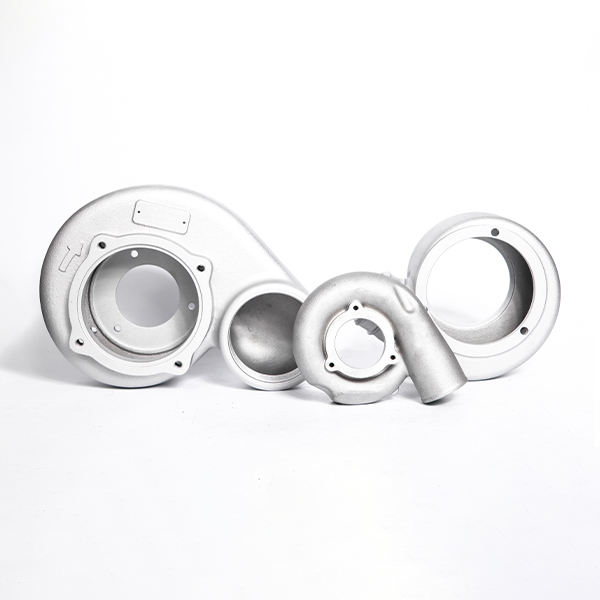
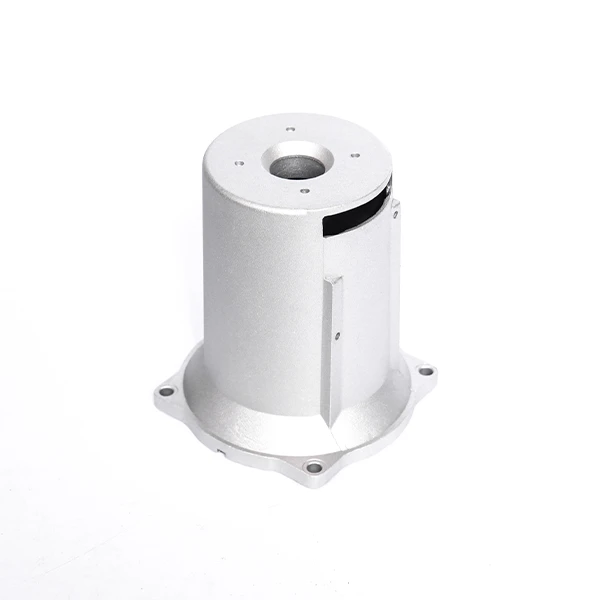
Moreover, the trusted purchase channels play a pivotal role in acquiring competitive pricing for submersible impellers. Industry experts often recommend buying directly from reputable manufacturers or authorized distributors. Not only does this guarantee authenticity, but it also often ensures the pricing is competitive, as these suppliers can provide a warranty and after-sales service, adding a layer of security to the investment. Furthermore, keeping abreast of industry trends and technological advancements can lead buyers to explore innovations that may offer better performance, potentially influencing cost evaluations. Trustworthiness of the manufacturer and supplier cannot be overstated. Reliable suppliers with proven track records provide not just products, but solutions tailored to meet industry-specific challenges. Testimonials, case studies, and users' reviews are valuable resources to assess a supplier's credibility. Such information can provide insights into the product’s real-world performance, helping purchasers make informed decisions that align with their operational needs and budget constraints. In conclusion, while the price of submersible impellers is a critical factor, it intertwines with design, material choice, installation, and supplier credibility. A holistic approach that considers all these elements is essential for choosing an impeller that offers value beyond its price tag. By prioritizing expertise, authority, and trustworthiness, businesses can ensure that their investment in submersible impellers supports sustained operational efficiency and economic value.
Next:
Latest news
-
Choosing an Engine Storage Crate Cover for Material and EnvironmentNewsNov.23,2026
-
Cylinder Head Chamber Buyers: Check the Casting Specification FirstNewsNov.17,2026
-
How Impeller Casting Manufacturers Match Material, Process and EquipmentNewsNov.15,2026
-
Valve body vs. intake air chamber: Which casting fits your assembly?NewsNov.02,2026
-
Air Intake Chamber FAQ: Specifications, Ordering and Support QuestionsNewsOct.28,2026
-
Motorcycle Accessories FAQ: Specifications, Ordering and Support QuestionsNewsOct.24,2026
Related PRODUCTS










