English

Mobile:+86-311-8081-2683
Email:info@ydcastings.com
English
Steel Pipe End Caps and Plugs for Effective Pipeline Sealing Solutions
Understanding Steel Pipe Caps and Plugs Essential Components in Piping Systems
In various industries, including construction, manufacturing, and plumbing, the integrity of piping systems is crucial. Among the myriad of components essential for these systems, steel pipe caps and plugs stand out as vital elements. These fittings play a significant role in ensuring that pipelines operate efficiently, safely, and without leakage. This article explores the functions, types, and considerations when selecting steel pipe caps and plugs.
What are Steel Pipe Caps and Plugs?
Steel pipe caps and plugs are fittings designed to seal the ends of pipes. While they both serve similar purposes, they have distinct differences. A pipe cap is intended to completely cover the end of a pipe, creating a smooth and sealed surface. This is particularly useful in scenarios where future extensions are planned, as it maintains pressure while preventing contaminants from entering the pipeline.
On the other hand, a pipe plug is a device that fits inside the pipe to block the flow and seal the interior. It can also be used to close off a specific line for maintenance or insulation without needing to remove the entire system. Both components can be found in various materials, but steel is favored for its strength, durability, and resistance to high pressures and temperatures.
Types of Steel Pipe Caps
Steel pipe caps can be categorized based on different parameters
1. Material Apart from carbon steel, pipe caps can also be made from stainless steel, which offers enhanced corrosion resistance. The choice of material often depends on the specific application and environmental conditions.
2. Dimensions Steel pipe caps come in various sizes to fit different pipe diameters. They are typically measured in nominal pipe sizes (NPS) or called out in metric sizes.
3. Connection Types Common connection types for pipe caps include - Welded Caps These are welded on to the end of the pipe for a permanent seal. - Threaded Caps These engage with the exterior threads of the pipe, allowing for easy removal and reinstallation. - Slip-On Caps These are designed to slip over the pipe's end and can be welded for a more secure connection.
Types of Steel Pipe Plugs
steel pipe caps and plugs
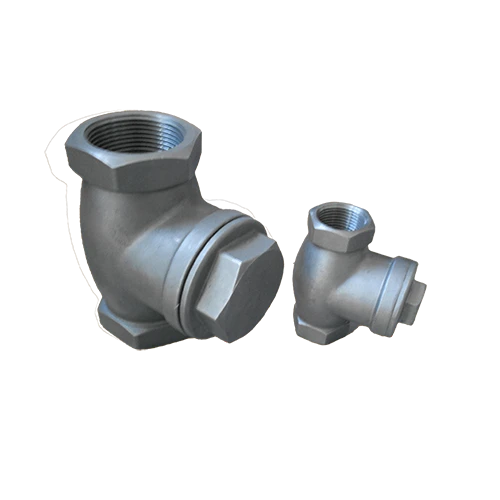
Like caps, steel pipe plugs also come in several varieties
1. Material Steel and stainless steel are the main materials, with stainless steel being more suitable for corrosive environments.
2. Thread Type Pipe plugs usually include - Tapered Plugs These have a tapered design that allows for a tight fit as they are screwed into the pipe. - Square Head Plugs These facilitate easier handling with a wrench for tightening or loosening.
3. Pressure Rating It's crucial to select plugs that are compatible with the pressure rating of the piping system for optimal performance and safety.
Applications of Steel Pipe Caps and Plugs
Steel pipe caps and plugs can be found across a range of applications. In construction, they are crucial for maintaining the integrity of pipelines during installation. In water supply systems, they help in isolating sections of the piping to allow for repairs or modifications without interrupting the entire system. In oil and gas industries, these fittings ensure secure containment under high pressures, reducing the risk of leaks that could lead to environmental contamination.
Choosing the Right Component
When selecting steel pipe caps and plugs, a few considerations come into play
- Application Identify the purpose of the cap or plug. Is it for permanent sealing, temporary closure, or maintenance? - Pressure Rating Ensure the component can handle the expected operating pressures. - Size and Compatibility Confirm that the cap or plug matches the pipe size and type (threaded or welded). - Material Choose between carbon and stainless steel based on your application’s corrosive nature.
In conclusion, steel pipe caps and plugs are integral to maintaining effective and safe piping systems. Understanding their functions, types, and applications can help ensure that projects are completed efficiently and that systems remain operational for years to come. Investing in high-quality fittings not only guarantees safety but also enhances the longevity of the piping infrastructure.
-
Choosing an Engine Storage Crate Cover for Material and EnvironmentNewsNov.23,2026
-
Cylinder Head Chamber Buyers: Check the Casting Specification FirstNewsNov.17,2026
-
How Impeller Casting Manufacturers Match Material, Process and EquipmentNewsNov.15,2026
-
Valve body vs. intake air chamber: Which casting fits your assembly?NewsNov.02,2026
-
Air Intake Chamber FAQ: Specifications, Ordering and Support QuestionsNewsOct.28,2026
-
Motorcycle Accessories FAQ: Specifications, Ordering and Support QuestionsNewsOct.24,2026










