English

Mobile:+86-311-8081-2683
Email:info@ydcastings.com
English
Exploring Innovations in Steel Investment Casting for Enhanced Manufacturing Efficiency
Steel Investment Casting An Overview of the Process and Benefits
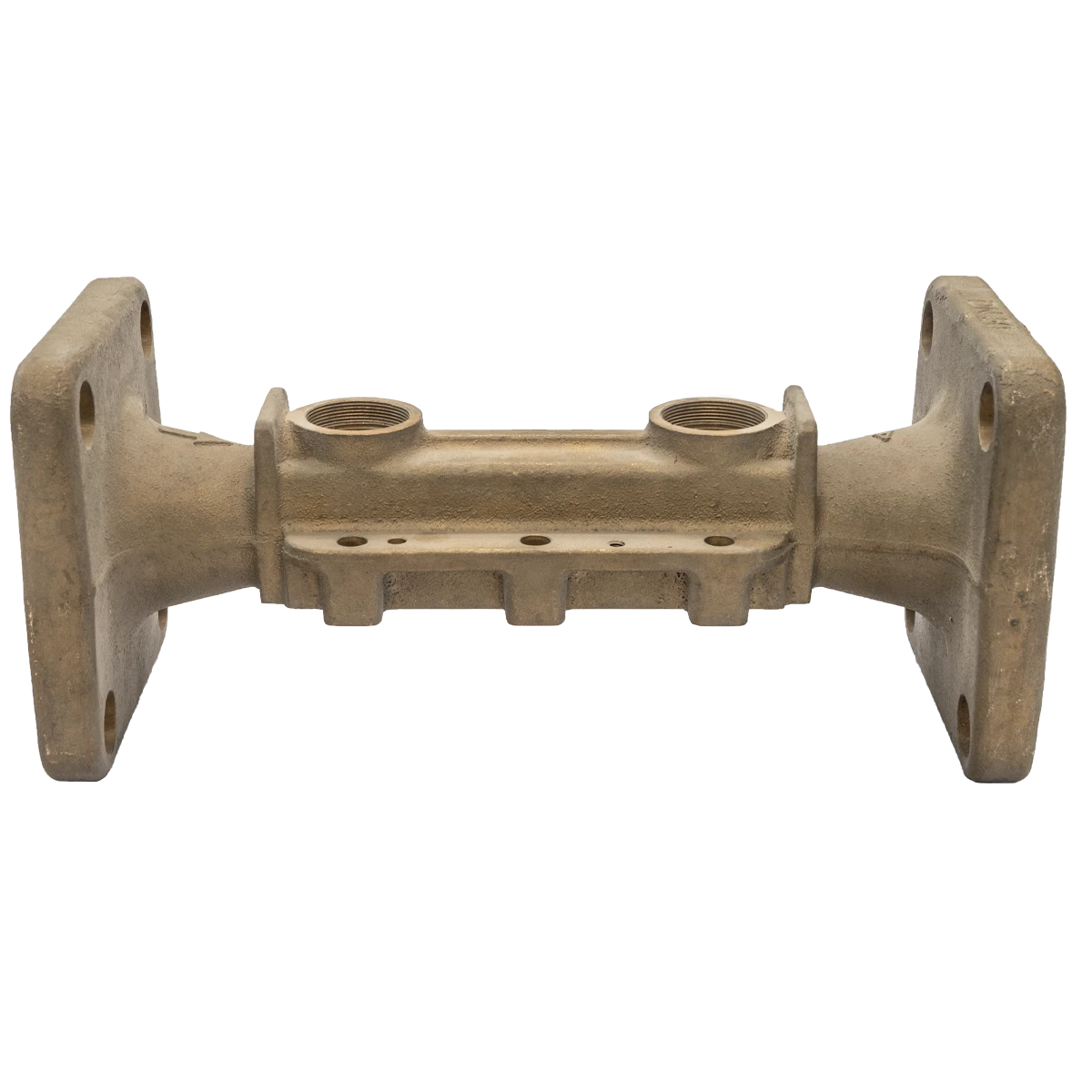
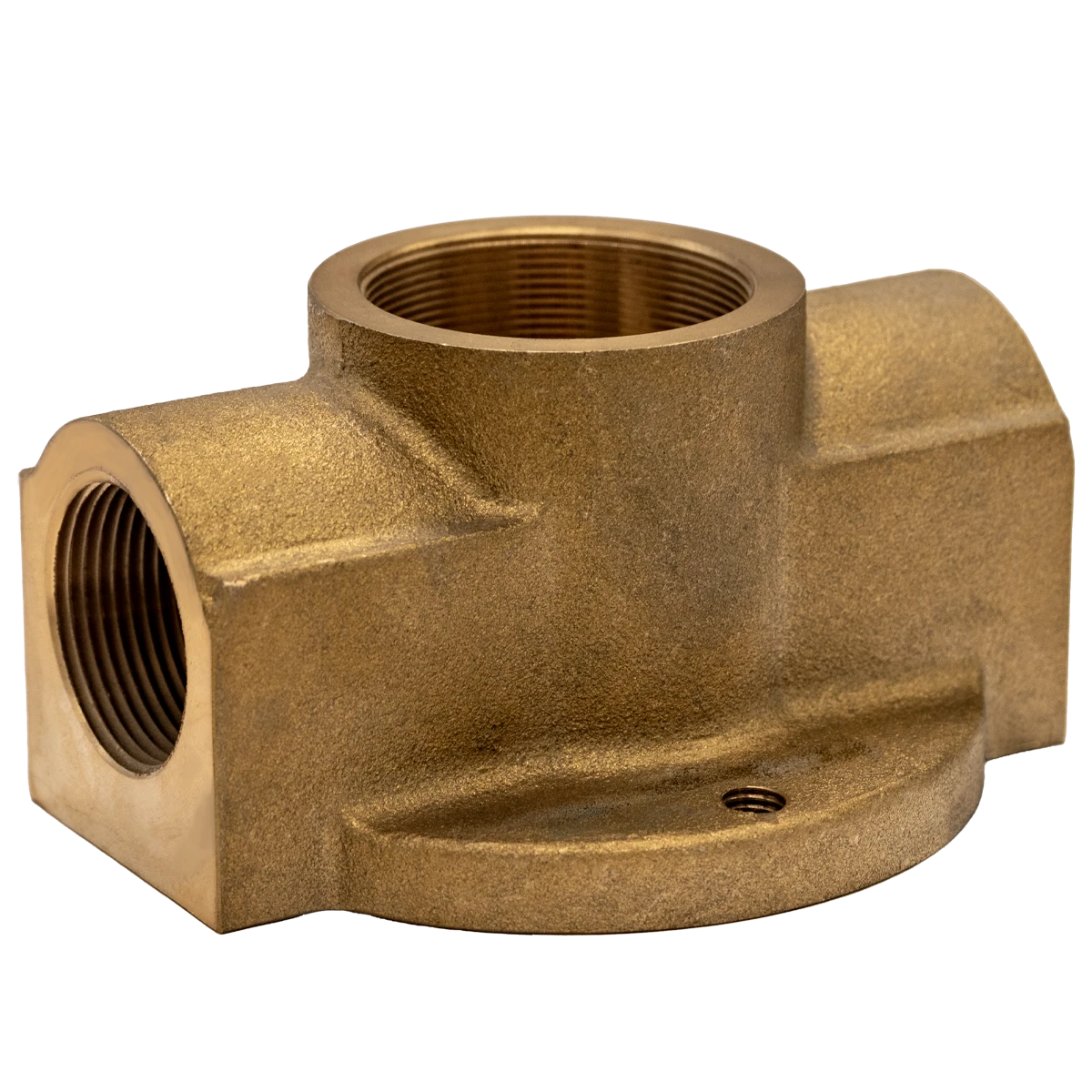
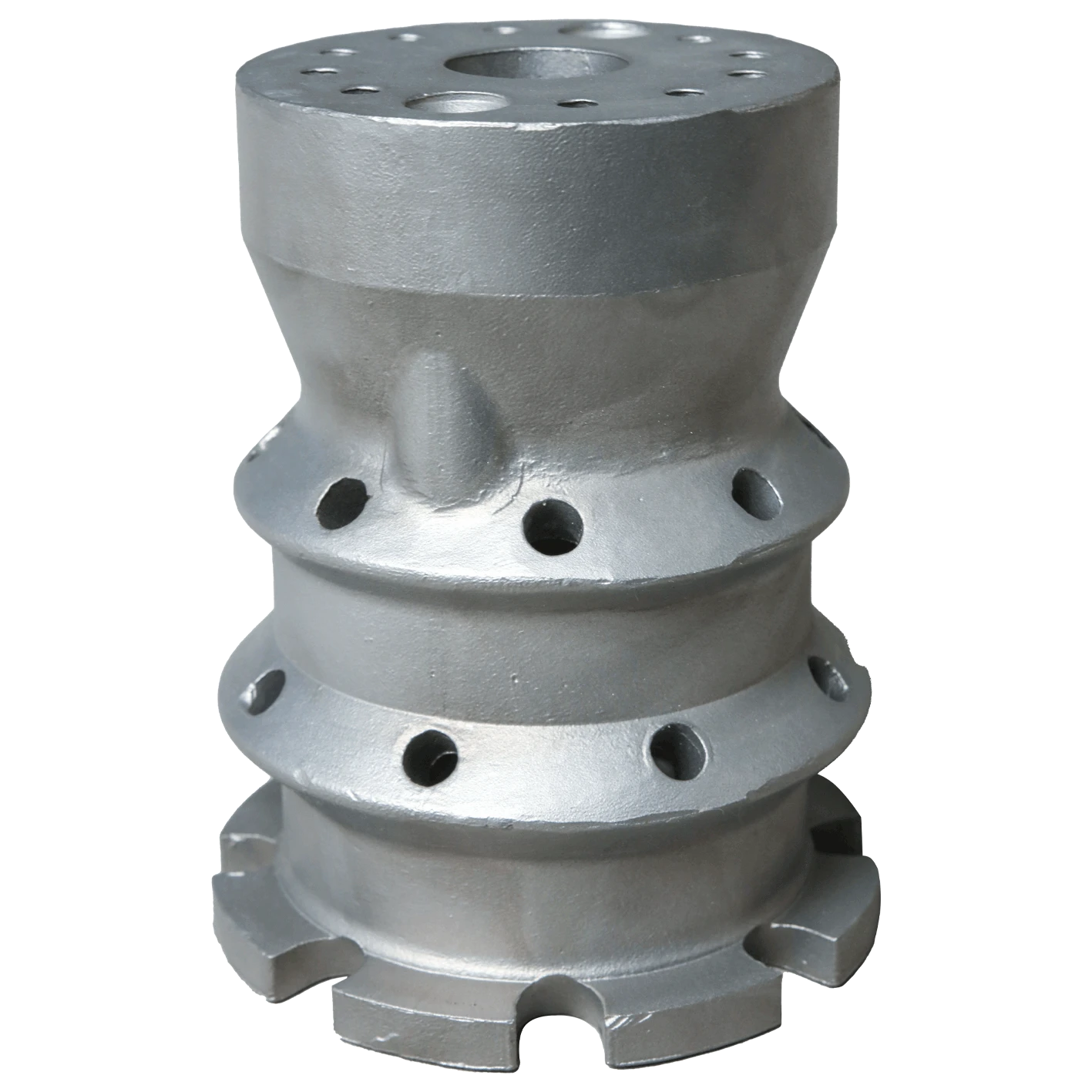
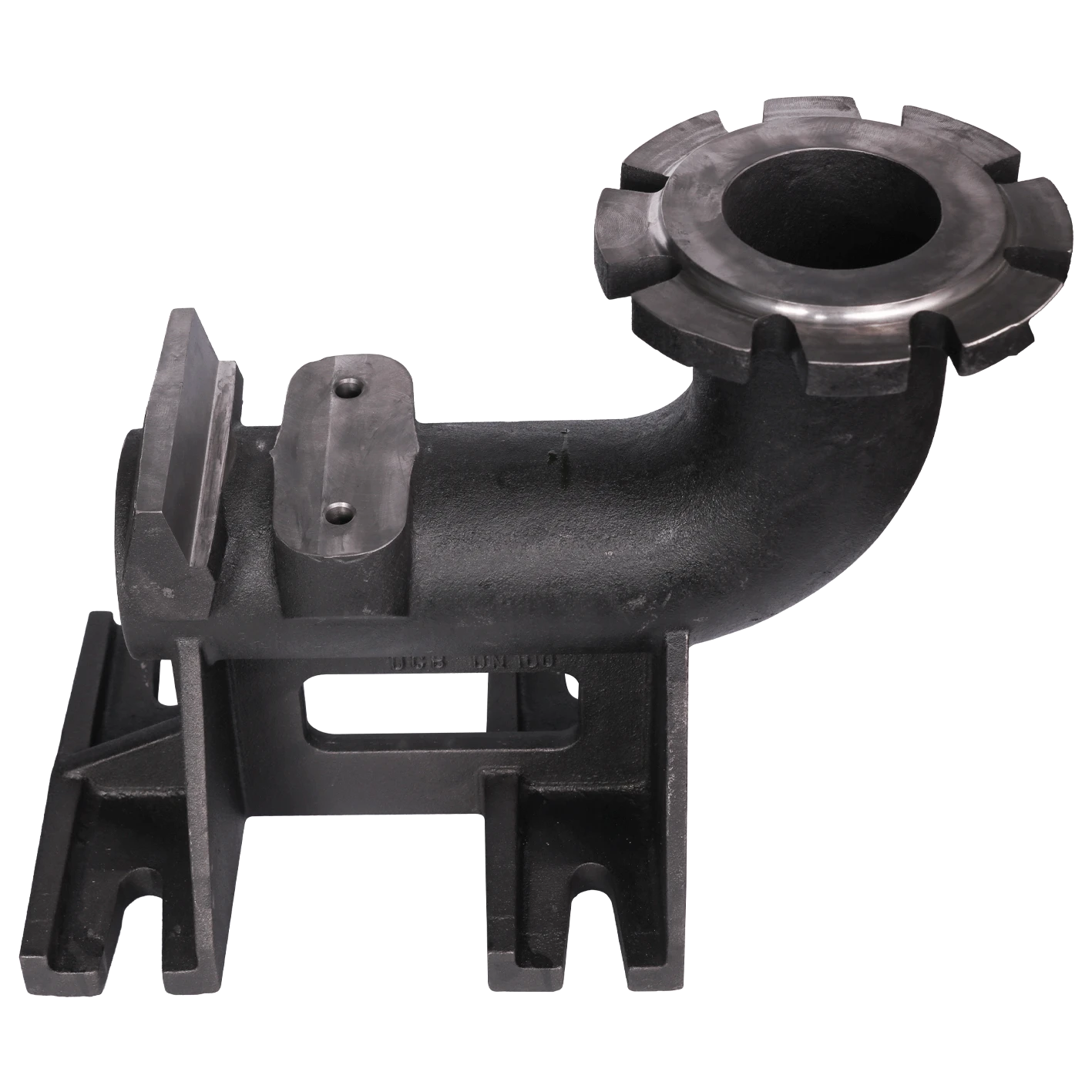
Investment casting, also known as lost wax casting, is a precision manufacturing process that allows for the production of complex shapes with a high degree of accuracy and a smooth surface finish. Among the various materials used in investment casting, steel is one of the most prominent due to its strength, durability, and versatility. This article will explore the steel investment casting process, its applications, advantages, and the factors to consider when choosing this method for production.
The Investment Casting Process
The investment casting process begins with the creation of a wax pattern, which is an exact replica of the desired steel component. This pattern is typically produced using injection molding and is designed to be easily removable. Once the wax pattern is ready, it is coated with a ceramic shell by applying a mixture of fine sand and a binding agent. The coated pattern is then heated, allowing the wax to melt and drain away, leaving behind a hollow ceramic mold.
Next, molten steel is poured into the mold to form the final part. The choice of steel can vary — from stainless steel to carbon steel — depending on the required properties of the final part. After the steel solidifies, the ceramic shell is broken away, rediscovering the finished steel component. The final stages of the process may include trimming, machining, and finishing to meet specific tolerances and surface requirements.
Applications of Steel Investment Casting
Steel investment casting is widely applied in various industries due to the strength and flexibility of steel as a material. Some common applications include
1. Aerospace Components Components such as brackets, housings, and back-plates require precision and strength, making steel investment casting an ideal choice.
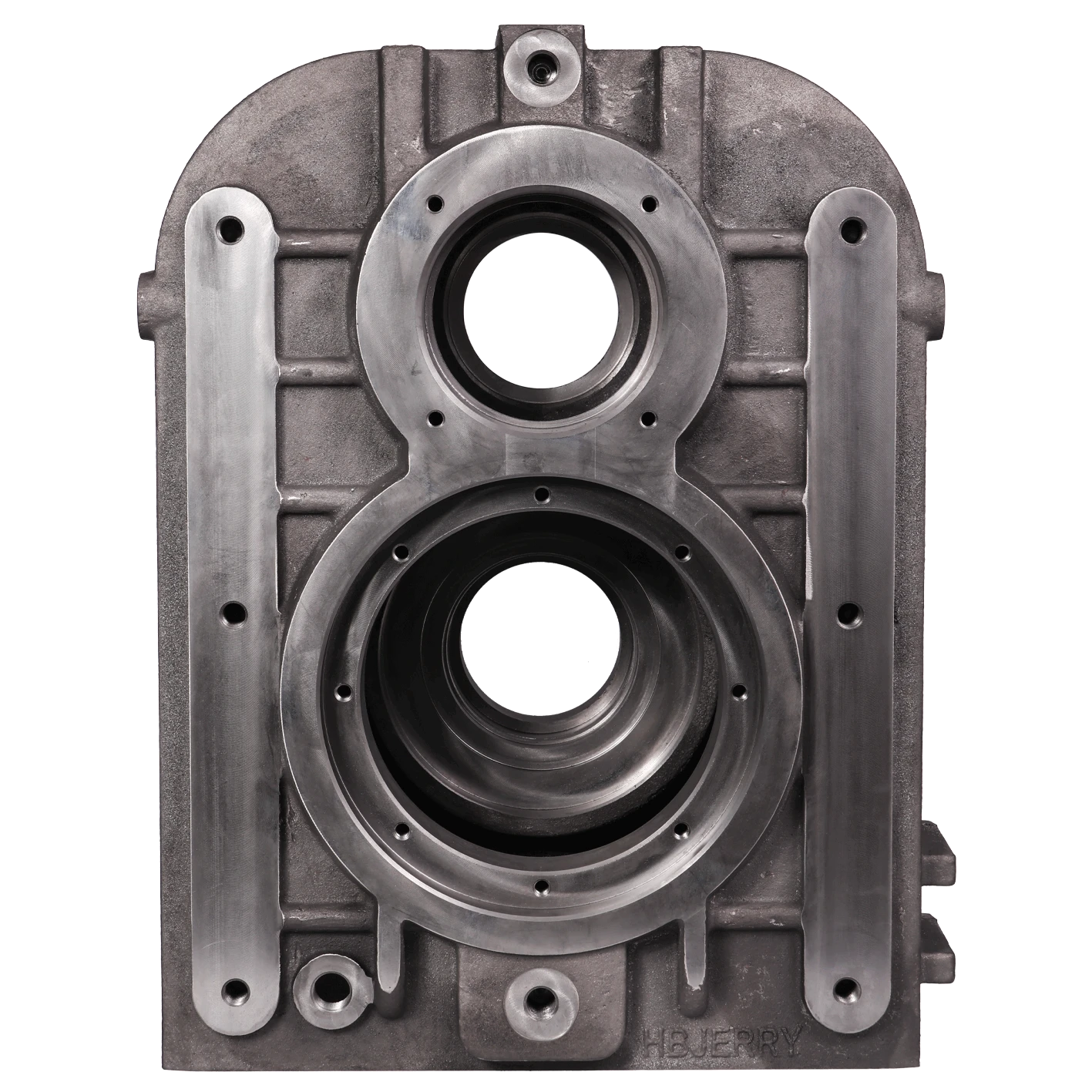
2. Automotive Parts High-performance automotive components like valve bodies, pump housings, and gearboxes often utilize this process due to its accuracy and ability to produce intricate designs.
3. Medical Devices Some surgical instruments and implants demand exceptional reliability and precision, where investment casting plays a crucial role.
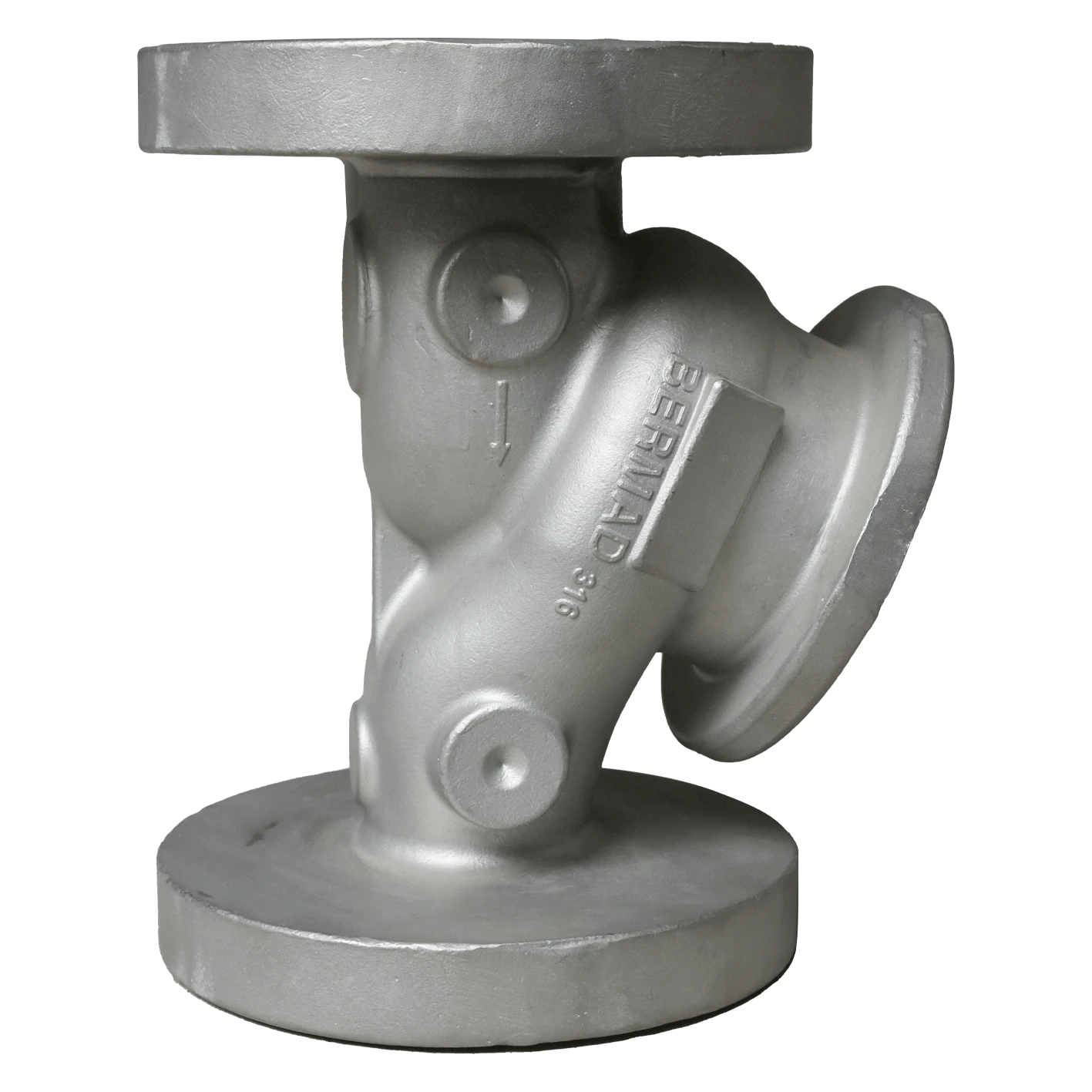
4. Oil and Gas Equipment Parts that withstand high pressure and harsh environments, such as valves and pumps, benefit greatly from the robustness provided by steel investment casting.
5. Industrial Machinery Components used in heavy machinery often require complex shapes that can only be achieved through investment casting.
Advantages of Steel Investment Casting
steel investment casting

The steel investment casting process offers numerous advantages over other manufacturing methods
1. Precision and Accuracy Investment casting allows for tight tolerances and intricate shapes that might be impossible to achieve with other techniques. This precision reduces the need for extensive machining, saving both time and materials.
2. Material Versatility Investment casting can accommodate a wide variety of steels, allowing manufacturers to choose the best material for their specific applications, whether they require corrosion resistance, high strength, or toughness.
3. Reduced Waste The process is inherently efficient, as the only material lost is the wax pattern, leading to less waste compared to machining methods that cut away material.
4. Cost-Effectiveness for High Volumes While the initial setup costs may be higher, investment casting becomes increasingly cost-effective with larger production runs due to reduced labor and material waste.
5. Excellent Surface Finish The smooth surface finish of investment-cast parts can significantly reduce the need for further finishing operations, lowering production times and costs.
Considerations for Steel Investment Casting
While steel investment casting possesses numerous benefits, several factors should be considered when choosing this method
1. Initial Costs The setup costs for investment casting can be high due to mold creation and pattern manufacturing. Therefore, this process is most suitable for high-volume production.
2. Material Selection The choice of steel must be made carefully based on the application's requirements. Different alloys offer different properties, affecting performance.
3. Complexity and Design Not all designs are feasible for investment casting. Consulting with experts during the design phase can help determine the best approach.
In conclusion, steel investment casting is a powerful manufacturing process that offers a combination of precision, versatility, and cost-effectiveness. Its applicability across multiple industries underscores its importance in modern manufacturing. As technology continues to advance, investment casting is likely to evolve further, enhancing the capabilities and offerings available to manufacturers in a competitive global market.
-
Choosing an Engine Storage Crate Cover for Material and EnvironmentNewsNov.23,2026
-
Cylinder Head Chamber Buyers: Check the Casting Specification FirstNewsNov.17,2026
-
How Impeller Casting Manufacturers Match Material, Process and EquipmentNewsNov.15,2026
-
Valve body vs. intake air chamber: Which casting fits your assembly?NewsNov.02,2026
-
Air Intake Chamber FAQ: Specifications, Ordering and Support QuestionsNewsOct.28,2026
-
Motorcycle Accessories FAQ: Specifications, Ordering and Support QuestionsNewsOct.24,2026