English

Mobile:+86-311-808-126-83
Email:info@ydcastings.com
English
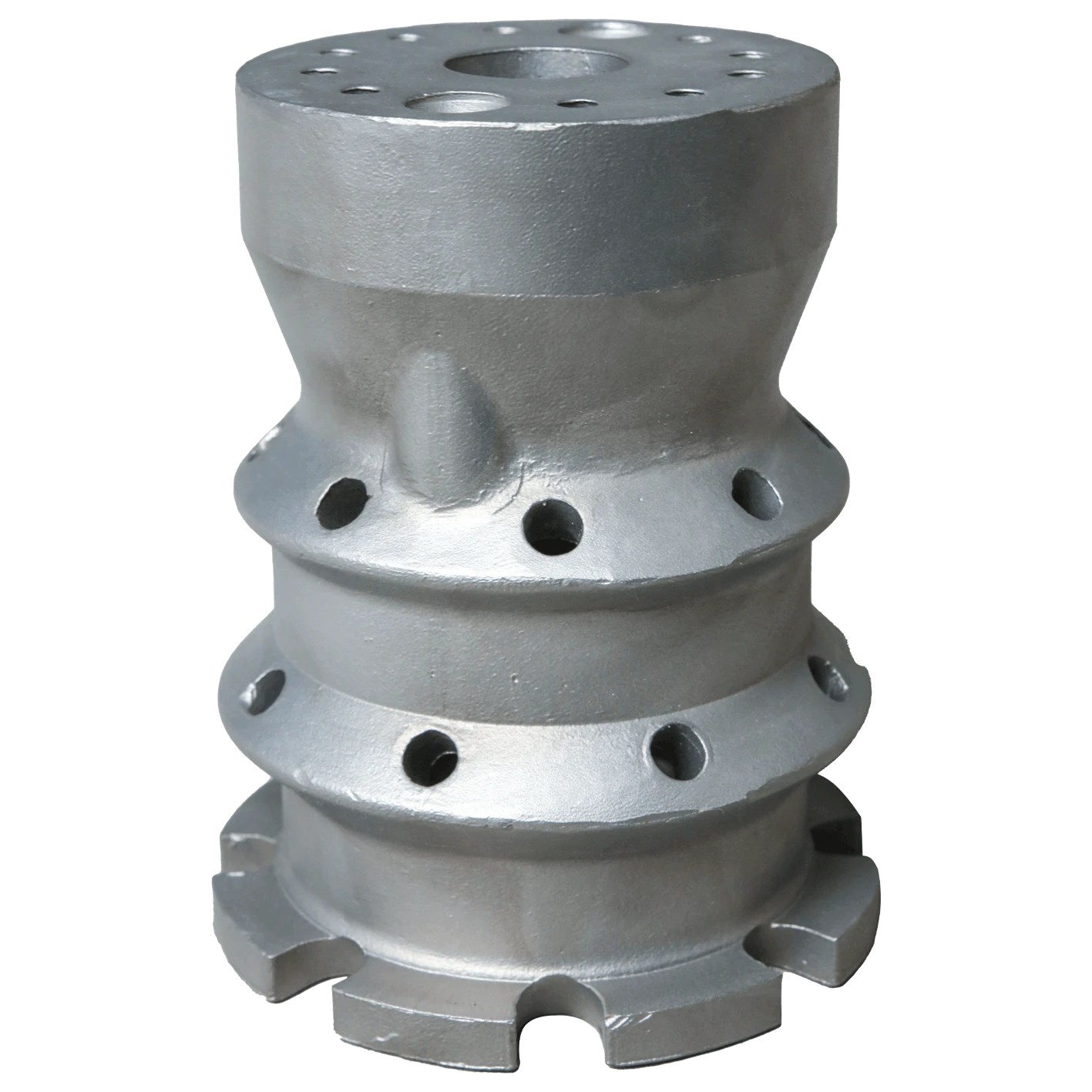
steel impeller
Understanding Steel Impellers Applications, Benefits, and Features
In the realm of engineering and manufacturing, impellers play a crucial role in various applications, especially within pump and turbine systems. Among the materials used for their production, steel has emerged as a favored choice due to its unique properties and the benefits it offers. This article will explore the significance of steel impellers, their applications, and the advantages that make them indispensable in numerous industries.
What is an Impeller?
An impeller is a rotating component that converts rotational energy into fluid flow. Typically found in pumps, compressors, and turbines, impellers enhance the movement of fluids by using centrifugal force. The design of an impeller can vary significantly depending on its intended application and the type of fluid being moved.
The Importance of Steel in Impeller Construction
Steel impellers are crafted from different grades of steel, each selected based on the specific requirements of the application. Steel is favored for its excellent strength-to-weight ratio, durability, resistance to high temperatures, and ability to withstand corrosive environments. These characteristics make steel impellers ideal for demanding applications, such as those found in the oil and gas, chemical processing, and power generation industries.
Applications of Steel Impellers
Steel impellers are utilized across a myriad of industries. Some of the most notable applications include
1. Pump Systems Impellers are integral to centrifugal and positive displacement pumps, which are widely used in water supply, wastewater treatment, and industrial processes.
2. Turbines In hydroelectric power plants, steam turbines, and gas turbines, steel impellers are essential for converting fluid energy into mechanical energy, enabling power generation.
4. Marine Applications In the maritime sector, steel impellers are employed in ship propellers and water jet propulsion systems, providing efficiency and reliability in fluid movement.
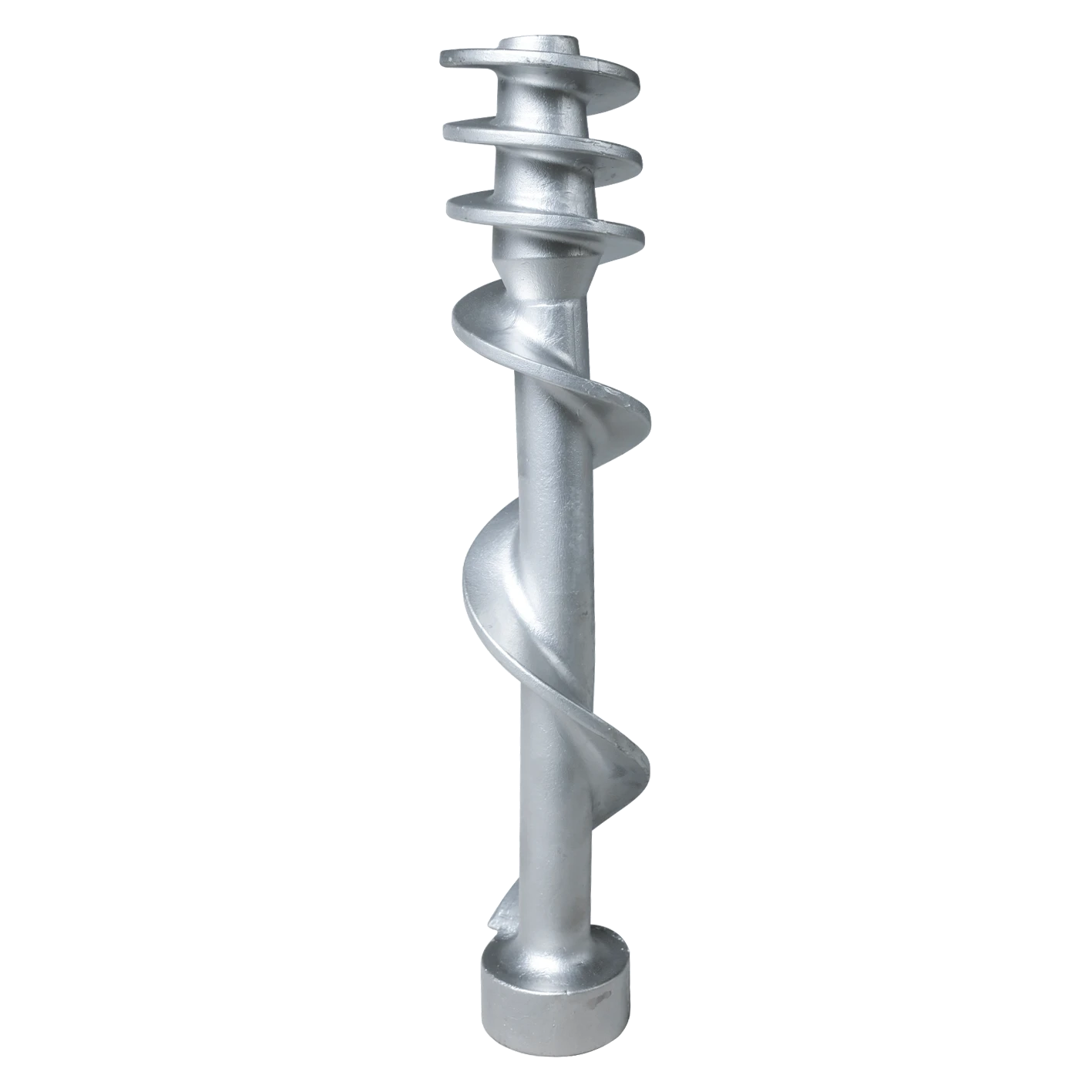
steel impeller
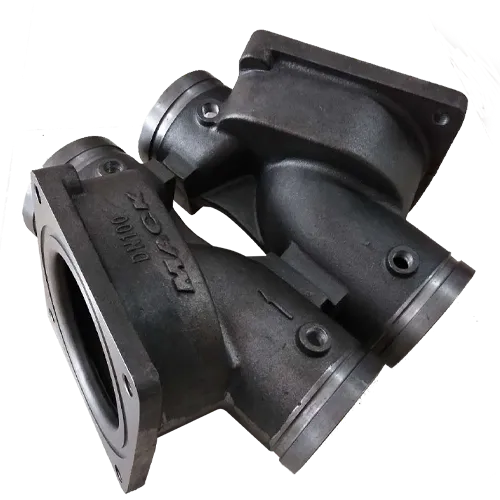
5. Aerospace The aerospace industry uses steel impellers in various turbo machinery applications due to their capability to endure extreme conditions while maintaining performance.
Benefits of Steel Impellers
The use of steel impellers offers several advantages
1. Durability Steel's inherent strength ensures that impellers can withstand significant operational stresses, extending their lifespan and reducing maintenance costs.
2. Corrosion Resistance When using stainless steel or specialized coatings, the impellers can resist corrosion from harsh chemicals or saline environments, which is crucial in many industrial applications.
3. Efficiency Steel impellers can be designed with precision to enhance fluid dynamics, leading to improved efficiency and reduced energy consumption in the system.
4. Cost-Effectiveness Though the initial cost of steel impellers may be higher than those made from plastic or other materials, their durability and lower maintenance needs often result in more cost-effective solutions in the long run.
5. Heat Resistance Steel can handle high temperatures without deformation, making steel impellers suitable for environments where temperature control is critical.
Conclusion
Steel impellers are vital components in various mechanical systems, providing efficiency, reliability, and longevity. Their applications span multiple industries, including pumping, power generation, and aerospace. By leveraging the unique properties of steel, engineers can design impellers that meet demanding performance criteria while also addressing the challenges posed by environmental factors. As technology advances, the innovations surrounding steel impellers will continue to evolve, ensuring their integral position in the future of engineering and manufacturing.
In summary, the choice of material significantly affects the performance and durability of impellers, and steel remains a preferred option for developing robust, efficient, and cost-effective solutions across a wide range of applications. Understanding the characteristics and benefits of steel impellers is essential for professionals seeking to enhance system reliability and efficiency in their respective fields.
-
Precision Valve Castings for Agricultural Irrigation and Fluid Control SystemsNewsMay.08,2026
-
Precision Impeller and Compressor Components for Agricultural MachineryNewsMay.08,2026
-
Essential Cast Components for Agricultural Machinery: Oil Management and Motor ProtectionNewsMay.08,2026
-
High-Performance Cast Components for Agricultural Machinery: From Cooling to Exhaust SystemsNewsMay.08,2026
-
Agricultural Valve Castings: Durable Flow Control Solutions for Farm Irrigation SystemsNewsMay.08,2026
-
High-Performance Agricultural Pump Components: Precision Castings for Reliable Farm OperationsNewsMay.08,2026