English

Mobile:+86-311-8081-2683
Email:info@ydcastings.com
English
steel foundries
Steel Foundries The Backbone of Industrial Innovation
Steel foundries play a pivotal role in the manufacturing sector, acting as essential hubs for the production and casting of various metal components. These facilities specialize in melting and shaping steel to create a wide range of products used in numerous industries, including automotive, aerospace, construction, and machinery. The process involves intricate techniques, skilled labor, and advanced technology, all orchestrated to meet the ever-increasing demand for high-quality steel castings.
At the heart of a steel foundry lies the melting furnace, where raw materials such as scrap steel and alloying elements are heated to extremely high temperatures. This process not only liquefies the metal but also allows for the precise adjustment of its chemical composition. By adding various alloys, foundries can tailor the properties of the steel, such as its strength, ductility, and resistance to wear and corrosion. This customization is crucial, as different applications require specific characteristics to ensure optimal performance and durability.
Once the steel has been melted and refined, it is poured into molds to create the desired shapes. Molding techniques can range from sand casting to investment casting, each offering unique advantages depending on the complexity of the design and the properties needed in the final product. For instance, sand casting is highly cost-effective for large-scale production and is often used for heavy machinery components, while investment casting allows for intricate designs and is typically used for aerospace and medical applications.
steel foundries
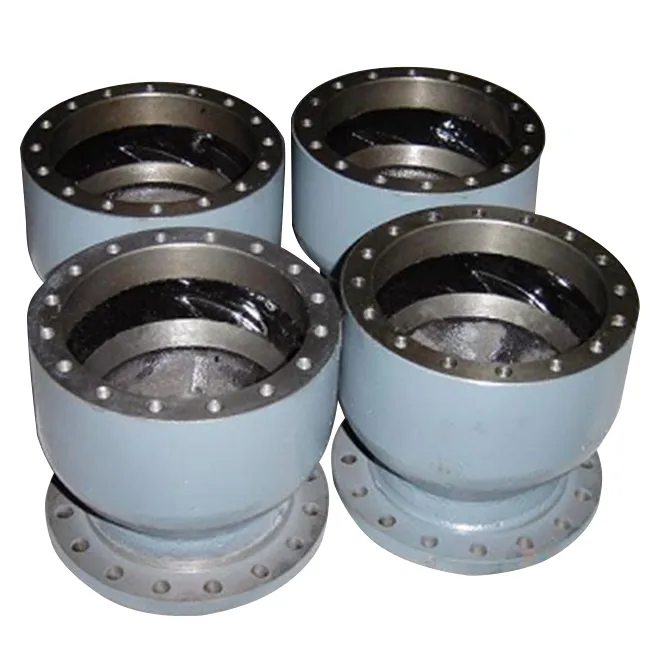
Moreover, the quality control processes in steel foundries are rigorous and vital. To ensure that the final products meet industry standards, foundries conduct a variety of tests, including chemical analysis, mechanical testing, and non-destructive testing methods. These quality assurance measures help identify any defects or inconsistencies early in the production cycle, thereby minimizing waste and ensuring customer satisfaction.
The environmental impact of steel foundries is another important consideration
. With increasing awareness of sustainability, many foundries are adopting greener practices, such as recycling scrap metal and investing in energy-efficient technologies. Additionally, the development of electric arc furnaces has revolutionized steel production, significantly reducing greenhouse gas emissions compared to traditional blast furnaces.As industries continue to evolve, steel foundries are also adapting to meet changing demands. The rise of automation and digitalization has introduced new efficiencies into the casting process, allowing for greater production rates and enhanced precision. Implementing technologies like 3D printing in mold production is transforming how foundries can operate, paving the way for innovative designs and shorter lead times.
In conclusion, steel foundries are crucial to the industrial landscape, providing essential components that drive modernization and progress across various sectors. Their ability to combine traditional craftsmanship with cutting-edge technology ensures that they remain at the forefront of manufacturing, poised to meet the challenges of the future. As the world continues to advance, the contributions of steel foundries will undoubtedly be integral to longstanding and emerging industries alike.
-
Choosing an Engine Storage Crate Cover for Material and EnvironmentNewsNov.23,2026
-
Cylinder Head Chamber Buyers: Check the Casting Specification FirstNewsNov.17,2026
-
How Impeller Casting Manufacturers Match Material, Process and EquipmentNewsNov.15,2026
-
Valve body vs. intake air chamber: Which casting fits your assembly?NewsNov.02,2026
-
Air Intake Chamber FAQ: Specifications, Ordering and Support QuestionsNewsOct.28,2026
-
Motorcycle Accessories FAQ: Specifications, Ordering and Support QuestionsNewsOct.24,2026










