English

Mobile:+86-311-8081-2683
Email:info@ydcastings.com
English
stainless steel valve casting
The Importance of Stainless Steel Valve Casting in Modern Industries
Stainless steel valve casting plays a crucial role in various industries, providing essential components that ensure the efficient flow of fluids in numerous applications. Valves made from stainless steel are favored for their durability, resistance to corrosion, and ability to withstand high temperature and pressure conditions. This article will explore the significance of stainless steel valve casting, its manufacturing process, and its many applications.
The manufacturing process of stainless steel valve casting begins with the design and modeling of the valve components. Advanced computer-aided design (CAD) software is utilized to create precise 3D models, which aid in visualizing the final product and determining its specifications. Once the design is finalized, a pattern is created, usually made of metal or plastic, which serves as a mold for the casting process.
Next, the selected stainless steel alloy is melted in a high-temperature furnace. The most common alloys used in stainless steel valve casting include 316 and 304 grades, known for their excellent mechanical properties and corrosion resistance. Once fully molten, the stainless steel is poured into the mold, filling it to form the valve component. After cooling and solidifying, the mold is removed to reveal the cast valve. Following this, various machining processes, such as milling, drilling, and polishing, are performed to ensure the final product meets industry standards for size and functionality.
stainless steel valve casting
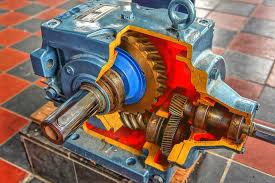
One of the primary advantages of stainless steel valve casting is its inherent corrosion resistance. Many environments where valves are used, such as chemical processing plants, wastewater treatment facilities, and marine applications, expose them to harsh conditions. Stainless steel is specially formulated to resist rust and degradation, ensuring long-lasting performance even in the toughest situations.
Another significant benefit of stainless steel valve casting is its strong structural integrity. The casting process results in dense and uniform material, making the valves capable of withstanding high pressures and temperatures, which is essential in applications such as oil and gas extraction, power generation, and HVAC systems. Furthermore, stainless steel valves can be easily maintained and repaired, reducing the total cost of ownership over time.
In terms of applications, stainless steel valves are ubiquitous in many sectors, including oil and gas, food processing, pharmaceuticals, and water treatment. In the oil and gas industry, for example, they control the flow of hydrocarbons under extreme conditions. In food and beverage processing, stainless steel’s non-reactive nature makes it an ideal choice to ensure product purity and safety.
In conclusion, stainless steel valve casting is a vital element in the manufacturing of reliable components that serve numerous industries. With its durability, corrosion resistance, and ability to perform under demanding conditions, stainless steel valves are indispensable in ensuring the smooth operation of countless processes. As industries continue to evolve, the demand for high-quality stainless steel cast valves will undoubtedly grow, reinforcing their importance in modern technology and infrastructure.
-
Choosing an Engine Storage Crate Cover for Material and EnvironmentNewsNov.23,2026
-
Cylinder Head Chamber Buyers: Check the Casting Specification FirstNewsNov.17,2026
-
How Impeller Casting Manufacturers Match Material, Process and EquipmentNewsNov.15,2026
-
Valve body vs. intake air chamber: Which casting fits your assembly?NewsNov.02,2026
-
Air Intake Chamber FAQ: Specifications, Ordering and Support QuestionsNewsOct.28,2026
-
Motorcycle Accessories FAQ: Specifications, Ordering and Support QuestionsNewsOct.24,2026










