English

Mobile:+86-311-8081-2683
Email:info@ydcastings.com
English
stainless steel end caps
The Versatility and Importance of Stainless Steel End Caps
Stainless steel end caps are essential components in various industries, offering a perfect blend of durability, corrosion resistance, and aesthetic appeal. These fittings play a critical role in closing off the ends of pipes, tubes, and other structures, ensuring that systems operate effectively without leaks or contamination. As industries continue to evolve, the demand for high-quality stainless steel end caps has surged, reflecting their significant utility across multiple applications.
What Are Stainless Steel End Caps?
End caps are fittings designed to seal the end of a pipe or tube. Made from stainless steel, these caps can effectively block the flow of liquids or gases, allowing for safe transport and storage. The production of stainless steel end caps typically involves various grades of stainless steel, such as 304 and 316, which are known for their strength and resistance to oxidation and corrosion. The choice of grade often depends on the specific environment and the fluids being contained.
Why Choose Stainless Steel?
The selection of stainless steel for end caps is driven by several key advantages
1. Corrosion Resistance Stainless steel contains chromium, which forms a protective layer on its surface. This layer prevents rust and corrosion, making stainless steel end caps ideal for applications in harsh environments, such as chemical processing, marine applications, and food processing.
2. Durability Stainless steel is not only resistant to corrosion but also to wear and tear. This durability extends the lifespan of the fittings, reducing the need for frequent replacements and minimizing maintenance costs.
3. Aesthetic Appeal The sleek and shiny surface of stainless steel end caps adds a polished look to installations. This aesthetic quality makes them suitable for visible applications, such as railings, furniture, and architectural finishes.
4. Temperature Resistance Many stainless steel grades can withstand high temperatures without losing structural integrity. This attribute is crucial in industries like oil and gas, where pipes may be subjected to extreme conditions.
Applications of Stainless Steel End Caps
Stainless steel end caps have a wide range of applications across various sectors
stainless steel end caps
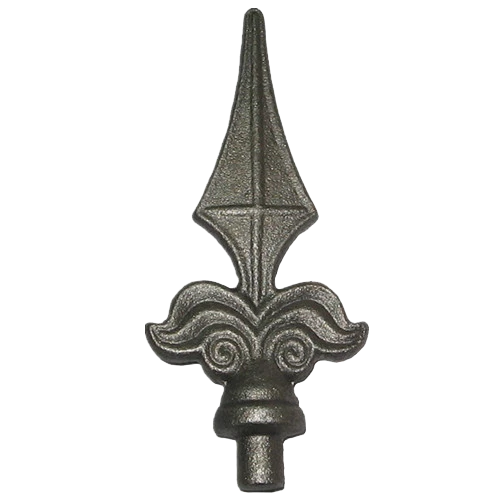
1. Construction and Architecture Contractors often use stainless steel end caps in railings, structural supports, and decorative elements. Their robustness and visual appeal make them popular in both residential and commercial construction projects.
2. Industrial Manufacturing In manufacturing environments, stainless steel end caps are vital for sealing pipes in chemical processing, food and beverage production, and pharmaceutical industries. They ensure that spills and leaks are minimized, which is crucial for safety and hygiene.
3. Marine The maritime industry relies heavily on stainless steel components due to exposure to saltwater and extreme weather conditions. End caps prevent the ingress of seawater into pipes, protecting the integrity of ship systems.
4. Automotive and Aerospace In the automotive and aerospace sectors, stainless steel end caps are used to secure fluid systems, exhaust systems, and engine components. Their ability to withstand high temperatures and pressures makes them ideal for these demanding applications.
Choosing the Right End Caps
When selecting stainless steel end caps, several factors must be considered
- Type and Size It is essential to choose the right type of end cap that fits the pipe or tube diameter and material. Custom sizes are often available for specific applications.
- Grade of Stainless Steel Depending on the environment and the types of fluids being contained, choosing the right grade of stainless steel is crucial. For example, 316 stainless steel is preferred for marine applications due to its superior resistance to saltwater.
- Production Method Some end caps are manufactured through welding, while others are forged or cast. The choice of manufacturing method can affect strength and integrity.
Conclusion
In conclusion, stainless steel end caps are integral to many applications, providing essential sealing capabilities while enhancing aesthetic appeal. Their resistance to corrosion, durability, and versatility have made them a preferred choice in various industries. As technology progresses and industries adapt to new challenges, the importance of high-quality stainless steel end caps will undoubtedly continue to grow. Whether you’re involved in construction, manufacturing, or any other field, understanding the value and applications of stainless steel end caps can lead to better decision-making and improved operational efficiency.
-
Choosing an Engine Storage Crate Cover for Material and EnvironmentNewsNov.23,2026
-
Cylinder Head Chamber Buyers: Check the Casting Specification FirstNewsNov.17,2026
-
How Impeller Casting Manufacturers Match Material, Process and EquipmentNewsNov.15,2026
-
Valve body vs. intake air chamber: Which casting fits your assembly?NewsNov.02,2026
-
Air Intake Chamber FAQ: Specifications, Ordering and Support QuestionsNewsOct.28,2026
-
Motorcycle Accessories FAQ: Specifications, Ordering and Support QuestionsNewsOct.24,2026










