English

Mobile:+86-311-8081-2683
Email:info@ydcastings.com
English
Durable Circulating Pump Designed for Stainless Steel Applications and Efficiency
The Advantages of Stainless Steel Circulating Pumps
In today’s fast-evolving industrial landscape, the demand for efficient, durable, and reliable pumping solutions continues to grow. One of the leading technologies addressing this demand is the stainless steel circulating pump. These pumps have become indispensable in a variety of applications, ranging from HVAC systems to industrial processes, due to their outstanding properties and performance characteristics.
What is a Stainless Steel Circulating Pump?
A stainless steel circulating pump is a type of centrifugal pump designed to move liquids through a closed system or circuit. Its construction primarily utilizes stainless steel, which is known for its excellent corrosion resistance, strength, and durability. The material not only ensures a longer service life but also maintains the purity of the fluid being pumped, making these pumps ideal for applications in food processing, pharmaceuticals, and water treatment.
Advantages of Stainless Steel
1. Corrosion Resistance Stainless steel is inherently resistant to rust and corrosion, which is critical when pumping aggressive, hot, or chemically reactive fluids. Unlike traditional materials such as cast iron or plastic, stainless steel maintains its integrity and performance under harsh conditions, thus minimizing maintenance costs and downtime.
2. Durability and Longevity The robust nature of stainless steel allows these pumps to withstand high pressures and temperatures without deforming or failing. This durability is essential in industrial settings where reliability is paramount, and pump failure can result in significant financial losses and operational delays.
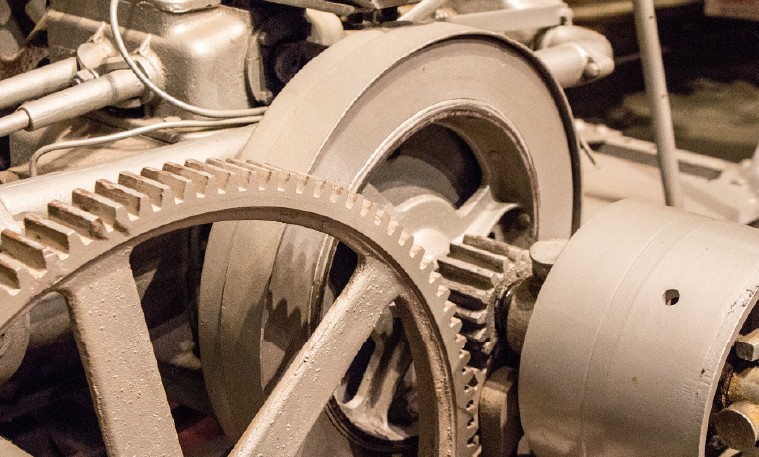
stainless steel circulating pump
3. Hygienic Design Stainless steel is non-porous, making it more sanitary compared to other materials. This property is particularly beneficial in food and beverage applications, where hygiene is a top priority. Stainless steel circulating pumps can be easily cleaned and sanitized, adhering to strict health and safety regulations.
4. Efficiency Stainless steel circulating pumps are designed for optimal fluid dynamics, which enhances their overall efficiency. They can maintain a consistent flow rate with minimal energy consumption, making them an environmentally friendly choice for both commercial and industrial settings. Improved efficiency translates into lower energy bills, which can significantly impact a company’s bottom line.
5. Versatility These pumps are suitable for a wide range of fluids, including water, oils, and various chemicals. Their adaptability makes them an ideal choice for many sectors, including HVAC, pharmaceuticals, food processing, and chemical engineering. Whether used in residential settings or large-scale industrial processes, stainless steel circulating pumps offer the versatility needed in modern applications.
Installation and Maintenance
The installation of a stainless steel circulating pump is relatively straightforward. However, proper installation is crucial to ensure optimal performance. It is recommended to follow the manufacturer’s guidelines and standards to avoid potential issues. Moreover, routine maintenance is essential to prolong the life of the pump. Regular inspections, coupled with timely replacements of worn components, can prevent unexpected failures and costly repairs.
Conclusion
In summary, stainless steel circulating pumps represent a pinnacle of engineering and design, combining durability, efficiency, and hygiene. Their ability to handle a variety of fluids while resisting corrosion makes them an invaluable asset in today's industrial world. As industries continue to innovate and evolve, the stainless steel circulating pump will undoubtedly play a significant role in enhancing operational efficiency and maintaining quality standards across various applications. Investing in these reliable and high-performance pumps is a decision that pays dividends in both performance and longevity.
-
Choosing an Engine Storage Crate Cover for Material and EnvironmentNewsNov.23,2026
-
Cylinder Head Chamber Buyers: Check the Casting Specification FirstNewsNov.17,2026
-
How Impeller Casting Manufacturers Match Material, Process and EquipmentNewsNov.15,2026
-
Valve body vs. intake air chamber: Which casting fits your assembly?NewsNov.02,2026
-
Air Intake Chamber FAQ: Specifications, Ordering and Support QuestionsNewsOct.28,2026
-
Motorcycle Accessories FAQ: Specifications, Ordering and Support QuestionsNewsOct.24,2026










