English

Mobile:+86-311-8081-2683
Email:info@ydcastings.com
English
High-Quality Stainless Steel Casting Solutions for Diverse Industrial Applications
The Evolution and Advantages of Stainless Steel Castings
In the world of manufacturing, stainless steel castings have carved a niche for themselves due to their versatile properties and performance advantages. These castings play a crucial role in various industries, from automotive to aerospace, and from marine to medical equipment. As a stainless steel castings manufacturer, understanding the benefits and techniques associated with this form of metalworking is essential to staying competitive and meeting customer demands.
What are Stainless Steel Castings?
Stainless steel castings are components created by pouring molten stainless steel into molds, allowing it to solidify into the desired shape. This process can produce complex geometries that would be challenging to achieve with traditional machining methods. The use of stainless steel enhances durability, provides corrosion resistance, and supports high-temperature applications.
Advantages of Stainless Steel Castings
1. Corrosion Resistance Stainless steel is known for its excellent resistance to corrosion due to the presence of chromium, which forms a passive layer on the surface. This property makes stainless steel castings ideal for use in harsh environments, such as marine applications or chemical processing industries.
2. Strength and Durability Stainless steel castings exhibit high tensile strength and toughness, which makes them suitable for heavy-duty applications. This longevity reduces the need for frequent replacements, leading to cost savings over time.
3. Versatility in Design One of the significant advantages of stainless steel castings is their ability to be molded into complex shapes and sizes. Manufacturers can create intricate designs that traditional machining could not easily achieve, allowing for innovation in product design and functionality.
4. Aesthetic Appeal Stainless steel has a naturally attractive finish, which enhances the visual appeal of the cast components. This characteristic is particularly important in industries like architectural design and luxury goods.
5. Thermal Resistance Stainless steel can withstand high temperatures without losing structural integrity, making it suitable for applications that involve extreme heat, such as in the automotive exhaust systems or heat exchangers.
Manufacturing Process of Stainless Steel Castings
stainless steel castings manufacturer
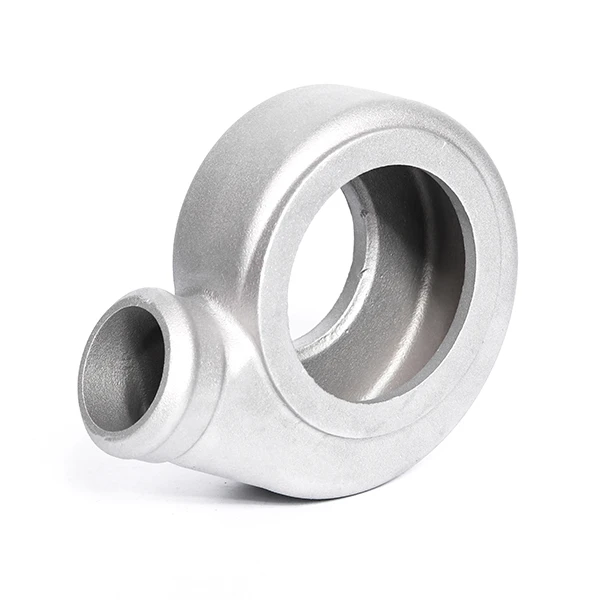
The manufacturing process of stainless steel castings generally involves several key steps
1. Pattern Making A pattern is created based on the desired design. This pattern can be made from various materials, including metal, plastic, or wax.
2. Mold Creation The pattern is placed in a mold material, which could be sand, ceramic, or metal. The mold acts as a negative of the final product.
3. Melting and Pouring Stainless steel is melted in a furnace and then poured into the mold. Precision in temperature and timing is crucial to ensure quality.
4. Cooling and Solidification Once the molten steel is poured, it is allowed to cool and solidify, taking the shape of the mold.
5. Finishing After cooling, the castings are removed from the mold and undergo finishing processes, such as grinding, polishing, and surface treatment, to achieve the desired finish and dimensional accuracy.
Quality Control
Ensuring the quality of stainless steel castings is paramount. Manufacturers implement rigorous testing procedures, including visual inspections, dimensional checks, and mechanical property evaluations to guarantee that the castings meet industry standards and customer requirements.
Conclusion
As industries evolve, the importance of stainless steel castings continues to grow. Their unique combination of durability, strength, and aesthetic appeal positions them as a preferred choice for manufacturers seeking reliable components for diverse applications. Investing in advanced casting technologies and maintaining high-quality standards will ensure that stainless steel castings manufacturers can meet the ever-increasing demands of the modern marketplace. Whether in automotive, aerospace, or any other field, stainless steel castings are poised to remain an integral part of manufacturing for years to come.
-
Choosing an Engine Storage Crate Cover for Material and EnvironmentNewsNov.23,2026
-
Cylinder Head Chamber Buyers: Check the Casting Specification FirstNewsNov.17,2026
-
How Impeller Casting Manufacturers Match Material, Process and EquipmentNewsNov.15,2026
-
Valve body vs. intake air chamber: Which casting fits your assembly?NewsNov.02,2026
-
Air Intake Chamber FAQ: Specifications, Ordering and Support QuestionsNewsOct.28,2026
-
Motorcycle Accessories FAQ: Specifications, Ordering and Support QuestionsNewsOct.24,2026










