English

Mobile:+86-311-8081-2683
Email:info@ydcastings.com
English
stainless steel casting alloys
Stainless Steel Casting Alloys An Overview
Stainless steel casting alloys are a vital segment of materials used in various industries, owing to their excellent mechanical properties, corrosion resistance, and versatility. This article aims to delve into the composition, types, and applications of stainless steel casting alloys, as well as the processes involved in their manufacturing.
Composition of Stainless Steel Casting Alloys
Stainless steel is primarily an iron-based alloy that includes a minimum of 10.5% chromium, which imparts its characteristic corrosion resistance. The addition of chromium forms a passive layer of chromium oxide on the surface, protecting the underlying metal from corrosive environments. Other alloying elements commonly found in stainless steel casting alloys include nickel, molybdenum, manganese, and carbon, each contributing distinctive properties.
- Chromium (Cr) Enhances corrosion resistance and increases hardness. - Nickel (Ni) Improves ductility and toughness, making the alloy easier to work with. - Molybdenum (Mo) Offers superior resistance to pitting and crevice corrosion, especially in chloride environments. - Carbon (C) Increases strength and hardness through heat treatment.
These elements can be manipulated in varying proportions to achieve specific mechanical and physical properties, making stainless steel casting alloys highly adaptable for different applications.
Types of Stainless Steel Casting Alloys
Stainless steel casting alloys are generally classified into several categories based on their microstructure and composition
1. Austenitic Stainless Steels These are the most common type of stainless steel and contain high levels of chromium and nickel, ensuring excellent corrosion resistance and good formability. They are non-magnetic and often used in food processing and chemical industries.
2. Ferritic Stainless Steels Containing higher chromium and lower nickel content, ferritic steels offer good resistance to stress corrosion cracking. They are magnetic and are generally used in automotive applications and architectural designs.
3. Martensitic Stainless Steels Characterized by high carbon content, martensitic stainless steels can be hardened through heat treatment. They are used in applications that require high strength and moderate corrosion resistance, such as cutlery and surgical instruments.
4. Duplex Stainless Steels These alloys consist of both austenitic and ferritic phases, providing a combination of high strength and excellent corrosion resistance. They are often employed in oil and gas industries due to their superior resistance to chloride-induced stress corrosion cracking.
stainless steel casting alloys
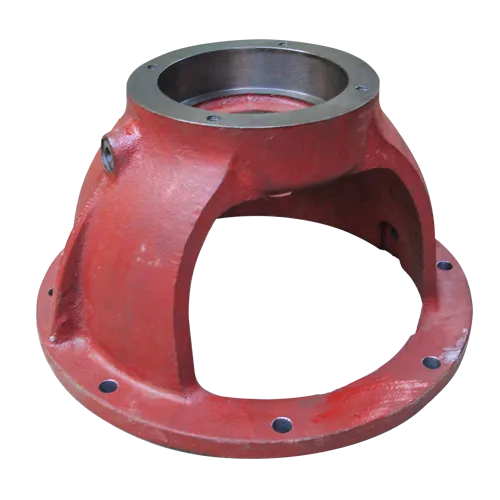
Manufacturing Processes
The manufacturing of stainless steel castings typically involves several processes
1. Pattern Making The first step involves creating a pattern, usually from materials like sand or metal, which forms the shape of the desired casting.
2. Molding The pattern is then placed in a mold. Various molding techniques, such as sand casting, investment casting, or permanent mold casting, can be utilized based on the complexity and tolerance requirements of the final product.
3. Melting and Pouring Stainless steel scrap and alloying elements are melted in an electric arc or induction furnace. The molten stainless steel is then poured into the prepared mold.
4. Cooling and Solidification Once poured, the casting is allowed to cool and solidify. The cooling rate can affect the properties of the metal; thus, it is carefully controlled.
5. Finishing and Inspection After solidification, the mold is removed, and the casting undergoes finishing processes such as machining, polishing, and surface treatment. Rigorous inspection follows to ensure the casting meets specified quality standards.
Applications
The unique properties of stainless steel casting alloys make them suitable for a broad range of applications. They are extensively used in
- Chemical Processing Tanks, valves, and piping systems that must withstand corrosive substances. - Food Industry Equipment and utensils where hygiene is paramount. - Aerospace and Marine Engineering Components that require high strength-to-weight ratios and corrosion resistance. - Medical Devices Surgical instruments and implants that need to be both biocompatible and sterilizable.
Conclusion
Stainless steel casting alloys represent a remarkable combination of strength, durability, and resistance to corrosion, making them indispensable in various industries. As technology advances, development in stainless steel casting processes and new alloy compositions continue to enhance their capabilities and applications. Understanding these materials is crucial for engineers and manufacturers striving for innovation and efficacy in their respective fields.
-
Choosing an Engine Storage Crate Cover for Material and EnvironmentNewsNov.23,2026
-
Cylinder Head Chamber Buyers: Check the Casting Specification FirstNewsNov.17,2026
-
How Impeller Casting Manufacturers Match Material, Process and EquipmentNewsNov.15,2026
-
Valve body vs. intake air chamber: Which casting fits your assembly?NewsNov.02,2026
-
Air Intake Chamber FAQ: Specifications, Ordering and Support QuestionsNewsOct.28,2026
-
Motorcycle Accessories FAQ: Specifications, Ordering and Support QuestionsNewsOct.24,2026










