English

Mobile:+86-311-8081-2683
Email:info@ydcastings.com
English
stainless steel casting
The Significance of Stainless Steel Casting in Modern Industry
Stainless steel casting is a pivotal process in the manufacturing and fabrication sectors, providing unique advantages that make it indispensable across various industries. This process involves pouring molten stainless steel into molds to create intricate shapes and components, which possess excellent mechanical properties and corrosion resistance. The applications of stainless steel castings are vast, ranging from automotive and aerospace to medical devices and marine equipment, highlighting its versatility and significance.
The Process of Stainless Steel Casting
The stainless steel casting process begins with the selection of raw materials, which typically includes various alloys of steel enriched with chromium and nickel. These alloys enhance resistance to oxidation and corrosion. Once the appropriate alloy is chosen, it is melted in a furnace, achieving temperatures that can exceed 1,600 degrees Celsius.
After achieving a molten state, the liquid steel is carefully poured into pre-prepared molds that define the shape of the desired component. Molding techniques can vary; common methods include sand casting, investment casting, and precision casting, each offering distinct advantages depending on the application.
Once the molten steel cools and solidifies, the mold is removed, revealing the casting. Post-casting processes such as machining, polishing, and heat treatment are often required to enhance dimensional accuracy and surface finish. These steps are critical to ensuring that the final product meets stringent engineering specifications and performance criteria.
Advantages of Stainless Steel Castings
1. Corrosion Resistance Stainless steel is renowned for its ability to withstand rust and corrosion. This property makes it ideal for applications exposed to harsh conditions, such as marine environments, chemicals, and high-temperature applications.
2. Strength and Durability The mechanical strength of stainless steel castings ensures that components can withstand significant stress and pressure without deformation. This makes them suitable for heavy-duty applications like construction equipment and automotive components.
3. Versatility of Design The casting process allows for a high degree of flexibility in terms of design. Complex geometries can be achieved with minimal material waste, which is a significant advantage in custom applications or where specific performance characteristics are required.
stainless steel casting
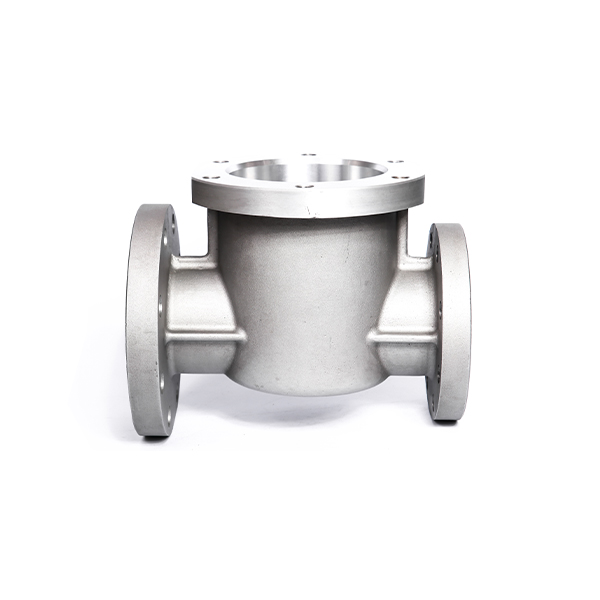
5. Aesthetic Appeal Stainless steel has a natural luster and aesthetic appeal, making it a preferred choice for products where appearance is vital, such as in architectural applications and consumer goods.
Applications Across Industries
The applications of stainless steel castings are extensive and varied. In the automotive industry, they are used for critical components like engine parts, exhaust systems, and structural frame components, contributing to improved performance and longevity of vehicles.
In the aerospace sector, stainless steel castings are crucial for manufacturing components that need to withstand extreme temperatures and mechanical stresses during flight. Parts like turbine blades and structural components benefit from the strength-to-weight ratio of stainless steel.
The marine industry also heavily utilizes stainless steel due to its resistance to saltwater corrosion. Components such as propellers, shafts, and various fittings are commonly produced from stainless steel castings to ensure durability and reliability.
Moreover, the medical industry employs stainless steel casting for surgical instruments and devices, where sterility, toughness, and resistance to chemical degradation are paramount.
Conclusion
In summary, stainless steel casting is a critical manufacturing process that plays an integral role in numerous industries due to its unique properties and advantages. As technology advances, the methods and techniques associated with stainless steel casting continue to evolve, further enhancing efficiency and product quality. As industries increasingly demand durable, corrosion-resistant, and intricately designed components, the relevance of stainless steel casting will undoubtedly continue to grow, shaping the future of manufacturing in diverse fields. Whether in everyday consumer products or high-stake industrial applications, the importance of this process cannot be overstated.
-
Choosing an Engine Storage Crate Cover for Material and EnvironmentNewsNov.23,2026
-
Cylinder Head Chamber Buyers: Check the Casting Specification FirstNewsNov.17,2026
-
How Impeller Casting Manufacturers Match Material, Process and EquipmentNewsNov.15,2026
-
Valve body vs. intake air chamber: Which casting fits your assembly?NewsNov.02,2026
-
Air Intake Chamber FAQ: Specifications, Ordering and Support QuestionsNewsOct.28,2026
-
Motorcycle Accessories FAQ: Specifications, Ordering and Support QuestionsNewsOct.24,2026










