English

Mobile:+86-311-808-126-83
Email:info@ydcastings.com
English
stainless steal price
The Current Landscape of Stainless Steel Prices
Stainless steel has become an essential material in various industries, celebrated for its resistance to corrosion, strength, and aesthetic appeal. Its applications range from kitchenware and appliances to construction and automotive components. However, like many commodities, the price of stainless steel is subject to fluctuations influenced by a variety of factors. As of 2023, understanding these dynamics is crucial for manufacturers, consumers, and investors navigating the stainless steel market.
The Current Landscape of Stainless Steel Prices
Moreover, the global supply chain plays a critical role in determining prices. The COVID-19 pandemic disrupted supply chains worldwide, leading to shortages of raw materials and delays in manufacturing and shipping. As the world gradually recovers, supply chain issues continue to affect the stainless steel market, contributing to price volatility. Additionally, geopolitical factors, such as trade tariffs and sanctions on major stainless steel producers, can also impact supply and, consequently, prices.
stainless steal price
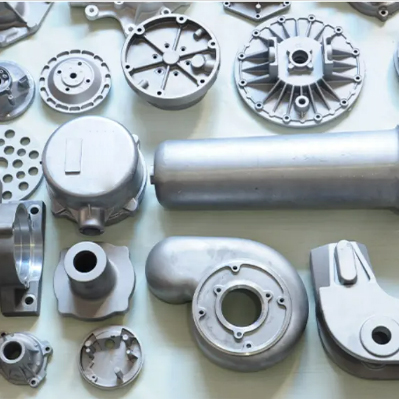
Demand dynamics are another vital aspect of the stainless steel market. The construction industry has seen a robust recovery post-pandemic, leading to increased demand for stainless steel in infrastructure projects. Similarly, the energy sector, focusing on renewable energy initiatives, is driving an uptick in demand for durable and corrosion-resistant materials. This growing demand translates into higher prices, particularly for high-grade stainless steel.
The economic environment also plays a significant role. Inflationary pressures around the globe have increased production costs, from energy prices to labor costs. As manufacturers face higher operational expenses, they often pass these costs onto consumers, further influencing market prices. Central banks' monetary policies regarding interest rates and inflation control can also affect how industries forecast and commit to purchasing materials like stainless steel.
Looking forward, experts suggest that prices will remain volatile due to ongoing supply chain uncertainties and fluctuating raw material costs. Industry analysts advise that stakeholders stay informed about market trends and geopolitical developments that can impact pricing structures. Additionally, the push towards sustainability and recycling is likely to reshape the stainless steel market, as producers focus on environmentally friendly practices and materials.
In conclusion, the price of stainless steel is a complex interplay of various factors, including raw material costs, supply chain dynamics, demand from key industries, and broader economic trends. For businesses and consumers engaged in the stainless steel market, staying informed and adaptable is essential to navigate the price volatility and ensure that they make informed decisions. As companies pivot towards more sustainable practices, the future of stainless steel pricing will likely reflect these shifts, paving the way for a more resilient industry. Understanding these trends will be critical for those involved in the stainless steel sector, as the market continues to evolve.
-
Precision Valve Castings for Agricultural Irrigation and Fluid Control SystemsNewsMay.08,2026
-
Precision Impeller and Compressor Components for Agricultural MachineryNewsMay.08,2026
-
Essential Cast Components for Agricultural Machinery: Oil Management and Motor ProtectionNewsMay.08,2026
-
High-Performance Cast Components for Agricultural Machinery: From Cooling to Exhaust SystemsNewsMay.08,2026
-
Agricultural Valve Castings: Durable Flow Control Solutions for Farm Irrigation SystemsNewsMay.08,2026
-
High-Performance Agricultural Pump Components: Precision Castings for Reliable Farm OperationsNewsMay.08,2026