English

Mobile:+86-311-808-126-83
Email:info@ydcastings.com
English
silicone for metal casting
The Role of Silicone in Metal Casting
Metal casting is a pivotal technique in manufacturing that involves pouring molten metal into a mold to achieve a desired shape. Over the years, various materials have been utilized for creating molds, with silicone emerging as a popular choice due to its unique properties and versatility. This article explores the benefits, applications, and considerations of using silicone for metal casting.
Understanding Silicone
Silicone is a synthetic polymer made up of silicon, oxygen, carbon, and hydrogen. It is known for its flexibility, heat resistance, durability, and ability to resist degradation from environmental factors. These properties make silicone an ideal candidate for creating molds used in metal casting.
Benefits of Silicone Molds
1. Thermal Stability One of the most significant advantages of using silicone in metal casting is its remarkable thermal stability. Silicone molds can withstand extreme temperatures, typically between -60°C to 260°C (-76°F to 500°F), making them suitable for casting various metals, including aluminum, bronze, and copper.
2. Flexibility and Release Properties Silicone has excellent flexibility, allowing for easy demolding of cast parts. This is critical in ensuring that detailed and intricate designs can be cast without damaging the mold or the finished product. The inherent release properties of silicone also reduce the need for additional coating agents, simplifying the casting process.
3. Precision and Detail Silicone molds can capture fine details with high accuracy, making them ideal for intricate designs and patterns. When casting metals, especially in artistic or industrial applications, the precision of the mold directly affects the quality of the final product.
4. Low Shrinkage Unlike some traditional mold materials, silicone exhibits minimal shrinkage during the curing process. This means that the dimensions of the cast metal part are less likely to deviate from the original design, ensuring that the final product meets specifications.
Applications of Silicone Molds in Metal Casting
silicone for metal casting
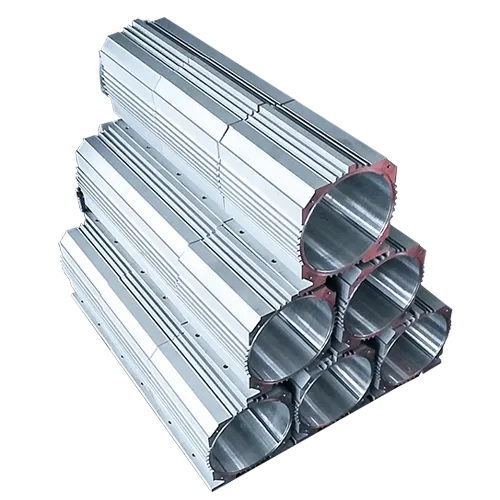
Silicone molds are utilized across various industries, including art, automotive, aerospace, and jewelry making.
- Art and Sculpture Artists often use silicone molds to create metal sculptures. The ability to reproduce intricate details allows for fidelity to the original design.
- Automotive Parts In the automotive industry, silicone molds can produce components like brackets, housing, and engine parts. The flexibility and durability of silicone molds lead to improved production efficiency and lower costs.
- Jewelry Making Jewelry designers can create intricate pieces with silicone molds, allowing for high-quality reproductions of the original designs in metals.
Considerations When Using Silicone for Metal Casting
While silicone offers numerous advantages, there are considerations that manufacturers need to keep in mind. The curing time and the environment in which casting occurs can influence the performance of silicone molds. Additionally, the choice of silicone grade plays a crucial role; higher-grade silicones may offer better thermal resistance but at a higher cost.
Furthermore, while silicone molds are excellent for small to medium production runs, they may not always be the best choice for large-scale manufacturing due to their higher initial costs compared to traditional mold materials.
Conclusion
Silicone has carved a niche for itself in the metal casting industry due to its unique properties that facilitate precision and efficiency. Its flexibility, thermal stability, and ability to capture intricate details make it a preferred choice for artists and manufacturers alike. As technology advances and new formulations of silicone are developed, its application in metal casting is likely to expand, continuing to influence the future of mold-making and production methods in various industries. Whether for artisanal crafts or industrial applications, silicone molds represent a remarkable blend of innovation and practicality in the world of metal casting.
-
Precision Valve Castings for Agricultural Irrigation and Fluid Control SystemsNewsMay.08,2026
-
Precision Impeller and Compressor Components for Agricultural MachineryNewsMay.08,2026
-
Essential Cast Components for Agricultural Machinery: Oil Management and Motor ProtectionNewsMay.08,2026
-
High-Performance Cast Components for Agricultural Machinery: From Cooling to Exhaust SystemsNewsMay.08,2026
-
Agricultural Valve Castings: Durable Flow Control Solutions for Farm Irrigation SystemsNewsMay.08,2026
-
High-Performance Agricultural Pump Components: Precision Castings for Reliable Farm OperationsNewsMay.08,2026