English

Mobile:+86-311-808-126-83
Email:info@ydcastings.com
English
semi closed impeller
Understanding Semi-Closed Impellers Design, Functionality, and Applications
In the field of fluid mechanics and pump design, impellers play a critical role in determining the efficiency and performance of pumps. Among various types of impellers, the semi-closed impeller has gained significant attention due to its unique design features and versatile applications. This article will explore the structure, functionality, advantages, and applications of semi-closed impellers, offering insights into why they are a preferred choice in many industrial scenarios.
The Structure of Semi-Closed Impellers
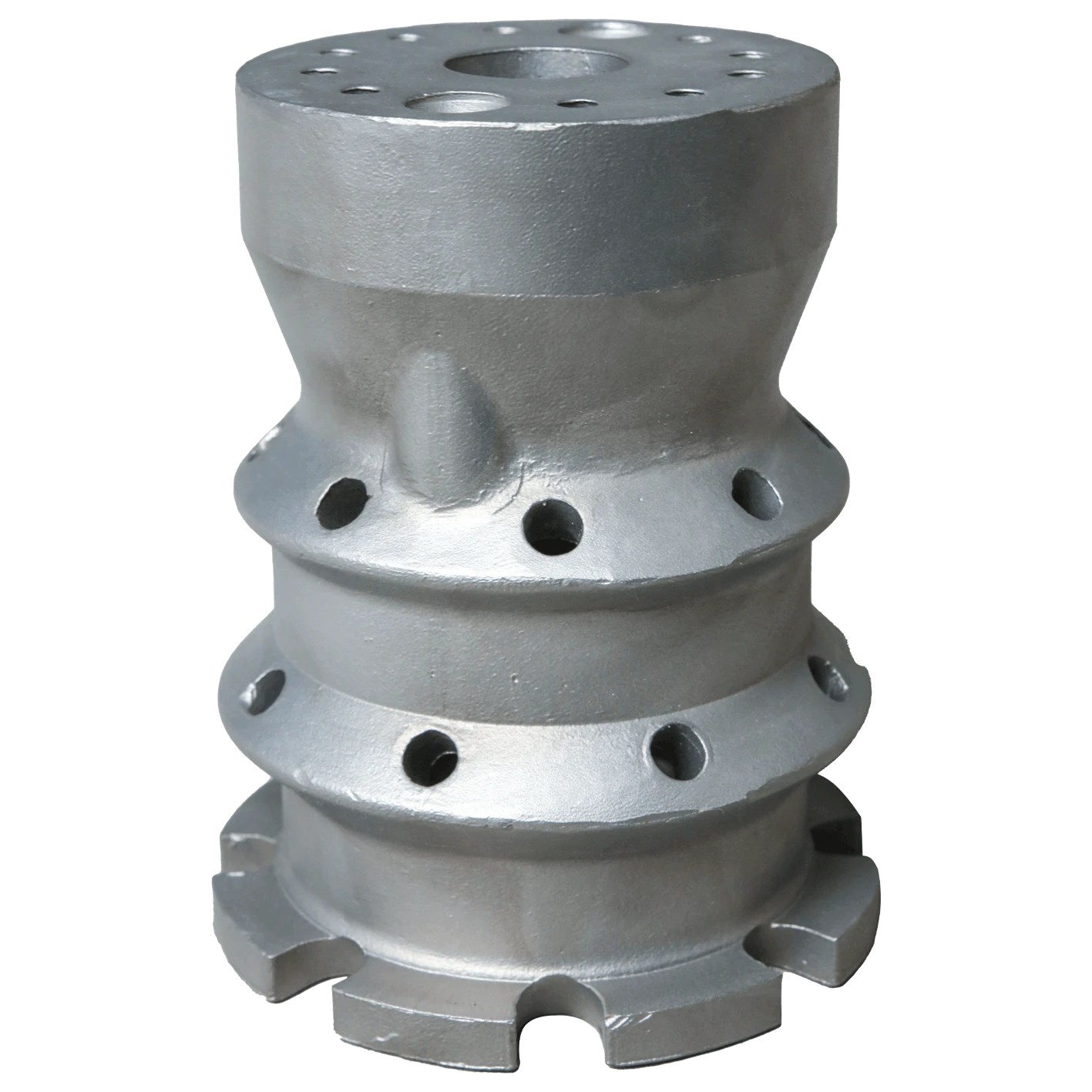
Semi-closed impellers, as the name suggests, are characterized by their partially enclosed design. They typically consist of a central hub and blades that are partially covered by a shroud. This design contrasts with open impellers, which have no shroud, and closed impellers, which are completely enclosed. The blades in semi-closed impellers are usually curved, allowing for the efficient transfer of energy from the motor to the fluid being pumped.
The semi-closed design strikes a balance between the open and closed types, providing enhanced performance while minimizing some of the disadvantages associated with the fully enclosed designs. The shroud offers structural stability to the blades and helps in controlling the fluid flow, while the open sides allow for debris to pass through without causing clogging, making these impellers particularly effective in handling challenging fluids.
Functionality of Semi-Closed Impellers
The functionality of a semi-closed impeller revolves around its ability to efficiently transfer mechanical energy to the fluid. When the impeller rotates, the blades impart kinetic energy to the fluid, causing it to move outward from the center toward the periphery. The semi-closed design enhances this process by reducing the risk of cavitation, which occurs when there is a drop in pressure that leads to the formation of vapor bubbles.
Additionally, the shape of the blades helps to manage the behavior of the fluid more effectively, allowing for higher flow rates with less turbulence. This attribute is particularly beneficial in applications where fluid dynamics are critical, as it maximizes the energy transfer efficiency and reduces wear on the impeller.
semi closed impeller
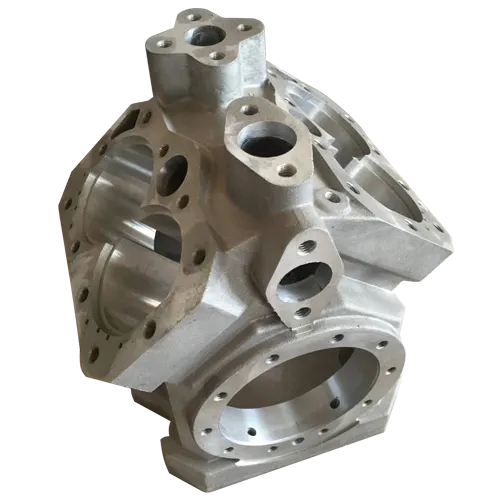
Advantages of Semi-Closed Impellers
One of the main advantages of semi-closed impellers is their versatility. They are designed to handle a variety of fluids, including those with solid particles, making them suitable for various industries such as wastewater treatment, agriculture, and mining. The ability to handle slurries and fluids with suspended solids without clogging is a significant benefit over fully closed impellers.
Moreover, semi-closed impellers generally exhibit a higher efficiency than open impellers. This efficiency translates into lower energy consumption, which is crucial for reducing operational costs and enhancing sustainability in industrial operations. Additionally, their robust construction allows them to withstand higher pressures, extending their lifespan and reducing the frequency of maintenance.
Applications of Semi-Closed Impellers
The applications of semi-closed impellers are vast and varied. In wastewater treatment plants, for instance, they are commonly used in submersible pumps due to their ability to manage solids and other debris effectively. In the agricultural sector, semi-closed impellers are employed in irrigation systems, where they help in moving water efficiently through extensive networks.
In the mining industry, the robustness of semi-closed impellers makes them ideal for slurry pumps that transport materials mixed with water. Their ability to handle abrasive materials without significant wear ensures that they remain durable in harsh conditions.
Conclusion
In summary, semi-closed impellers are a crucial component in various pumping systems, striking a balance between the advantages of open and closed designs. Their robust construction, efficiency in transferring energy, and versatility in handling different types of fluids make them an invaluable asset across multiple industries. As fluid dynamics continue to evolve, the semi-closed impeller will likely remain at the forefront of pump design, providing reliable solutions for complex pumping challenges. By understanding their design and functionality, engineers and industry professionals can make informed decisions to enhance the efficiency of their fluid transport systems.
-
Advanced Manufacturing Technologies in Modern Industrial ProductionNewsMay.22,2026
-
Engine Oil Management Tools: Essential Solutions for Clean and Efficient Automotive MaintenanceNewsMay.22,2026
-
Car Water Pump Systems: Efficiency, Cleaning Applications, and Market OverviewNewsMay.22,2026
-
Industrial Valve Castings and Flow Control Solutions in Modern EngineeringNewsMay.22,2026
-
Aluminum End Caps and Compression Solutions: A Complete Guide for Modern ApplicationsNewsMay.22,2026
-
Precision Valve Castings for Agricultural Irrigation and Fluid Control SystemsNewsMay.08,2026