English

Mobile:+86-311-8081-2683
Email:info@ydcastings.com
English
Techniques and Innovations in Sand Mould Casting for Efficient Metal Production
Sand Mould Casting An Overview
Sand mould casting is one of the oldest and most widely used metal casting processes, offering great versatility and cost-effectiveness for producing metal parts. This method involves forming a mold out of sand, into which molten metal is poured to create intricate shapes and designs. Its popularity can be attributed to several factors, including the availability of materials, ease of use, and the ability to produce complex geometries.
The Sand Mould Casting Process
The sand mould casting process begins with the preparation of the sand mixture. The primary ingredients include silica sand, clay, and water. The clay acts as a binder, helping the sand grains stick together, while the water provides the necessary moisture to prepare the mix. The mixture is compacted around a pattern, which represents the shape of the final product.
Once the sand is shaped into a mold, the next step involves removing the pattern to create a cavity. This cavity will eventually hold the molten metal. The mold is typically composed of two halves, known as the cope (top half) and the drag (bottom half), which are joined securely to prevent any leakage of metal during pouring.
After the mold halves are prepared, they are secured together, and any necessary gating systems—or passages for the molten metal—are added. The metal alloy intended for casting is then heated to its melting point and poured into the mold. Depending on the size and complexity of the casting, the cooling process can take several hours. Once cooled, the mold is broken apart, and the finished casting is removed for further processing.
Advantages of Sand Mould Casting
One of the main advantages of sand mould casting is its flexibility
. It can accommodate a wide range of metal types and allow for both ferrous and non-ferrous materials. Common metals cast using this method include aluminum, iron, steel, and bronze, making it suitable for various industries, from automotive to aerospace.sand mould casting
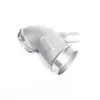
Another benefit is the ability to create complex geometries. The sand mould can be formed into intricate shapes, enabling manufacturers to produce detailed designs that would be challenging to achieve with other manufacturing processes.
Additionally, sand mould casting is relatively cost-effective, particularly for low to medium production volumes. The sand can often be reused multiple times, reducing material costs and minimizing waste. This feature makes sand casting an attractive option for businesses looking to balance quality with affordability.
Challenges and Solutions
Despite its many advantages, sand mould casting does have its challenges. One major concern is the potential for defects in the castings, such as sand inclusions or gas porosity. These imperfections can impact the integrity and performance of the final product. To mitigate these issues, manufacturers often utilize advanced techniques such as improved mold designs, better control of pouring temperatures, and the use of additives to enhance sand properties.
Another challenge is the labor-intensive nature of the process, particularly for small-scale operations. Automation and the introduction of modern technologies, such as 3D printing for sand molds, are helping to alleviate these issues by streamlining production and improving accuracy.
Conclusion
In conclusion, sand mould casting remains a foundational technique in the field of manufacturing. Its ability to produce complex shapes from a variety of materials, combined with its cost-effectiveness, ensures its continued use across many industries. As technology evolves, so too will the techniques associated with sand casting, making it an enduring and adaptable choice for metal fabrication. Whether for small-scale projects or larger industrial applications, sand mould casting is likely to remain a staple in the manufacturing landscape for years to come.
-
Choosing an Engine Storage Crate Cover for Material and EnvironmentNewsNov.23,2026
-
Cylinder Head Chamber Buyers: Check the Casting Specification FirstNewsNov.17,2026
-
How Impeller Casting Manufacturers Match Material, Process and EquipmentNewsNov.15,2026
-
Valve body vs. intake air chamber: Which casting fits your assembly?NewsNov.02,2026
-
Air Intake Chamber FAQ: Specifications, Ordering and Support QuestionsNewsOct.28,2026
-
Motorcycle Accessories FAQ: Specifications, Ordering and Support QuestionsNewsOct.24,2026










